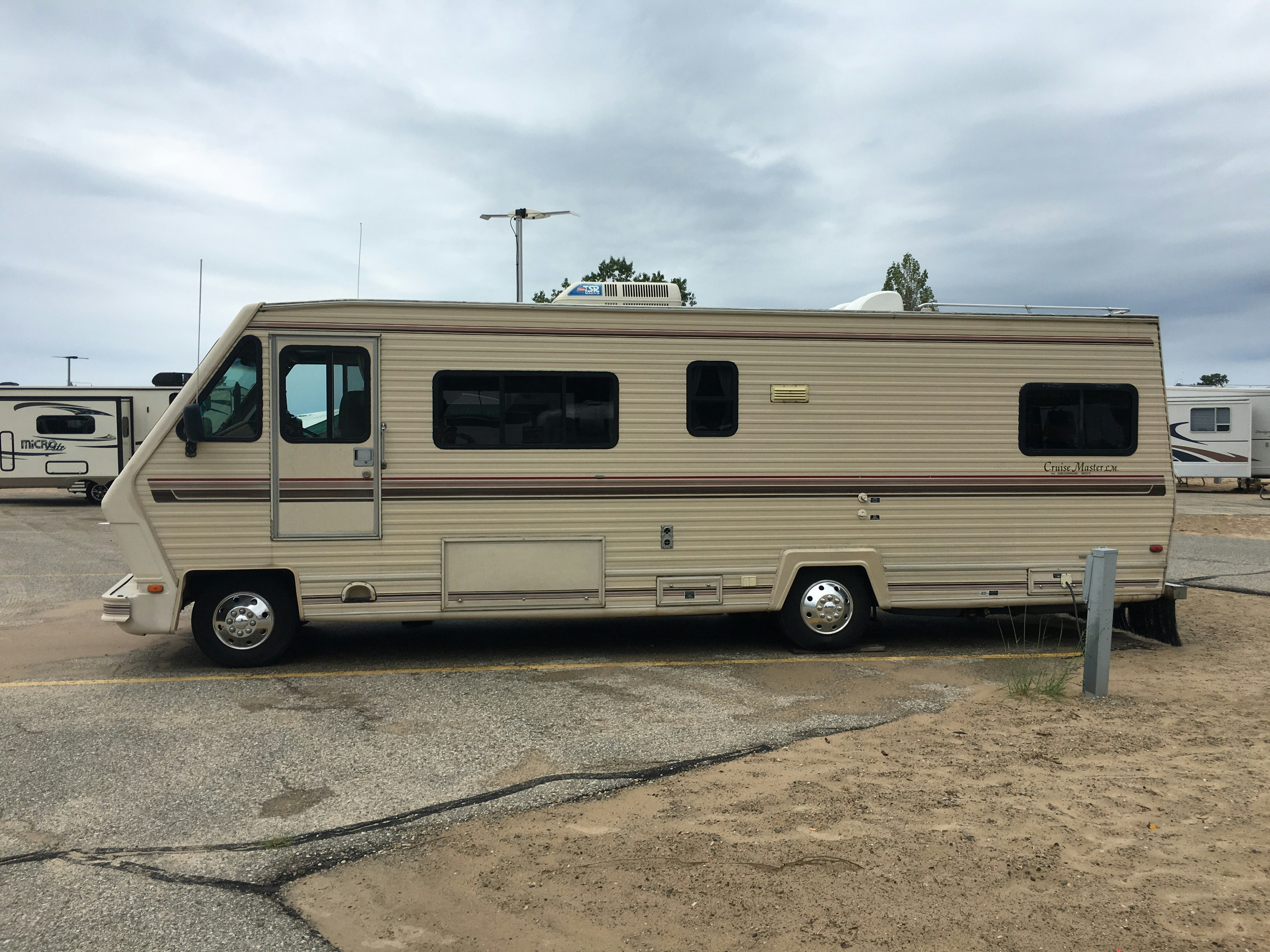
Introduction to RVing
Recreational Vehicle (RV) travel, commonly referred to as RVing, has gained significant popularity among adventurers and travel enthusiasts seeking the freedom to explore the great outdoors. This mode of travel provides unparalleled flexibility, allowing individuals and families to roam freely across diverse landscapes while enjoying comfortable accommodations on wheels. RVing is about more than just transportation; it is a lifestyle choice that fosters a deep connection with nature and the thrill of adventure.
One of the primary benefits of RVing is the flexibility it offers. With an RV, there is no need for meticulous planning around hotel bookings or strict itineraries. Travelers can easily adjust their plans in response to changing circumstances, whether it’s a spontaneous detour to a breathtaking national park or an extended stay somewhere particularly enjoyable. This adaptability is one of the many reasons why RVing appeals to adventure-seekers and families alike.
Furthermore, the joy of camping is significantly enhanced when experienced in an RV. Unlike traditional camping which may involve pitching tents and sleeping on the ground, RVs provide a homelike atmosphere complete with amenities such as comfortable beds, kitchens, and bathrooms. This allows travelers to experience nature without sacrificing comfort. As RVing often places travelers amid stunning landscapes, individuals and families can enjoy outdoor activities, from hiking and fishing to stargazing, all while having a cozy place to retreat to at the end of the day.
Given these advantages, choosing the right RV becomes crucial for ensuring a fulfilling RVing experience. Selecting a vehicle that fits personal needs, budget, and style can greatly impact the enjoyment of the journey. By understanding the essence of RVing and its numerous benefits, prospective RV owners can make informed decisions that will enhance their adventures on the road.
Types of RVs and Their Features
When embarking on the journey of selecting your first RV, it is essential to familiarize yourself with the various types available on the market, as each has its unique features, benefits, and drawbacks. The most prominent categories include motorhomes, travel trailers, fifth-wheelers, and camper vans.
Motorhomes are self-contained vehicles that offer a complete living space. They come in three classes: Class A, Class B, and Class C. Class A motorhomes are the largest and most luxurious, typically featuring extensive living areas, multiple slides, and high-end amenities. Class B motorhomes, often referred to as camper vans, are compact, easy to drive, and ideal for urban living. Class C motorhomes fall in between, providing ample space while maintaining ease of maneuverability.
Travel trailers are another popular choice for beginners. These towable RVs attach to a vehicle and come in various sizes. They are often more affordable than motorhomes and allow for flexibility, as the tow vehicle can be used separately once the trailer is set up. However, towing does require a compatible vehicle and a learning curve for novice RVers.
Fifth-wheelers are a subcategory of travel trailers that require a pickup truck for towing. Recognized for their spaciousness and superior stability, they provide a higher ceiling and often offer bunkhouse options, making them suitable for families. However, the need for a suitable tow vehicle can be a hurdle for some aspiring RV owners.
Finally, camper vans offer a compact solution for those seeking both mobility and convenience. These vehicles often come fully equipped with basic amenities and are perfect for short trips or spontaneous adventures. Their size facilitates parking and maneuvering in urban environments, but they may lack the space and facilities found in larger RVs.
Ultimately, the choice of RV type depends on personal preferences, lifestyle, and intended usage. Considering factors such as space requirements, ease of towing, and budget is crucial as you navigate this decision-making process.
Your RV Needs Assessment
When embarking on the journey of selecting your first recreational vehicle (RV), it is essential to conduct a thorough needs assessment. This process will help you make informed decisions that align with your travel preferences and lifestyle. The initial step in this assessment is to determine the typical number of passengers you will be traveling with. Will you be embarking on solo excursions, family trips, or journeys with friends? Understanding this factor will guide you in choosing the appropriate size and layout of the RV.
Next, consider the types of trips you plan to take. For instance, are you looking for a weekend getaway, cross-country road trips, or extended vacations? Different trips may require varying amenities and features, such as kitchen facilities, sleeping arrangements, and entertainment options. Assessing your travel style will also prompt you to think about additional factors like off-road capabilities if you plan to explore remote locations or specific destinations that may necessitate certain vehicle characteristics.
Finally, establish a clear budget for both the purchase and ongoing maintenance of your RV. The initial cost of the RV is only the beginning; prospective owners should factor in insurance, storage, fuel, and maintenance expenses. Doing so will not only help to ensure that you choose the right RV but will also safeguard against financial regret. Evaluating these factors beforehand will put you in a better position to identify an RV that meets your needs while also fitting within your financial parameters.
By holistically assessing your travel party size, trip types, and financial limits, you will be well on your way to finding an RV that complements your lifestyle and enhances your adventures.
Understanding the Costs of RV Ownership
When considering the purchase of a recreational vehicle (RV), establishing a realistic budget is crucial for a satisfying ownership experience. It is essential to look beyond the initial purchase price of the RV itself. Numerous ancillary costs contribute significantly to RV ownership that beginners often overlook.
The most significant ongoing expense is typically the cost of insurance. RV insurance rates can vary considerably based on various factors such as the vehicle’s size, value, and your driving history. It is advisable to shop around for quotes from multiple providers, ensuring you understand the coverage options available and selecting a policy that aligns with your usage patterns.
Another vital component of your budget should include maintenance costs. Regular maintenance helps ensure the longevity of your RV and can prevent costly repairs down the line. This can range from seasonal check-ups to unexpected repairs that may arise. Set aside funds for routine maintenance and unforeseen issues alike; a budget of about 10-15% of the RV’s value is a prudent practice.
Fuel expenditure is another critical consideration. The type of RV you choose will largely influence this aspect. Larger motorhomes tend to consume more fuel than smaller trailers, which can lead to variable costs during travel. Planning your trips and estimating fuel consumption based on miles traveled will help you gauge your overall fuel expenses accurately.
Additionally, consider budgeting for necessary upgrades. These may include essentials like GPS systems, upgraded battery systems, or additional safety equipment. Each of these additions can enhance the overall experience, yet they can also add to the initial outlay. Finally, exploring financing options can help spread the costs over time, making ownership more manageable without placing undue financial strain.
Researching and Comparing RV Models
When considering the purchase of your first recreational vehicle (RV), thorough research is essential to make an informed decision. Start by identifying the type of RV that best fits your needs, whether it be a travel trailer, fifth-wheel, motorhome, or camper van. Each category has unique features and potential drawbacks, so understanding these distinctions will aid your decision process.
One of the best resources for gathering information is online platforms dedicated to RV enthusiasts. Websites such as RV Insider and RV Reviews allow potential buyers to compare different models based on user experiences and ratings. Additionally, forums and social media groups focused on RVing can provide insights and firsthand accounts from current owners who can share their advantages and disadvantages.
Online reviews play a crucial role in understanding the reliability and performance of various RV models. While individual experiences may vary, aggregated reviews can provide a clearer picture of the overall quality and customer satisfaction. When reading reviews, pay attention to common themes regarding maintenance costs, ease of driving, and interior comfort, as these factors can significantly impact your RV experience.
Another valuable method of researching RV models is visiting local dealerships or RV shows. These events offer potential buyers the opportunity to explore multiple models in person, allowing for a tactile assessment of design, space, and features. During your visit, take the time to speak with sales representatives who can answer specific questions and provide additional information about the models that interest you.
In conclusion, the combination of online research, user reviews, and hands-on experience at dealerships or RV shows can ensure that you make an informed choice when selecting your first RV. This systematic approach will help you avoid buyer’s regret and enhance your overall RVing experience.
Test Driving and Inspections
When considering your first recreational vehicle (RV), gaining hands-on experience through test driving is essential. This not only gives you a feel for how the vehicle handles but also offers insight into its compatibility with your lifestyle. During the test drive, pay careful attention to the engine’s performance, braking responsiveness, and steering fluidity. Often, the experience on the road can uncover aspects that might not be evident during the inspection alone.
Additionally, assessing the comfort of the RV is equally important. Examine the interior layout by sitting inside while the vehicle is parked. Ensure that the seating arrangements, sleeping areas, and kitchen facilities match your needs and preferences. It is wise to check the storage options available, particularly if you plan on long trips or traveling with multiple passengers. Ample storage can make a significant difference in your overall enjoyment and organization during travels.
During the inspection, visually inspect the exterior for any signs of damage such as dents or rust, which could indicate underlying issues. Likewise, checking the condition of the tires is crucial; look for even wear and adequate tread depth. Inside, test the appliances, water systems, and electrical outlets to ensure everything operates smoothly. Any discrepancies found during this process can either sway you towards or away from that particular RV, so it is vital to remain thorough and take notes.
Ultimately, an effective test drive paired with a comprehensive inspection considerably enhances your chances of choosing the right RV for your needs. Allocate ample time for both processes to make a well-informed decision, ensuring that your first RV experience is enjoyable and free of regrets.
Understanding RV Maintenance
Maintaining your recreational vehicle (RV) is critical to ensure its longevity and optimal performance. Regular RV maintenance not only prevents serious mechanical issues but also enhances your overall experience on the road. By incorporating a consistent maintenance routine, owners can easily identify problems before they escalate into costly repairs. This proactive approach serves as an essential aspect of RV ownership.
Key maintenance tasks include checking fluid levels such as engine oil, transmission fluid, brake fluid, and coolant; inspecting tire pressure and tread condition; and testing the electrical systems, including batteries and lights. Additionally, inspecting the plumbing system, seals, and roof condition can prevent water leaks that may lead to extensive damage. A seasonal checklist can greatly help RV owners keep track of these essential tasks and remind them when each task is due.
It’s also vital to schedule regular service appointments with professionals familiar with RV-specific issues. Finding reliable mechanics or service centers that prioritize RV maintenance can be challenging, but it is crucial for peace of mind. To identify trustworthy service centers, consider seeking recommendations from fellow RV owners, checking online reviews, and verifying certifications relevant to RV maintenance. Understanding the importance of regular upkeep can significantly affect an RV’s performance and dependability.
Ultimately, a well-maintained RV provides an enjoyable and safe environment for your journeys. By committing to regular maintenance and consulting reliable service professionals, you can foster a sense of confidence as you embark on your adventures, free from worrying about unexpected breakdowns or repairs. Consistent attention to RV maintenance ensures that your vehicle remains a reliable companion on the open road.
Planning Your First Trip
After selecting your first RV, the next step is to embark on the exciting journey of planning your inaugural trip. Choosing a destination is paramount; consider the interests of all travelers. Whether you’re drawn to national parks, serene lakes, or coastal vistas, ensure the destination offers the amenities and activities you desire. Researching various locations in advance can provide clarity on which sites best suit your needs.
Once you have settled on a destination, making reservations at RV parks is advisable. Many campgrounds tend to fill up quickly, especially during peak seasons. Some parks have specific rules regarding RV length, services, and availability of hookups. Booking your spots ahead of time not only guarantees a place to stay but can also provide peace of mind during your travels.
Planning your route is equally critical. Take into account the driving distance, road types, and potential obstacles such as low bridges or winding roads that can pose challenges to larger RVs. Utilize navigation tools designed for RV travel to help plot the best course and identify suitable stops along the way. Incorporating rest breaks and points of interest can enhance the travel experience.
Packing essentials is also an integral part of your preparation. Ensure that you bring all necessary items, such as bedding, kitchen supplies, and personal necessities. It can be helpful to create a checklist tailored to the specific needs of RV living, including outdoor gear and safety equipment. Moreover, familiarizing yourself with the RV’s features before departure, such as operating the stove, bathroom amenities, and electrical systems, can set the tone for a smooth trip.
By thoughtfully planning these aspects, you can significantly enhance the enjoyment and comfort of your first RV adventure, setting the stage for countless memorable trips ahead.
Conclusion and Final Tips
Choosing your first recreational vehicle (RV) can be an exhilarating yet overwhelming experience. By considering essential factors such as size, type, budget, and intended use, you can navigate your selection process more effectively. Throughout this guide, we have discussed the importance of understanding your travel goals and researching different RV models to find one that aligns with your lifestyle needs.
It’s crucial to remember that assessing your needs goes beyond just the vehicle itself. For instance, do you plan on traveling solo, with family, or perhaps with pets? Each scenario will significantly influence the type of RV you should consider. Additionally, weighing the advantages of new versus used models is essential, as it may impact both your budget and maintenance expectations.
To further enrich your RV experience, embrace the community that comes with this lifestyle. Joining RV forums and local groups can provide invaluable advice, support, and camaraderie. Engaging with others who share your interests allows you to learn from their experiences and may offer practical insights into maintaining and enjoying your RV. Many seasoned RVers are eager to share their tips on everything from the best campsites to maintenance protocols.
Lastly, don’t hesitate to take your time in making this decision. An RV is a significant investment, and ensuring it is the right fit will save you from future regrets. Test-driving different models and seeking expert advice can bolster your confidence as you prepare for this exciting venture. Ultimately, the goal is to enhance your travel experiences, create lasting memories, and truly enjoy the journey that lies ahead.