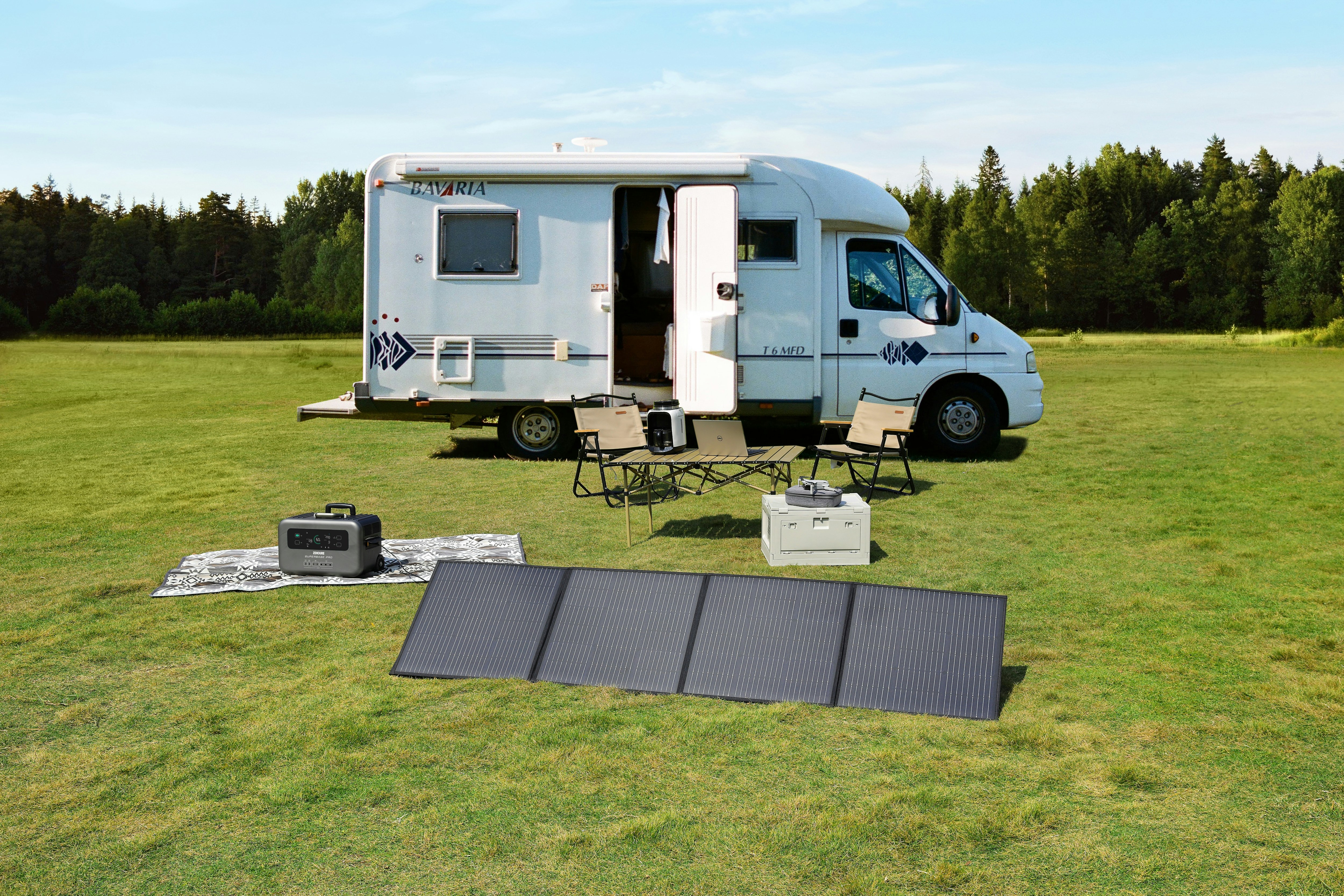
Introduction to RV Boondocking
RV boondocking, often referred to as dry camping or dispersed camping, is a unique form of outdoor adventure where campers set up their recreational vehicles in remote locations without the amenities typically found at campgrounds. This style of camping appeals significantly to family travelers seeking to escape the hustle and bustle of daily life, offering an opportunity to reconnect with nature and each other. The allure of boondocking lies in its promise of adventure, freedom, and the creation of lasting family memories in an idyllic, natural setting.
The essence of off-grid living is deeply rooted in self-sufficiency and a simpler way of life. For families, it embodies the spirit of exploration and the thrill of discovering little-known landscapes while enjoying quality time together. As families venture into less-traveled paths, they engage in an array of activities, from hiking and fishing to stargazing around a campfire, fostering a sense of teamwork and bonding. This shared experience often strengthens familial ties and encourages children to appreciate the great outdoors, enhancing their creativity and resilience.
There has been a notable increase in the number of families opting for boondocking as an alternative to traditional camping. The growing trend can be attributed to several factors, including a desire for authentic experiences in nature, away from crowded campsites, and an inclination to reduce reliance on modern conveniences. Boondocking presents families with the unique chance to experience the beauty of national parks, forests, and secluded beaches—areas often overlooked in favor of conventional camping spots. As more families embrace this outdoor lifestyle, RV boondocking continues to gain popularity, heralding a new wave of adventure-seeking travelers ready to explore the great outdoors together.
Preparing Your RV for Boondocking
Before embarking on an off-grid adventure, it is crucial to adequately prepare your RV for boondocking. This preparation ensures that families have a safe and enjoyable experience while traveling through the great outdoors. Start by conducting a thorough inspection of your RV systems, including water, electricity, and waste management. Ensure that your water tank is full and that your water pump is functioning correctly. It’s wise to check for any leaks in the system to prevent unnecessary water loss.
Next, inspect your electrical system. Ensure your batteries are fully charged and functioning properly, as these will be critical for off-grid living. Consider investing in a solar power system or generator to supplement your power needs. Make sure all appliances and electronic devices are in good working condition, as these will enhance your family’s comfort during the trip.
Waste management is another vital aspect of your preparation. Empty your gray and black tanks and make sure your RV is equipped with essentials like RV-safe toilet chemicals. Families must be mindful of how much waste they generate while boondocking, as disposal can be more challenging compared to conventional campgrounds.
Packing the right supplies is crucial for family boondocking trips. Essentials should include ample food and water, cooking supplies, first-aid kits, and outdoor gear. Family-friendly recreation options such as games, books, and portable entertainment devices can also prove invaluable.
When it comes to configuring your RV for off-grid living, ensure your layout maximizes space and functionality for family activities. Consider adding durable, weather-resistant furniture and organizing storage for quick access. Finally, a checklist for must-have equipment could include:
- Portable solar panels
- Battery bank
- Camping stove
- Water filtration system
- Tool kit
- Comfortable bedding
Taking these measures will help your family enjoy a fulfilling boondocking experience while ensuring safety and comfort throughout the journey.
Choosing the Right Locations for Boondocking
For families considering the adventure of boondocking, selecting the right location is crucial for a successful off-grid experience. The process begins with comprehensive research to identify ideal sites that meet various family needs. One significant factor to consider is safety. It is essential to choose locations that have a low crime rate and are known for being family-friendly. Reading recent reviews and utilizing online resources can provide insights into the safety levels of different areas.
Accessibility is another critical factor when determining suitable boondocking spots. Families traveling with children or elderly members should look for sites that are easy to navigate. Paved roads and nearby amenities can enhance the experience considerably. Many national parks and Bureau of Land Management (BLM) locations offer accessible sites, but confirming road conditions beforehand can prevent any unexpected challenges.
When selecting a boondocking location, the availability of facilities also plays a significant role. Some families may prefer sites with nearby restrooms, picnic tables, or fire pits. Others may opt for total seclusion. Balancing these preferences against your family’s expectations can lead to a more enjoyable stay. Additionally, considering activities in the area is vital. Choices such as hiking trails, fishing spots, or educational opportunities can enrich the family experience while boondocking.
National forests and BLM lands provide numerous off-grid options that welcome families. These areas often have designated boondocking zones that cater to family needs. Utilizing available maps and guides on these lands can help in pinpointing the best spots to park and set up camp. Overall, thorough research combined with careful consideration of safety, accessibility, facilities, and recreational opportunities can contribute significantly to a rewarding boondocking experience for first-time family travelers.
Setting Up Camp: Boondocking Essentials
Setting up a campsite while boondocking requires careful planning and execution, especially for families eager to enjoy the great outdoors. Upon arrival at your chosen location, the first step is to assess the site for its suitability, ensuring ample space for your RV and a safe distance from any potential hazards. Once confirmed, leveling the RV becomes paramount. Many RVs have built-in leveling systems, but families can also employ leveling blocks or ramps. A stable RV not only guarantees comfort while relaxing inside but also protects appliances from damage.
Next, it’s time to connect to off-grid resources. Families should come prepared with fresh water supplies, especially as natural water sources may not always be suitable for consumption. A water filtration system can be a valuable investment, allowing families to make use of local water while ensuring its safety. Additionally, families should consider solar panels or portable generators for energy needs. These options can provide sufficient power for lights, cooking, and devices, ensuring everyone stays connected while enjoying the off-grid experience.
Waste management in boondocking scenarios is essential for maintaining both family hygiene and environmental integrity. Families should use biodegradable products and pack out all trash. Having a designated waste storage area for trash and sewage is crucial; RVs are often equipped with holding tanks, but these need to be regularly monitored and emptied at appropriate disposal sites. Furthermore, setting up a designated dishwashing area away from natural sources minimizes environmental impact while keeping the campsite clean.
Finally, involving children in the setup enhances their appreciation for the outdoors, making the experience enjoyable for all family members. Assigning age-appropriate tasks can promote teamwork and independence, leading to a fulfilling adventure in nature. Overall, efficient setup paves the way for a successful and enjoyable boondocking experience.
Family Activities While Boondocking
Boondocking presents a unique opportunity for families to reconnect with nature and each other, making it an ideal setting for a variety of enriching activities. One primary benefit of this off-grid style of camping is the chance to unplug from technology and immerse oneself in the natural world. Here are several engaging activities that can enhance the family experience while boondocking.
Outdoor exploration is perhaps the most prominent option available. Families can embark on hiking adventures, exploring nearby trails, or simply wandering through the wilderness to appreciate the local flora and fauna. Bird watching is another low-cost and engaging activity, encouraging children to observe and identify different species. Families may also consider organizing a scavenger hunt, which encourages teamwork and critical thinking, all while being physically active.
Another engaging activity is nature-based learning. Families can take advantage of their natural surroundings by learning about the ecosystem they are in. Children can gather leaves, rocks, or flowers to create a nature journal where they document their finds. This not only fosters observation skills but also instills a respect for nature and a curiosity about the environment.
Games such as charades, card games, or storytelling under the stars can also be a source of great entertainment. These activities promote family bonding and are free from the distractions of screens. Evening time can be spent around the campfire, where families can share stories, roast marshmallows, and enjoy each other’s company without modern interruptions.
In summary, boondocking provides an incredible platform for families to engage in outdoor activities, games, and nature-based learning experiences, cultivating a deeper family bond while appreciating the serenity of natural surroundings. The benefits of unplugging from technology and embracing simplicity are profound, enriching the overall experience of RV boondocking for families.
Safety and Emergency Preparedness for Off-Grid Adventures
Boondocking, or camping off-grid in your RV, presents unique challenges and opportunities for adventure. For families venturing into this type of travel, safety and emergency preparedness are critical components that should not be overlooked. Before embarking on any off-grid journey, families should create a comprehensive safety plan that considers the potential risks associated with remote travel.
First and foremost, a well-stocked first-aid kit is an essential item for any off-grid family camping trip. It should contain supplies for treating common injuries, such as cuts, scrapes, and insect bites, as well as more serious conditions that may arise while away from professional medical help. Make sure to regularly check and replenish items that are used, and include emergency numbers for local medical facilities, should the need arise. Additionally, ensure all family members are familiar with how to use the first-aid supplies effectively.
Moreover, understanding and becoming proficient with emergency tools is crucial. Families should invest time in learning how to operate emergency equipment, such as fire extinguishers, flares, and two-way radios, to ensure that they can respond effectively under pressure. Regularly reviewing these skills together as a family can help build confidence and ensure everyone knows their role in case of an emergency.
Maintaining open lines of communication is another significant aspect of safety while boondocking. Ensure that you have reliable communication devices, such as satellite phones or personal locator beacons, especially in areas with poor cell coverage. Prior to your departure, share your travel itinerary with friends or family members to keep them informed about your plans, enhancing your safety further.
Finally, it is essential to involve children in the safety and preparedness process. Teaching them about potential hazards, safe behaviors in the wild, and how to respond to emergency situations will foster a sense of responsibility and awareness. This education can empower young travelers, equipping them with the knowledge they need to contribute to the family’s safety during their off-grid adventures.
Eco-Friendly Boondocking Practices
Boondocking presents an excellent opportunity for families to immerse themselves in nature while minimizing their environmental impact. As off-grid travelers, adopting eco-friendly practices during your adventures can enhance your experience and contribute to the preservation of the natural landscapes you cherish. There are several key aspects families should consider while engaging in sustainable boondocking.
Firstly, conserving water is paramount. Families can implement various strategies to use water judiciously, such as taking shorter showers, reusing water where possible, and utilizing biodegradable soaps. An innovative option includes carrying collapsible water containers, which can be easily filled at designated sources. Educating children about the importance of water conservation can foster an understanding of its value amidst wilderness.
Secondly, managing electricity consumption is crucial in optimizing boondocking adventures. Families can use solar-powered devices and LED lights, which consume significantly less energy than traditional options. Moreover, embracing a conscious approach by switching off power sources when they are not in use can further reduce energy consumption. Involving children in energy-saving practices can instill a lifelong appreciation for sustainable living.
Another essential aspect of eco-friendly boondocking is proper waste disposal. It is vital to respect the wilderness by practicing the “Leave No Trace” principle. This includes packing out all trash, properly disposing of waste, and avoiding damaging plants and wildlife. Educating children about the significance of minimizing ecological footprints while exploring can foster responsible behaviors that extend beyond your trip.
Lastly, instilling an eco-conscious mindset within the family encourages stewardship of the environment. Discussing the local flora and fauna during your travels can ignite curiosity and respect for nature. Engaging in conservation activities, such as clean-up drives, not only benefits the environment but also strengthens the sense of community among fellow boondockers. By adopting and promoting sustainable practices, families can enjoy the beauty of the outdoors while securing its survival for future generations.
Navigating Challenges: Common Boondocking Issues
Boondocking, while an adventurous experience for families seeking an off-grid lifestyle, presents unique challenges that must be navigated with care. One of the primary concerns is the potential for supply shortages. Remote camping locations may not provide immediate access to essential resources, including water, food, and fuel. To mitigate this issue, families should plan their trips meticulously, ensuring they carry ample supplies and extra for unforeseen circumstances. A detailed inventory of items needed, along with a list of nearby towns for resupply, can prove invaluable.
Additionally, weather conditions can significantly impact the boondocking experience. Families might encounter sudden storms, extreme temperatures, or high winds depending on the region. It is vital to monitor weather forecasts before and during the trip. When planning, families should incorporate flexibility into their itinerary, allowing for adjustments based on weather patterns. Having an all-weather camping setup, including tarps and extra blankets, can help ensure safety and comfort.
RV breakdowns are another common challenge when venturing off the beaten path. Problems with the vehicle may arise due to rough terrains or inadequate maintenance. To prepare for potential mechanical issues, families ought to perform pre-trip inspections and carry a basic toolkit. Knowing how to troubleshoot and repair minor problems can save time and prevent frustration. Furthermore, keeping a list of local mechanics or mobile RV repair services known for assisting travelers can provide peace of mind.
In navigating these challenges, flexibility and creativity remain essential. Adapting to circumstances, whether it is changing locations or altering planned activities, allows families to embrace the unexpected joys of boondocking. The experience of roughing it in the wild can bond families closer while providing practical lessons in resilience and resourcefulness.
Conclusion: Embracing the Boondocking Lifestyle
In today’s fast-paced world, embracing the boondocking lifestyle presents a unique opportunity for families to escape the everyday routine and connect with each other in a meaningful way. Boondocking, or camping without established amenities, invites families to venture off the beaten path and immerse themselves in nature’s stunning landscapes. This kind of travel fosters adventure, allowing families to explore beautiful locations that are often less crowded than traditional campsites.
One of the significant benefits of boondocking is the opportunity it provides for family bonding. As families navigate challenges such as setting up camp and adapting to the off-grid environment, they create shared experiences that can strengthen their relationships. Whether it’s cooking meals together under the stars, sharing stories around a campfire, or exploring the great outdoors, these moments forge lasting memories that can be cherished for years to come.
Moreover, boondocking encourages families to develop a deeper appreciation for nature and the environment. By spending time outside of their usual routines, families can learn the importance of conservation and sustainability. Understanding how to live with fewer resources encourages a simpler, more mindful way of life that many find refreshing and rewarding.
As families plan their future trips, the allure of boondocking can lead to invaluable experiences that remain etched in their hearts. Embracing this form of travel not only allows families to discover breathtaking locations but also helps them reconnect with one another in profound ways. So, gather your loved ones, map out your next adventure, and embark on the thrilling journey that is boondocking. The freedom of the open road and the beauty of the wild await those willing to dive into the adventure.