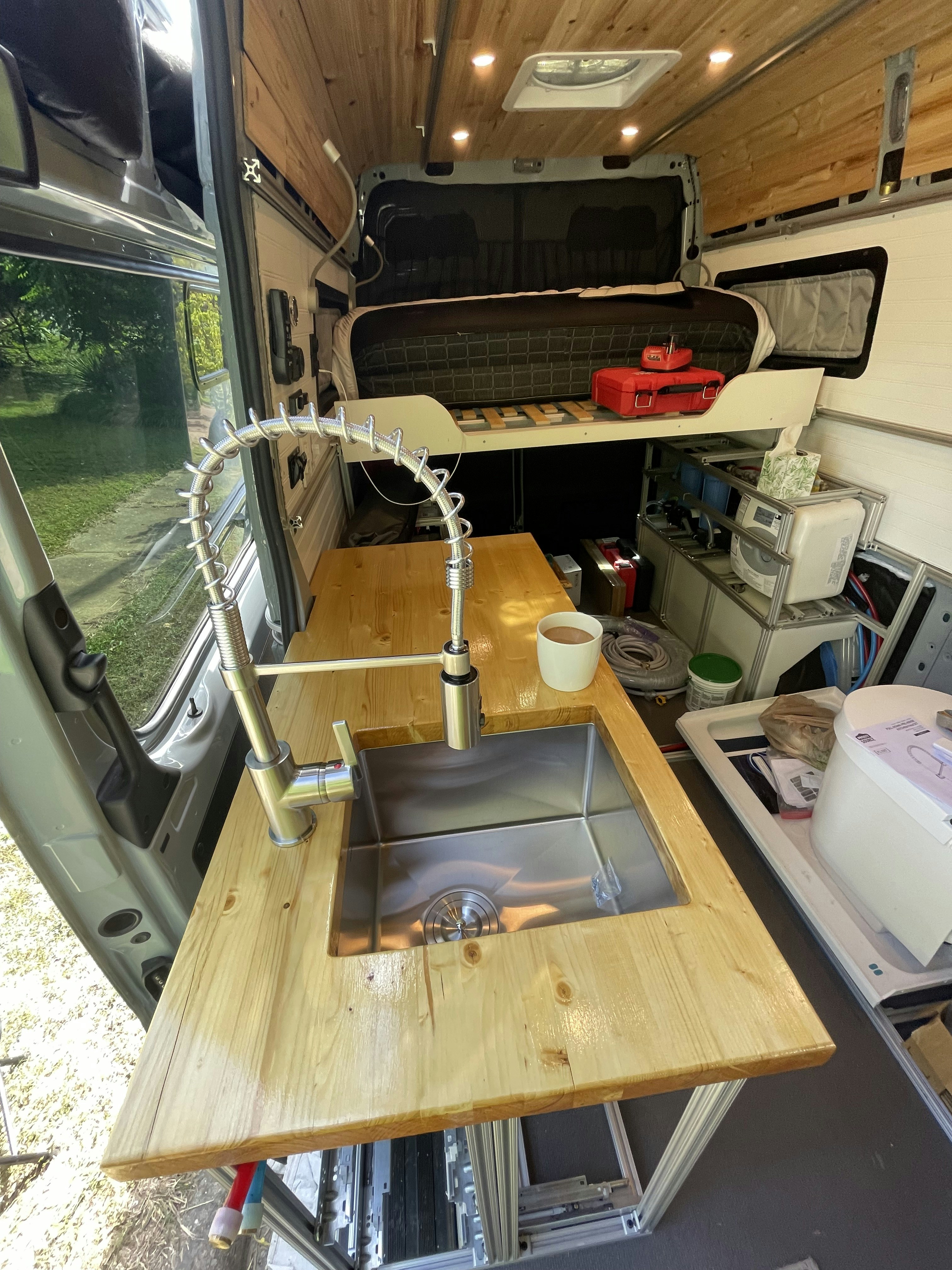
Understanding RV Storage Needs
Efficient storage in recreational vehicles (RVs) is essential due to the typically limited space available. Unlike traditional homes, RVs must balance mobility with functionality, requiring a strategic approach to organization. The compact environment of an RV presents unique challenges, making it imperative for owners to think critically about what they truly need and how to store it effectively.
One of the primary challenges in RV storage lies in the multi-purpose nature of the available space. Items must often serve multiple functions. For example, a bed may need to have built-in storage underneath, allowing for the safe keeping of linens, camping gear, or outdoor necessities. Similarly, seating areas can be fitted with compartments that house tools, emergency supplies, or recreational equipment.
Common items needing storage in an RV include kitchen essentials, personal belongings, outdoor equipment, and maintenance items. Prioritization of these belongings is crucial. Owners should assess the frequency of use and necessity of each item, eliminating non-essentials that can clutter the limited space. For instance, if certain items are only used once a year, storing them in less accessible places or temporarily removing them may be practical.
Employing organizational solutions such as stackable bins, collapsible furniture, and wall-mounted racks can optimize the storage capacity significantly. Making use of vertical space and under-utilized areas can create a more organized living environment while ensuring that essential items are within easy reach. Ultimately, successful RV storage hinges on mindful planning and strategic organization, allowing occupants to make the most of their small space while on the road.
Maximizing Vertical Space
When it comes to RV storage, making the most of your available vertical space is essential. This often-overlooked area can provide significant additional storage, enhancing the organization within the compact confines of an RV. By utilizing walls, overhead areas, and even the back of doors, you can create ample storage options without sacrificing floor space.
One effective strategy is to install wall-mounted racks. These can hold a variety of items, from kitchen utensils to outdoor gear, and keep them accessible yet out of the way. Ensure that racks are securely fastened to the walls to withstand movement while traveling. Additionally, consider the use of shelving units that can be anchored to walls, providing not only space for storage but also creating an organized look. These shelves can be tailored to fit the dimensions of your RV, allowing for a custom solution that meets your specific needs.
Overhead storage solutions, such as cabinets or netting, can also be very effective in maximizing vertical space. Use the area above kitchen counters or seating for additional storage by installing space-saving cupboards, which help keep your items neatly tucked away. Another popular option is hanging organizers. Using hooks or brackets, you can hang various items, like pots, pans, or even recreational equipment, freeing up more floor space.
Another creative approach is the use of pegboards or magnetic strips on walls. These tools can hold tools and frequently used items, allowing for easy access while maintaining order. Additionally, consider repurposing old furniture or using modular storage solutions that can be easily moved or adjusted depending on your needs. By thinking vertically, you can transform your RV into a well-organized space that accommodates your lifestyle efficiently.
Multi-Functional Furniture Solutions
In the context of RV storage optimization, selecting furniture that serves more than one purpose is crucial for maximizing space efficiency. Multi-functional furniture allows RV owners to utilize limited floor area effectively, providing both functionality and aesthetic appeal. One of the most versatile options is a convertible sofa. This piece of furniture can easily transform from a comfortable seating arrangement to a practical bed, making it perfect for accommodating guests without the need for additional sleeping arrangements.
Another excellent choice is beds with built-in storage. These types of beds often feature drawers located underneath or a headboard that doubles as shelving. Such design solutions not only offer a sleeping space but also hide away extra blankets, clothing, or other personal items, thereby ensuring that every inch of space in an RV is utilized wisely.
Collapsible tables represent another practical choice for small spaces. These tables can be expanded when needed and folded down to create more room when not in use, making them ideal for dining or workspace functions that are not always required. Opting for lightweight, durable materials such as aluminum or engineered wood can enhance mobility and ease of use, particularly in a cramped RV setting.
When considering styles, it is beneficial to choose furniture that is compact yet stylish, allowing it to blend seamlessly with the RV’s interior. Light colors can also help create an illusion of a more spacious environment, making the area feel less cramped. Subtle patterns or textures can add visual interest without overcrowding the limited space.
Creative Storage Solutions: Bins and Baskets
When it comes to maximizing the limited space within an RV, employing creative storage solutions such as bins and baskets can play a pivotal role. These containers help keep various items organized, ensuring that everything has its designated place. One of the major advantages of using bins and baskets is their versatility; they come in numerous shapes, sizes, and materials to suit different needs and preferences.
One effective strategy for organizing an RV is to utilize labeled bins. By clearly labeling each container, you can easily identify the contents without the need to rummage through multiple items. This not only saves time but also reduces clutter, allowing for a more serene living environment. Bins in varying sizes can be placed under beds, in closet spaces, or on shelves to maximize available storage without compromising accessibility.
Nesting and stacking are also vital features to consider. Bins designed to nest within one another when not in use can be a great space-saving solution. Likewise, stackable bins allow you to make the most of vertical space, turning otherwise wasted areas into functional storage zones. Positioning these stacked containers in corners or on top of cabinetry can create additional storage while keeping items within easy reach.
Baskets, on the other hand, add a decorative element while serving practical purposes. They can hold everything from seasonal clothing to outdoor gear, blending seamlessly into your RV’s decor. Utilizing open-top baskets placed on shelves or countertops not only provides quick access to frequently used items but also promotes a neat, ordered appearance.
In selecting the appropriate bins and baskets, consider their function and placement carefully. Choosing the right containers will ensure efficient use of space, ultimately enhancing your RV experience. A well-organized RV not only looks pleasing but also makes for a more enjoyable journey.
Organizing Underbelly Storage
One of the most valuable aspects of an RV is the underbelly storage compartments, which provide ample space for various items necessary for your trips. Organizing these storage areas effectively is crucial to utilizing the available space and maintaining order while on the road. To achieve a streamlined organization, consider categorizing items based on their usage frequency and type.
Start by grouping similar items together; for instance, keep all outdoor equipment like chairs, tables, and camping supplies in one section and store maintenance tools and spare parts in another. Using labeled storage bins is an excellent method to enhance accessibility and keep these spaces tidy. Containers can be stacked to maximize vertical space, ensuring that you can fit more items without overwhelming the area. Opt for durable, waterproof containers to protect your belongings from the elements.
Additionally, slide-out trays can significantly improve the functionality of underbelly storage compartments. These trays allow for easy access to items at the back of the compartment without the need to unload everything in front. The simple pull-out design helps in reaching out to items that are usually hard to see or access, making the entire process more efficient.
Regular checks and maintenance are also vital for sustaining an organized underbelly storage system. Schedule periodic inspections to ensure that the compartments are free from debris and that stored items are in good condition. This approach not only prevents disorganization but also prolongs the lifespan of your equipment.
By implementing these strategies, RV owners can benefit from a neat underbelly storage area, which ultimately facilitates a better camping experience. An organized space contributes to stress reduction, allowing for a more enjoyable and hassle-free journey on the road.
The Importance of Zoning Spaces
When it comes to maximizing the utility of a small space such as an RV, zoning becomes a crucial aspect of design and organization. Zoning refers to the practice of assigning specific areas for distinct activities or types of content within a given space. For instance, creating separate areas for cooking supplies and recreational gear can greatly enhance functionality and ease of use.
Establishing these zones not only aids in clutter control but also improves navigation and efficiency within the RV. By clearly defining boundaries, individuals can easily access what they need without unnecessary searching or disruptions. For example, designating a cooking zone with easy-to-reach storage for utensils and food items allows for a streamlined meal preparation process. Similarly, creating a designated area for recreational equipment, such as bikes or camping gear, ensures that these items are stored out of the way but still readily accessible when needed.
To achieve effective zoning, consider using storage solutions such as bins, shelves, and hooks to visually separate different zones. Labeling each area can also serve as a reminder of where specific items belong, reinforcing organizational habits. This systematized approach not only enhances space functionality but also contributes to a more serene and pleasant living environment within the RV.
Furthermore, flexible zoning can adapt to the changing needs of the owner. For instance, during a trip, cooking and dining zones may require more prominent space allocation, while travel may focus more on recreational storage. As such, recognizing and implementing a zoning strategy allows for both immediate and long-term benefits. Ultimately, zoning spaces in an RV is an intelligent method for enhancing the overall organization and efficiency of a limited area, making the most out of every square foot available.
Seasonal Storage Considerations
Properly managing seasonal storage in an RV is crucial for maximizing the available space while ensuring that necessary gear is easily accessible when needed. The transition between seasons often requires careful consideration of what items to store away and what essentials to keep out. For instance, during the winter months, swapping out summer gear such as beach chairs and sun umbrellas for winter-specific equipment like snow gear and warm clothing is a common practice.
A smart method for rotating seasonal items involves organizing your RV storage based on how frequently the items are used throughout the year. It can be beneficial to dedicate specific compartments or storage bins for each season. For example, using labeled bins can streamline the process of moving items in and out as the seasons change. Additionally, consider the climate of your travel destinations: if an area experiences milder winters, you might choose to keep some warm-weather gear accessible.
When deciding which items to store, prioritize based on necessity and frequency of use. Seasonal items that are rarely used can be packed away in long-term storage, while essentials should be kept within reach. This can include tools for emergency repairs or items like extra blankets for colder months. Furthermore, ensure that your storage solutions are adaptable to seasonal use. Use collapsible or multi-purpose storage containers, which can help save space and offer flexibility.
Ultimately, being proactive about organizing seasonal storage can lead to a more efficient use of RV space. It allows for a smoother transition between seasons and provides peace of mind, knowing that the gear you need is readily available when required.
Maintenance and Decluttering Tips
Maintaining a tidy and organized RV is essential for ensuring a comfortable and enjoyable experience on the road. Regular decluttering routines can significantly enhance the utilization of small storage spaces within the vehicle. To begin, it is advisable to establish a schedule for going through your belongings. Commit to a monthly or seasonal review of items stored in your RV, allowing you to assess what is truly necessary and what can be discarded or donated.
Once you have created a routine, it is important to focus on specific areas of the RV that tend to accumulate unnecessary clutter. Start with storage compartments, cabinets, and under-bed areas. Remove all items from these spaces and categorize them. This method not only helps to identify items that are rarely used but also provides an opportunity to clean the storage areas thoroughly.
During the decluttering process, consider adopting the “one in, one out” principle. For every new item brought into the RV, commit to removing an existing one. This approach can drastically reduce excess belongings and help maintain order in your limited space. Additionally, take advantage of vertical storage solutions, such as hooks and shelves, which can make efficient use of vertical space without adding clutter.
Cleaning storage areas also plays a crucial role in organization. Regularly wipe down shelves and compartments to prevent dust accumulation and maintain a fresh ambiance. Furthermore, things like food items in the pantry should be checked periodically for expiration dates, and non-perishable items can be rotated to keep the stock fresh. By applying these maintenance and decluttering tips, RV owners can create a more manageable and enjoyable small living space, enhancing their travel experiences.
Technology Aids for Storage Management
In the age of digitalization, technology plays a vital role in enhancing organization and efficiency, especially when it comes to managing RV storage. Various applications and tools are available that can significantly simplify the process of tracking and organizing your RV inventory. A digital inventory management system allows owners to catalogue and categorize their belongings systematically, enabling quick access to information regarding the contents of their RV.
One useful type of application includes inventory management apps, which can help users keep a detailed listing of items stored within their RV. These apps often offer features that allow users to add descriptions, quantities, and locations of items, making it easier to locate specific equipment or supplies when needed. Furthermore, some applications provide visual aids such as photos, which enhance the clarity of what is stored where.
Additionally, reminder tools can help RV owners keep track of essential items that require restocking before embarking on a trip. By integrating calendar functionalities, these applications can send notifications for items such as food supplies, maintenance tools, or camping gear that need to be replenished. This proactive approach to inventory management ensures you will not miss anything crucial during your travels.
Moreover, cloud-based storage solutions facilitate collaboration among multiple users. Family members or co-travelers can access and update the inventory, ensuring that everyone is informed about the RV’s storage status. This shared approach to RV organization fosters an effective communication channel and mitigates any potential confusion about shared items.
In conclusion, leveraging technology through apps and tools for storage management not only enhances the organization but also ensures that RV owners maximize the utility of their limited space.