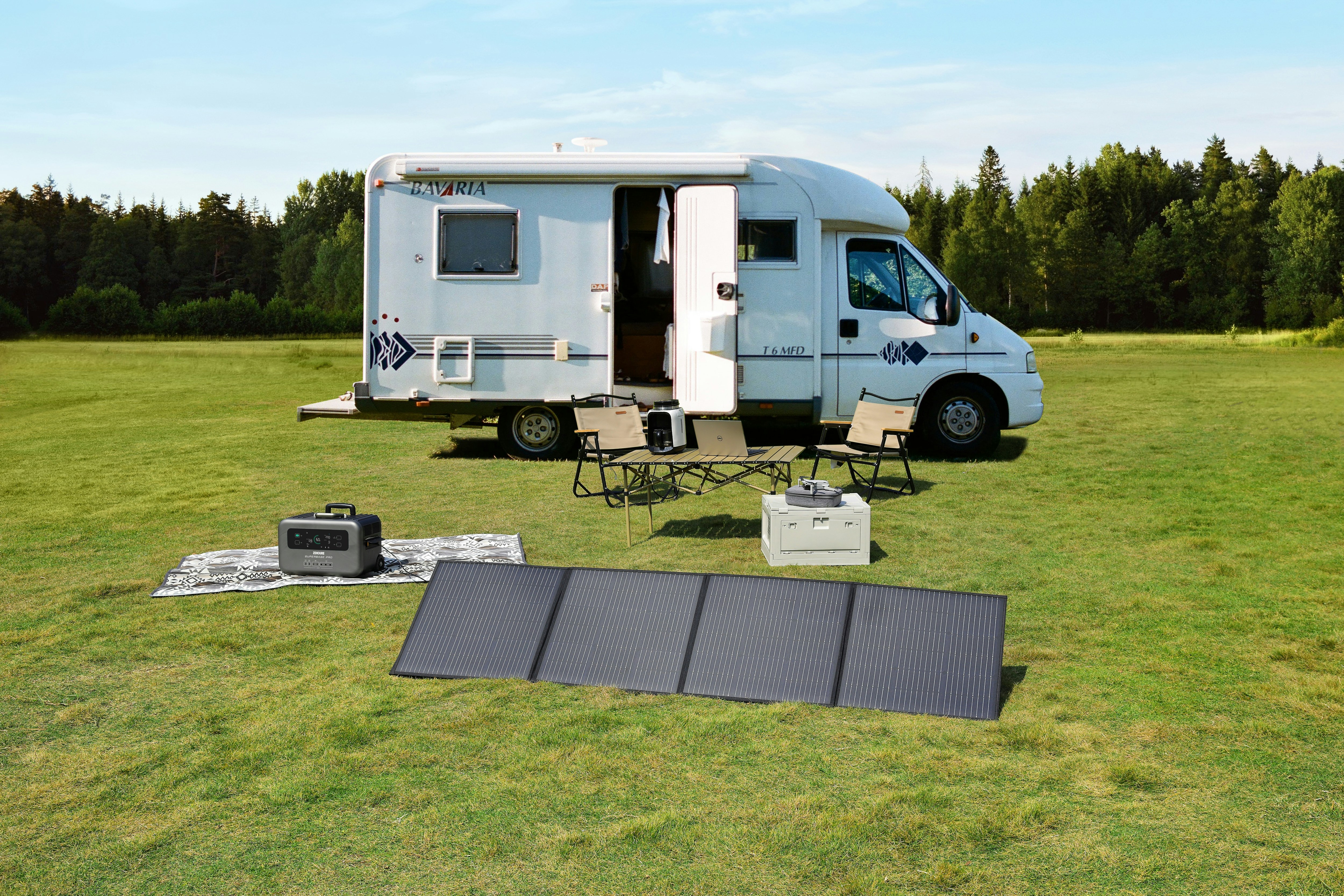
Introduction to Boondocking
Boondocking, often referred to as dry camping or off-grid camping, is a popular option among RV enthusiasts who seek adventure while immersed in nature. This approach involves camping in locations that lack traditional amenities such as electricity, water, and waste disposal services. Unlike established campgrounds, boondocking allows individuals to experience the great outdoors in a more secluded and personal manner.
The appeal of boondocking lies in the opportunity for travelers to explore beautiful, remote areas without the constraints of standardized camping facilities. Many RV enthusiasts are drawn to this style of travel as it encourages a deeper connection with nature and an escape from the hectic pace of modern life. It also allows for greater flexibility and spontaneity, as adventurers can park and enjoy their surroundings wherever they desire, given the proper regulations.
Furthermore, boondocking can present cost-saving advantages. Most boondocking sites are free or very low-cost, freeing up funds that can be used for fuel or exploration. This form of camping promotes a minimalist lifestyle, enabling individuals to rely on their resources and navigate without specific hookups. For those who prioritize sustainability, boondocking often encourages practices that minimize environmental impact, such as conserving water and using solar power.
In essence, boondocking offers RV travelers a unique way to enjoy their journeys while fostering a sense of independence and self-sufficiency. Whether one is an experienced camper or new to the RV lifestyle, the draw of off-grid camping experiences remains a significant part of the recreational vehicle culture.
Benefits of Boondocking
Boondocking, also known as dry camping, offers a plethora of advantages that make it an appealing option for RV enthusiasts. One of the most significant benefits is cost savings. Boondocking allows travelers to camp for free or at minimal cost, as it often takes place on public lands or less developed areas where fees are absent. This can lead to substantial financial savings during long trips, enabling RVers to allocate their budget to other enjoyable experiences.
Another advantage of boondocking is the unique opportunity to connect with nature. Unlike crowded campgrounds filled with other RVers, boondocking often leads you to stunning, remote locations where you can truly immerse yourself in the beauty of the natural world. Whether it’s by a tranquil lake, in the shadow of towering mountains, or among the quiet woods, boondocking allows for a peaceful respite from daily life. This connection with nature fosters a sense of tranquility, providing mental clarity and rejuvenation for those fortunate enough to embrace this style of camping.
Furthermore, boondocking grants the freedom to choose unique locations that may not be accessible through established campgrounds. This flexibility can lead to unexpected adventures and breathtaking views that traditional camping may not offer. From stunning desert vistas to secluded forests, the journey becomes as much about exploration as the destination itself. Lastly, the solitude that comes with boondocking cannot be overstated. Escaping the noise and bustle of crowded campsites, RVers can enjoy moments of introspection, stargazing, and the simple pleasures of quiet surroundings, making every trip a memorable experience.
Essential Preparations for Boondocking
Boondocking, or camping in an RV without readily available amenities, requires careful planning to ensure a safe and enjoyable experience. The first step is to identify suitable locations for boondocking. Many online resources and apps provide information on potential sites, including user reviews and GPS coordinates. Look for areas that allow overnight parking and ensure that they are accessible for your RV size. It is also advisable to familiarize yourself with the local regulations and any permits that may be required for overnight stays.
Preparation of supplies plays a pivotal role in successful boondocking. Food and water are primary considerations; pack enough non-perishable items and ensure you have a reliable water filtration system or enough fresh water to last throughout your stay. Additionally, consider your power sources—solar panels or a generator can provide electricity, while a good supply of batteries can ensure that essential devices remain functional. Always carry extra fuel if you’re relying on a generator, as access to fuel stations can be limited.
Moreover, your RV must be equipped for off-grid living. This includes ensuring that your appliances, plumbing, and electrical systems are in good working order. Carry tools and spare parts for troubleshooting minor issues that may arise. Before heading out, double-check that all systems, such as propane tanks and water systems, are full and functioning properly. A thorough pre-trip inspection of your RV will contribute significantly to a worry-free experience. Additionally, prepare for emergencies by having a first-aid kit, fire extinguishers, and emergency roadside assistance readily available. By following these preparation guidelines, RVers can optimize their boondocking experience and enjoy the freedom that comes with off-grid adventures.
Choosing the Right Location for Boondocking
Selecting an ideal location for boondocking is crucial to ensure a safe and enjoyable RV experience. One of the primary considerations when choosing a spot is access. It is essential to research the terrain and road conditions leading to potential sites. Off-the-beaten-path locations may provide solitude, but they can also pose accessibility challenges. Aim for locations that are not only reachable with your RV but also allow for easy movement once you arrive.
Safety is another critical aspect when evaluating a boondocking location. Prioritize sites that are known for their low crime rates and other safety measures. Reviewing recent visitor comments on forums and travel sites can provide valuable insights into the safety profile of a location. Additionally, observe the surroundings for potential hazards, such as unstable terrain or wildlife risk, to ensure a secure environment.
Proximity to water sources is important, especially during longer stays. Identify locations that are close to lakes, rivers, or natural springs, as having access to fresh water is vital for hydration, cooking, and cleaning. Understanding the local climate can also guide the choice of water sources; for example, dry seasons may impact availability.
Lastly, familiarize yourself with local regulations pertaining to RV parking and camping. Different regions have distinct rules that can impact your stay, such as permitted camping areas, duration of stay, and waste disposal regulations. Consulting the relevant authorities or online resources before embarking on your trip can enhance your experience and ensure compliance with legal requirements.
Staying Safe and Responsible While Boondocking
Boondocking, often referred to as dry camping, offers RV enthusiasts the unique opportunity to connect with nature while enjoying the freedom of the open road. However, it comes with its own set of responsibilities and safety considerations. Understanding how to stay safe and act responsibly is paramount, not only for your own well-being but for fellow campers and the environment.
First and foremost, respecting the environment is crucial. Always follow the “Leave No Trace” principles, which advocate for minimal impact on the natural surroundings. This includes properly disposing of waste, using biodegradable products, and avoiding the damage of flora. When parking your RV, choose established sites to prevent the disruption of wildlife habitats and to minimize your ecological footprint.
Awareness of local wildlife is another important safety precaution. Many boondocking areas are home to various animals, some of which may be dangerous. It is advisable to store food and trash in sealed containers and to maintain a clean campsite to avoid attracting wildlife. Additionally, familiarize yourself with the fauna that inhabit the area; knowing which animals pose a risk can help you stay prepared.
When boondocking, security also becomes a vital concern. Always park in well-populated areas and stay informed about the safety reputation of your chosen location. It is essential to keep your RV locked and valuables hidden, even during brief outings. Establishing a routine check-in with friends or family can provide an additional layer of safety during your trip.
Finally, when sharing the space with fellow campers, practice good etiquette. Respect others’ privacy and space, keep noise to a minimum, and be polite during interactions. These practices contribute to a positive boondocking experience for everyone involved.
Water and Waste Management in Boondocking
Boondocking, or dry camping, presents unique challenges regarding water supply and waste management. Proper planning and techniques can enhance the experience while minimizing environmental impact. Boondockers typically lack access to traditional amenities, which necessitates efficient use of available resources.
To manage water supply effectively, it is crucial to start with a thorough assessment of your water needs. Determine the duration of your stay and calculate the amount of water required for cooking, drinking, cleaning, and hygiene purposes. Carrying additional water containers or utilizing collapsible water jugs can facilitate storage and transport, increasing your overall capacity.
Aside from carrying adequate water, conserving water is vital in maximizing supplies while boondocking. Implement practical strategies such as taking shorter showers, using wet wipes or dry shampoo for personal hygiene, and washing dishes in a basin, rather than under running water. Consider using biodegradable soaps to minimize ecological impact, and be judicious with water use in cleaning and cooking activities.
When it comes to waste disposal, responsible management is equally important. Carry a portable toilet or composting toilet for waste collection, as many boondocking locations do not offer restroom facilities. Some RV owners also utilize black water tanks for this purpose; these tanks should be regularly monitored and emptied at designated waste disposal stations.
Moreover, recycling greywater—the wastewater produced from sinks and showers—can further enhance sustainability while boondocking. High-efficiency fixtures and dual-use systems can allow for water recycling in non-potable applications, such as outdoor cleaning or watering plants, thus minimizing total water usage.
By implementing these strategies for water supply management and waste disposal, RV enthusiasts can enjoy a sustainable and eco-friendly boondocking experience while ensuring they leave no trace in their natural environments.
Electricity Options for Boondocking
When venturing into the world of boondocking with your RV, securing a reliable power source is crucial for a comfortable experience. Several electricity options exist that can cater to different needs and preferences, including solar panels, generators, and battery systems.
Solar panels have become increasingly popular among RV enthusiasts. They harness the sun’s energy to provide a sustainable and quiet electricity source. A typical solar setup includes photovoltaic panels, a charge controller, and a battery bank. One of the main advantages of solar energy is its low maintenance requirements and the lack of emissions. However, it is essential to size the solar system appropriately based on daily power consumption needs and ensure optimal placement for maximum sun exposure.
Alternatively, generators offer a more traditional approach to obtaining power during boondocking trips. They can be powered by gasoline, diesel, or propane, providing a reliable electricity source when solar might not suffice, especially during extended cloudy periods. However, generators can be noisy and may disturb the peace of nature. When using a generator, it’s advisable to choose an inverter-type model, which is quieter and more energy-efficient, making it suitable for sensitive electronics.
Battery systems, particularly lithium-ion batteries, are also essential for energy storage in off-grid situations. These batteries can store excess energy generated from solar panels or be charged via a generator. It is crucial to monitor the battery capacity and avoid deep discharges to prolong their lifespan. Additionally, incorporating energy-efficient appliances can help reduce overall power consumption, allowing for prolonged boondocking adventures without depleting your energy resources.
In summary, understanding and combining various electricity options such as solar panels, generators, and battery systems will enhance your boondocking experience by ensuring you have reliable power while enjoying the serenity of remote locations.
Boondocking Etiquette
Boondocking, or camping in your RV without the luxury of established campgrounds and their amenities, is becoming increasingly popular among outdoor enthusiasts. However, with this freedom comes the necessity for some basic etiquette rules that are generally understood within the community. Adhering to these unwritten rules can enhance your experience and ensure a positive atmosphere for everyone.
One of the primary considerations is maintaining a low noise level. While the great outdoors might inspire a sense of freedom, it is courteous to remember that other boondockers may be seeking solitude or peace. Keeping noise from generators, music, and gatherings to a minimum can greatly improve the quality of the experience for all present. Moreover, it demonstrates respect for the natural environment and the wildlife that inhabits it.
Another key aspect of boondocking etiquette is the importance of keeping your campsite clean. This includes not only packing out what you pack in but also being mindful of waste disposal. Using proper methods for human waste, such as portable toilets or designated areas, is crucial in preserving the pristine nature of these locations. Additionally, ensure that all trash, food remnants, and any other contaminants are properly disposed of to prevent attracting wildlife and disturbing the natural habitat.
Finally, displaying consideration for the surrounding areas is essential. This includes respecting any posted signs, adhering to local guidelines, and being mindful of any potential restrictions or regulations specific to your location. Familiarizing yourself with these norms not only ensures personal safety but also safeguards the integrity of the environment for future boondockers.
Conclusion and Resources for Boondockers
Boondocking offers a unique opportunity for RV enthusiasts to connect with nature and explore less-traveled paths. By embracing the spirit of freedom and self-sufficiency, boondocking allows travelers to experience serene landscapes, star-filled skies, and the satisfaction of living off the grid. This lifestyle not only nurtures adventure but also cultivates a deeper appreciation for the environment.
As you embark on your boondocking journey, it is vital to equip yourself with the right resources and knowledge. Numerous online communities and forums exist where like-minded individuals share their experiences, tips, and advice on the best boondocking spots across North America. Websites such as Campendium and iOverlander are invaluable for locating free campsites and reading reviews from fellow travelers.
In addition to these platforms, there are several essential tools and apps that can enhance your boondocking experience. GPS navigation systems designed for RVs help ensure that you find suitable routes and campgrounds tailored to your vehicle’s dimensions. Moreover, mobile apps like AllTrails provide detailed trail information for hiking surroundings, enabling you to explore the wilderness safely. It’s also wise to have access to weather apps to stay informed about changing conditions while you’re out in the wild.
Lastly, consider investing in a comprehensive RV boondocking guidebook that details regulations, safe practices, and recommended sites. These resources can further enrich your knowledge and preparedness, ensuring that your foray into boondocking is both enjoyable and safe. With careful planning and a spirit of adventure, this remarkable journey can become a memorable chapter in your RV travel experience.