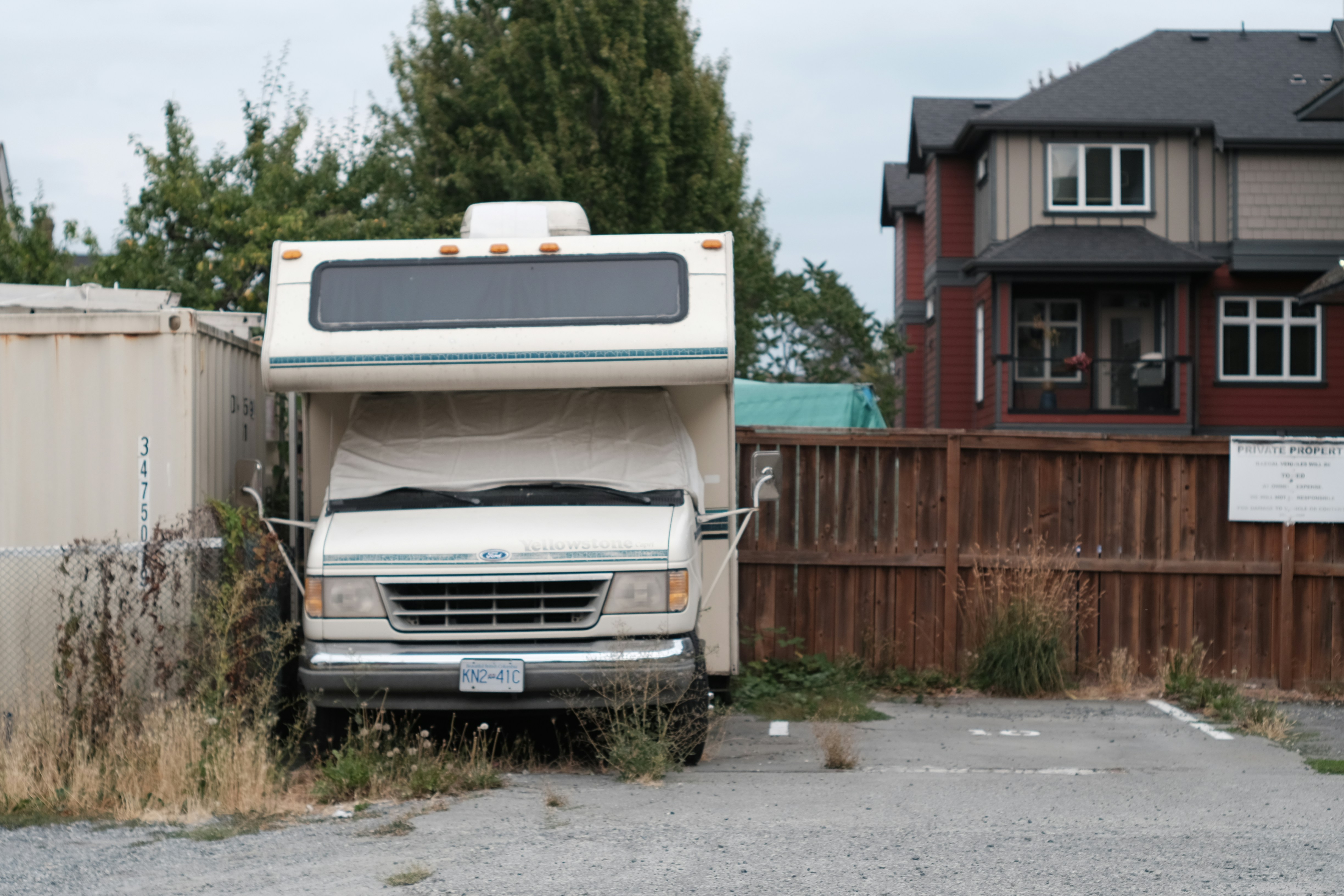
Understanding RV Dimensions and Space Requirements
When it comes to parking your recreational vehicle (RV) in tight spaces, understanding its dimensions is crucial. RV sizes can greatly vary, encompassing different types such as travel trailers, fifth wheels, and motorhomes. Each of these types has distinctive measurements that you must consider before attempting to find a suitable parking spot.
The length of an RV is a primary measurement to keep in mind, as it can significantly impact your parking options. For instance, travel trailers typically range from 12 to 36 feet, while fifth wheels can extend up to 45 feet. Motorhomes, depending on the class, may vary from 20 to 40 feet or more. The height is also a critical dimension, particularly when navigating areas with low overhangs or bridges. It is essential to know that most motorhomes can stand anywhere between 10 and 12 feet tall, whereas trailers generally have a height of around 8 to 10 feet.
Width is another important factor, often overlooked. Most RVs have a width between 8 and 8.5 feet, which can impact turning radius and the available space between vehicles when parked side by side. To ensure a seamless parking experience, it is advisable to measure your RV accurately. Use a tape measure to determine the overall length, height, and width of your vehicle. Additionally, do not forget to account for any extensions or attachments like awnings or bike racks that may add to the total dimensions.
Understanding these measurements helps prevent unpleasant surprises while parking and enables planning for retrieving or storing your RV in tight areas. Being cognizant of your RV’s size will not only ease the parking process but also enhance your overall recreational experience, ensuring that your time spent traveling is enjoyable and hassle-free.
Choosing the Right RV Parking Locations
Selecting suitable parking locations for your RV is a critical factor that contributes to a positive traveling experience. Various options are available, each offering unique features and amenities tailored for RVers. The primary choices include RV parks, campgrounds, and urban parking areas.
RV parks are specifically designed to accommodate recreational vehicles. They typically provide amenities such as electricity, water, and sewage connections, making them ideal for extended stays. Additionally, many RV parks offer recreational facilities such as swimming pools, laundry rooms, and Wi-Fi access. When choosing an RV park, it is essential to research its reviews and amenities to ensure it aligns with your needs.
Campgrounds, on the other hand, often focus more on a natural setting and may have fewer amenities. They provide a rustic experience and are favored by those wishing to immerse themselves in nature. Each campground will vary in its accommodation for RVs, so it is crucial to check the campsite specifications to confirm whether larger vehicles can fit comfortably. Look for campgrounds that offer designated sites for larger RVs to ensure a smooth parking process.
Urban parking areas present a different set of challenges, particularly when dealing with tight spaces. Many cities have designated spots for RVs, but these may be limited in availability. Research local ordinances and regulations regarding RV parking, as some urban areas may restrict parking for extended durations. Be mindful of height restrictions and narrow streets when navigating urban environments.
Ultimately, successful RV parking hinges on thorough planning and research. Whether considering a park, campground, or urban setting, evaluating the specific requirements of your vehicle and preferences will help enhance your RV experience. Prioritizing safety, space, and convenience will aid in making informed decisions when choosing RV parking locations.
Essential Equipment for Tight RV Parking
Successfully maneuvering an RV into tight parking spots can be a challenging endeavor, especially for beginners. However, the right equipment can significantly ease the process and improve safety. The first essential tool is a set of leveling blocks. These blocks help ensure that your RV is parked on an even surface, which is crucial for comfort and stability within the vehicle. They come in various sizes and materials, making it easy to choose the appropriate set for your specific RV dimensions.
Another important piece of equipment is a high-quality rearview mirror or a set of extended mirrors. Standard mirrors may not provide sufficient visibility when attempting to park in tricky spots. By equipping your RV with extended or backup mirrors, you enhance your field of vision, allowing you to better gauge distances and obstacles when reversing. This addition can make a significant difference when lining up your vehicle for a perfect fit.
Additionally, utilizing a backup camera can be invaluable, especially in tighter environments. These cameras provide a real-time view of what is behind your RV, helping you navigate closely parked vehicles or obstacles that may not be visible through traditional mirrors. Many modern RVs come with backup cameras already installed, but aftermarket options are available for those that rely solely on mirrors.
Furthermore, having wheel chocks is crucial for keeping your RV stationary, especially when parked on a slope. Proper chocking prevents unwanted movement and enhances safety. Lastly, portable ramps can assist when dealing with uneven ground, allowing for a smoother transition into your parking space. By equipping your RV with these essential tools—leveling blocks, mirrors, backup cameras, wheel chocks, and ramps—you can enhance your parking capabilities, making tight spaces much more manageable.
Planning Your Route and Parking Strategy
When embarking on an RV trip, effective planning of your route and parking strategy is essential to ensure a seamless experience, especially when navigating tight spaces. The first step in this process involves selecting suitable routes that accommodate your vehicle’s dimensions. Traditional GPS devices may not always take into consideration the specific needs of RVs, making it critical to utilize RV-specific navigation tools. These tools are designed to provide guidance tailored for taller, wider vehicles and to alert drivers to low bridges, narrow roads, and steep grades.
Additionally, integrating real-time traffic data into your route can further improve your travel experience. This allows you to avoid congested areas, ensuring that you reach your destination with minimal delays. Consider programming stops at RV parks, rest areas, or campgrounds along the route, as they often provide amenities that can enhance your journey. Many RV-specific apps also feature user-generated reviews of parking spots, helping you to make informed decisions about where to park.
While planning, it is advisable to keep a flexible schedule. Unexpected challenges, such as road closures or detours, may arise, so being open to changing your plans can ease stress. When approaching potential parking areas, consider factors such as space for maneuvering, surface conditions, and the availability of essential services like waste disposal. As you draw closer to your chosen destination, a quick reconnaissance of your parking spot, whether via satellite imagery or on-site evaluation, can prove invaluable. This assessment can help you anticipate any spatial constraints and ascertain the best angle for entry, thus facilitating a smoother parking experience.
Maneuvering Techniques for Tight Spaces
Successfully parking an RV in tight spaces requires a combination of strategic planning and proficient driving techniques. Understanding the turning radius of your RV is essential as it defines how much space you need to make a successful turn. Generally, larger RVs have a wider turning radius, meaning you must anticipate your movements well in advance to avoid obstacles and assure a smooth entry into parking areas.
Positioning is key when it comes to maneuvering into confined spaces. Begin by approaching the parking spot at a slight angle rather than straight on. This technique enables you to utilize your vehicle’s length effectively, facilitating an easier entry. As you draw closer to the designated spot, ensure you maintain awareness of both ends of your RV to avoid scrapes and collisions. Steering in the opposite direction when necessary can create the required angle to align your RV accurately.
It is also advisable to employ spotters if available. An extra set of eyes can provide invaluable assistance by offering guidance, helping you gauge distances, and alerting you to any hazards that may not be in your line of sight. Spotters can use hand signals to indicate adjustments needed while reversing or turning, making the parking process smoother.
Additionally, familiarize yourself with basic driving techniques specifically tailored for RVs. Practice smooth acceleration and deceleration, as abrupt movements can disturb the balance of the vehicle. When reversing, make use of mirrors extensively and look out for blind spots. Continuous practice in various parking scenarios will ultimately enhance your confidence and skill set in tight space maneuvers.
Using RV Leveling Systems
When parking an RV, particularly in tight spaces, ensuring that it is level is critical for various reasons, including comfort and functionality. A properly leveled RV helps prevent issues such as improper drainage, which can lead to water pooling and potential plumbing problems. Furthermore, it enhances the stability of the RV, making it safer and more comfortable for occupants.
There are primarily two types of RV leveling systems: manual and automatic. Manual leveling systems typically involve the use of leveling blocks or ramps. These are placed under the tires to elevate and stabilize the vehicle. While this option is often budget-friendly and easy to use, it requires physical effort and some skill in determining how many blocks to use to achieve the desired level.
In contrast, automatic leveling systems provide a more convenient solution. These systems use hydraulic or electric jacks that deploy at the touch of a button, adjusting the height of each corner of the RV as needed. Automatic leveling systems grant significant time savings and efficiency, particularly in tight parking situations where adjusting blocks might be cumbersome. For those who frequently park their RV in diverse environments, investing in an automatic leveling system could be beneficial.
Setting up either type of leveling system involves some basic steps. For manual systems, one would assess the slope of the ground, choose an appropriate level of blocks, and place them under the tires accordingly. In the case of automatic systems, it generally involves finding a suitable spot, engaging the system, and allowing the leveling jacks to do their job. Regardless of the type, ensuring a level RV enhances the overall experience while camping and living on the road.
Safety Considerations When Parking in Confined Areas
Parking an RV in tight spaces can pose various safety challenges. It is crucial to remain vigilant and employ best practices to mitigate potential risks. One of the most important considerations is to check for overhead clearances. Before maneuvering your RV into a confined area, ensure that you assess clearances thoroughly. Low-hanging branches, bridges, or power lines can significantly damage your vehicle.
In addition to checking for overhead obstacles, being aware of your surroundings is equally important. This includes observing other vehicles, pedestrians, and any potential hazards in the vicinity. Paying attention to bystanders and ensuring that no one is within your swing radius can prevent accidents during parking. Utilize your mirrors and rear-view cameras, if available, to assist in visualizing tight spots effectively.
Securing items both inside and outside the RV should also be a priority. Loose items may become projectiles during parking maneuvers, causing injury or damage. Ensure that all items stored in compartments are properly secured and that any external additions, such as awnings and ladders, are retracted or secured. This action not only enhances safety but also protects your RV’s components from potential harm.
Furthermore, adhering to local parking regulations is vital when deciding to park in confined areas. This includes understanding the rules regarding overnight parking, signage, and zoning restrictions in the area you are in. Violating parking regulations can result in fines or towing, which can ruin your travel experience.
In summary, by checking overhead clearances, being conscious of your surroundings, securing loose items, and following local regulations, you can significantly enhance safety when parking your RV in confined areas. These guidelines serve as a foundation for a safe and enjoyable RV experience.
Tips for Overnight Parking in Urban Areas
Overnight parking for RVs in urban environments can present challenges due to space constraints and local regulations. However, with the right strategies, it can be done safely and comfortably. One popular option is using Walmart parking lots, where RV parking is typically permitted. Many Walmart stores across the country welcome travelers, providing a well-lit area and access to amenities like restrooms. It’s essential, however, to check with the store manager upon arrival to confirm that overnight parking is allowed, as policies may vary by location.
Another viable option is rest areas, which can often accommodate larger vehicles. These locations are strategically placed along highways and offer a safe, quick stop for tired travelers. Rest areas provide necessary amenities such as restrooms, trash disposal, and, in some cases, picnic tables. While many rest areas allow overnight parking, always look for posted signs that indicate any restrictions.
In addition to selecting the right location, etiquette and safety reminders should be at the forefront of your plans. When parking your RV, remain discreet and avoid taking up multiple spots, as this can present challenges for other travelers. Utilizing window shades can help maintain privacy and reduce visibility into your RV. Additionally, practice basic courtesy by minimizing noise and being mindful of your surroundings; consider the time of day and the impact of your presence on nearby residents.
Furthermore, always be aware of local laws and regulations regarding overnight parking in urban areas, as these can differ significantly from one place to another. Using applications and websites designed for campers can provide up-to-date information about parking options, ensuring a smoother experience. With proper planning and consideration, parking your RV overnight in urban spaces can be a straightforward and stress-free part of your journey.
Resources for RV Parking and Community Support
For those venturing into the world of RV parking, especially in tight spaces, utilizing a variety of resources can greatly enhance your experience. Numerous apps and websites offer valuable information tailored for RV enthusiasts, providing crucial insights on parking options, user reviews, and specific location details.
One of the most recommended resources for RV parking is the app Campendium. This platform allows users to find campgrounds, RV parks, and free camping sites across the United States. The community-driven ratings and reviews can help RV owners identify the best locations suitable for smaller or larger rigs, ensuring your parking needs are met. Users can also filter results based on amenities and accessibility, which is particularly beneficial when navigating tight spaces.
In addition to Campendium, the AllStays app is another essential tool, providing comprehensive listings of campgrounds, roadside stops, and RV-friendly locations. It features user-generated content that often highlights hidden gems and offers tips on parking challenges that new RVers may face.
Online forums, such as RVforum.net and the Facebook group RVers Online, facilitate discussions among RV enthusiasts, allowing members to share their experiences and offer support. These platforms are great for asking specific questions about parking techniques or getting advice on navigating tight spaces from seasoned RV owners.
Finally, YouTube channels dedicated to RV living often share visual tutorials and tips for parking in confined areas. These video demonstrations can be particularly beneficial for visual learners who want to understand the mechanics of maneuvering an RV in tight locations. Collectively, these resources create a robust support network for anyone looking to enhance their RV parking skills and confidence in various environments.