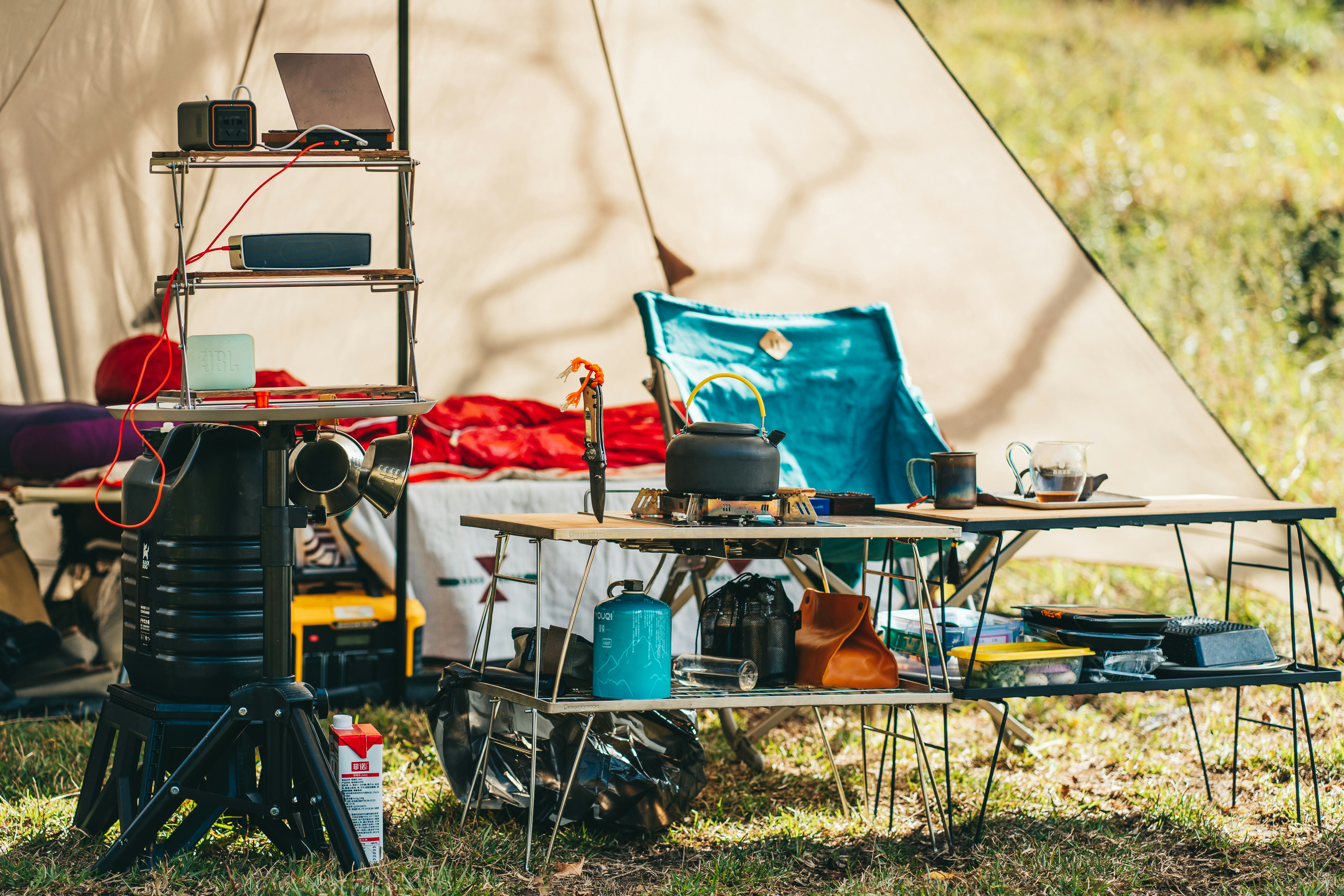
Introduction to Camping Cooking Gear
Camping is an enriching experience that allows individuals to connect with nature, explore new environments, and unwind from the demands of daily life. A significant aspect of this adventure is the meals prepared at the campsite, which can have a lasting impact on the overall camping experience. Therefore, having the appropriate cooking gear is essential for enhancing comfort and pleasure when preparing food outdoors.
The wrong tools can turn meal preparation into a cumbersome task, overshadowing the joy of camping. Conversely, the right equipment can streamline cooking processes, making it easier to navigate varied meal types—from simple snacks to hearty dinners. Moreover, an enjoyable cooking experience can promote social interactions among campers, fostering a sense of camaraderie during shared meals.
It’s important to consider the numerous environments where camping occurs. From rugged backcountry areas that require lightweight and portable cooking solutions to well-equipped campgrounds offering more amenities, gear selection is largely influenced by the setting. Campers venturing into remote locations often prioritize compact and versatile equipment, such as multi-functional cooksets and portable stoves. In contrast, those camping in developed sites may choose heavier-duty cookware and larger cooking appliances, optimizing for convenience and comfort.
Understanding the type of camping environment can significantly refine the choices made regarding cooking gear. By evaluating factors like the number of campers, available resources, and time spent at the site, outdoor enthusiasts can curate a cooking kit that aligns with their needs. Planning and preparation are crucial, as they not only enhance meal quality but also elevate the entire camping experience, making it more memorable and satisfying.
Essential Cooking Gear for Campers
When embarking on a camping trip, having the right cooking gear is vital for preparing delicious and satisfactory meals in the great outdoors. The essential cooking equipment not only contributes to a seamless experience but also ensures that meals can be enjoyed without unnecessary hassle. Below is a comprehensive guide to the fundamental items every camper should consider packing.
First and foremost, a portable stove is paramount for any camping kitchen. Various options are available, including propane, butane, and wood-burning stoves. Propane stoves offer convenience and consistent heat, making them a popular choice among campers. However, wood-burning stoves provide an authentic camping experience and do not rely on propane, which can be favorable for long trips.
Next, cooking pots and pans are essential items that every camper must include. A set of stainless steel pots and pans is often recommended due to their durability and ability to conduct heat evenly. They are easy to clean and can withstand high temperatures. Alternatively, non-stick cookware offers the advantage of easy food release and less cleanup; however, it is important to use utensils that will not scratch the coating.
Utensils such as spatulas, serving spoons, and tongs are also crucial for successfully preparing meals at the campsite. Folding or compact utensils are particularly helpful for saving space in a backpack. Additionally, cutting boards and knives are requisite for meal preparation. A sturdy cutting board, preferably a lightweight plastic option, can serve multiple purposes, while a sharp, reliable knife is essential for efficiently chopping ingredients.
In conclusion, equipping yourself with the right essential cooking gear can significantly enhance your camping experience. By selecting appropriate stoves, pots and pans, utensils, and cutting tools, you will be well-prepared to enjoy feeding yourself and your companions in the great outdoors.
Camping Cookware: Choosing the Right Set
When embarking on a camping trip, selecting the right cookware is essential for preparing satisfying meals at the campsite. Various types of camping cookware are available, each designed with unique features to cater to outdoor cooking needs. The primary considerations include weight, size, durability, and packing efficiency.
Lightweight cookware is a preferred choice for backpackers looking to minimize pack weight. Aluminum and titanium are common materials used in camping pots and pans, as they provide a great balance between durability and weight. Stainless steel is a robust option but often comes with added weight; thus, it may be more suitable for car camping rather than backpacking. The size of the cookware also plays a significant role. A compact set that includes a pot, pan, and possibly a kettle can often suffice for solo campers or small groups.
Durability is another critical characteristic to consider when purchasing camping cookware. Equipment that can withstand high heat and is resistant to scratches and dents will contribute to a hassle-free cooking experience. Additionally, opting for non-stick cookware can simplify the cooking process and reduce the difficulty associated with cleaning after meals.
Nesting pots and pans are particularly advantageous for efficient packing. These sets are designed to fit within each other, taking up less space in your backpack or storage area. Look for cookware that includes integrated handles or lightweight lids that can serve multiple purposes, enhancing versatility in your cooking gear. By assessing your camping style and cooking requirements, you can choose a cookware set that will ensure efficient meal preparation and contribute significantly to your overall outdoor experience.
Cooking Methods for Campsite Meals
When it comes to preparing meals at the campsite, selecting the right cooking method is crucial for both convenience and flavor. There are several popular methods that campers can utilize, including grilling, boiling, and stewing. Each method offers unique advantages and can adapt well to the outdoor cooking environment.
Grilling is perhaps the most popular campsite cooking method, allowing for a variety of meals from burgers to vegetables. Campers can choose between different heat sources, such as propane, charcoal, or even wood for an authentic flavor. Propane grills offer the convenience of instant heat and precise temperature control, while charcoal grills provide a smoky flavor that enhances the taste of grilled foods. When using wood for grilling, it’s important to select dry, seasoned wood to ensure an efficient burn and optimal cooking temperatures.
Boiling is another efficient cooking method that can be especially useful for preparing meals such as soups and pasta. A portable camping stove fueled by propane or a sturdy pot over a campfire can effectively bring water to a boil. It’s advisable to choose heat-resistant pots designed to withstand direct flames or high temperatures. When boiling, always remember to monitor your water levels and adjust your cooking times based on the elevation of your campsite.
Stewing is a great option for one-pot meals, allowing flavors to meld while minimizing cleanup. This method typically requires a pot with a tight-fitting lid to hold in moisture during cooking. Using a slow cooker on a portable propane stove can greatly enhance the stewing experience, allowing for longer cooking times without constant monitoring.
Each cooking method has its own set of benefits, and when choosing between propane, charcoal, or wood fires, consider factors such as convenience, availability of materials, and personal preference. Adapting recipes to suit each cooking style can lead to delicious results while making the most of your camping experience.
Easy Meal Ideas for Camping
When heading out into the great outdoors, it is essential to plan meals that are not only satisfying but also easy to prepare using essential camping gear. Below is a selection of simple meal ideas tailored for breakfast, lunch, dinner, and even snacks and desserts, all requiring minimal preparation and effort.
Breakfast: Start your day with a nutritious and energizing breakfast. Oatmeal is a perfect choice, as it can be prepared quickly. Use instant oats; simply add hot water, and allow it to sit for a few minutes. To enhance flavor, consider bringing along dried fruit and nuts as toppings. Alternatively, scrambled eggs can be cooked in a non-stick skillet over a portable stove, paired with pre-cooked bacon for a hearty meal.
Lunch: For lunch, sandwich options are ideal due to their portability. Whole grain bread or wraps filled with deli meats, cheese, and fresh vegetables offer a balanced meal. Another excellent option is a pasta salad, which can be made in advance and enjoyed cold. Combine cooked pasta with a variety of ingredients such as cherry tomatoes, olives, bell peppers, and a simple dressing.
Dinner: Dinner could feature foil packet meals, which are easy to prepare and clean up. Mix raw protein like chicken or fish with pre-cut vegetables, season, and wrap in aluminum foil before placing over the campfire or on a grill. This method allows for flavors to meld beautifully as the food cooks. Additionally, a one-pot chili is another straightforward option that can be prepared using canned beans, tomatoes, and spices; just heat and simmer on a camp stove.
Snacks and Desserts: For snacks, trail mix made from nuts, seeds, and dried fruit is an excellent, energy-boosting choice. As for dessert, roasting marshmallows for s’mores provides a classic camping treat, requiring just graham crackers and chocolate to accompany the marshmallows.
Food Storage Solutions for Campers
Proper food storage during camping trips is essential for ensuring food safety and minimizing waste. A variety of solutions can be employed to maintain the freshness and quality of your food items. Among the most common are coolers, dry bags, and bear-proof containers, each serving a unique purpose in a camper’s food storage arsenal.
Coolers are a staple for many campers, allowing for the storage of perishable items like meats, dairy, and produce. When selecting a cooler, consider the size based on your group and the length of your trip. To maximize efficiency, pre-chill the cooler and use ice packs or block ice rather than loose ice, as this helps maintain a cooler temperature longer. Organize items within the cooler by separating raw meats from other food to reduce the risk of cross-contamination.
For campers seeking additional protection, dry bags offer an ideal solution for non-perishable food items. These waterproof bags are lightweight and can be sealed tightly, ensuring that food remains dry and safe from pests. Items such as grains, snacks, and dried fruits can be efficiently stored in dry bags, making it easy to transport them while keeping them secure.
When camping in areas frequented by wildlife, using bear-proof containers is critical. These containers are designed to withstand the attempts of bears and other animals to access food. Local regulations often mandate their use in certain parks, making it essential for campers to familiarize themselves with the requirements of their chosen destination.
To minimize waste, opt for reusable containers and packaging materials whenever possible. Additionally, plan your meal portions carefully to reduce leftovers. By adopting these food storage solutions, campers can enhance their outdoor cooking experience while prioritizing safety and sustainability.
Cleaning and Maintenance of Camping Cooking Gear
Maintaining clean and hygienic camping cooking gear is vital not only for the longevity of your items but also for the health and safety of those who will be using them. After each camping trip, it is essential to clean pots, pans, utensils, and other cooking equipment thoroughly. Begin the process by ensuring that all items are allowed to cool down completely before cleaning to avoid burns or damage.
Start by scraping off any remnants of food from the surfaces using a soft spatula or cloth. Avoid using metal utensils that could scratch non-stick surfaces. For pots and pans that have baked-on food, soaking them in warm, soapy water for about 15-30 minutes can make it easier to clean. Using non-abrasive sponges or cleaning cloths, scrub the surfaces gently, ensuring that no residue remains.
It is equally important to dry your cooking gear properly after washing to prevent rust or corrosion. A soft, dry cloth should be used to wipe down each item thoroughly. If you are using materials like cast iron, applying a thin layer of vegetable oil after cleaning can help in preserving the seasoning and preventing rust.
For utensils and other items made from different materials, it’s crucial to follow specific care instructions if provided by the manufacturer. Dishwashers can be convenient for cleaning, but some delicate items may require hand washing. Storing your camping cooking gear in a clean, dry location, ideally in a container that prevents dirt and moisture from seeping in, will keep everything hygienic and in good condition.
Regular inspection of your gear for any signs of wear or damage will further ensure its longevity. Addressing minor issues promptly can prevent them from becoming larger problems that could affect your camping experience. With these practices, your camping cooking gear will remain not only functional but also safe and ready for your next adventure.
Safety Tips for Cooking While Camping
When embarking on a camping adventure, cooking outdoors can greatly enhance the experience, but it is important to prioritize safety at the campsite. One of the first considerations is fire safety. Always ensure that your campfire is located in a designated fire pit or area, away from flammable materials such as tents, foliage, and equipment. Keep a bucket of water or sand nearby to extinguish the fire quickly if needed. Never leave the fire unattended and make sure it is completely extinguished before leaving the campsite.
Proper handling of cooking utensils is also essential. Use utensils designed for outdoor cooking, which are often made from durable materials that can withstand high temperatures. Always wash your hands before and after handling food to prevent cross-contamination. Additionally, consider using gloves when handling raw meats and always sanitize your utensils and cooking surfaces between different food preparations. This is particularly important for avoiding foodborne illnesses.
Food safety guidelines should not be overlooked while camping. Pack perishable food items in a cooler that maintains an appropriate temperature, ideally below 40°F (4°C). It is crucial to consume or cook these items within a reasonable timeframe to reduce spoilage. Always store food securely to deter wildlife and prevent contamination. Cook meats to the recommended internal temperature, and use a food thermometer to verify their doneness. Lastly, ensure to dispose of any waste properly; use designated trash bags and bins to maintain cleanliness at your campsite.
By following these safety tips, campers can enjoy cooking in the great outdoors while minimizing health risks and preventing accidents at the campsite.
Conclusion: Enjoying Meals in Nature
In conclusion, the experience of cooking and sharing meals in the great outdoors is an enriching aspect of camping that fosters connection and creativity. Throughout this guide, we have explored essential camping cooking gear designed to aid in the preparation of meals that are both simple and delightful. From portable stoves to durable cookware, each piece of equipment plays a vital role in ensuring that your culinary adventures in nature are not only successful but also enjoyable.
Moreover, the act of preparing food in a picturesque setting allows campers to savor not only the flavors of their meals but also the beauty of the surrounding environment. Preparing and sharing food with friends or family while surrounded by the tranquility of nature creates lasting memories that enhance the overall camping experience. As you venture into the wilderness, embrace the opportunity to experiment with different recipes, perhaps incorporating local ingredients or flavors that you might not typically use at home.
This guide emphasizes the importance of choosing the right cooking tools that cater to your specific needs and preferences, ensuring that every meal becomes a special occasion. Whether you are roasting marshmallows by the campfire or whipping up a hearty breakfast at dawn, the joy of outdoor cooking lies in both the process and the camaraderie that it fosters. Let this serve as an invitation to explore your culinary creativity while camping, appreciate the simplicity of cooking outdoors, and ultimately treasure the moments shared around the dining setup under the stars.