Understanding Your Road Trip Goals
Planning a road trip can often feel daunting, which is why identifying your road trip goals is crucial in creating a fulfilling experience. The first step in this journey is to clearly define what you wish to achieve. Are you looking to explore the beauty of national parks, reconnect with friends in distant cities, or simply enjoy the freedom of scenic drives? Each goal will significantly influence the route you choose and the activities you prioritize.
If your intention is to immerse yourself in nature, consider mapping out destinations that feature stunning landscapes, such as mountains, lakes, or forests. This will help you select routes that enhance the natural beauty along the way. Conversely, if the aim is to visit friends or family, planning your route should involve detours that allow you to spend quality time with loved ones, ensuring that your road trip fosters those cherished connections.
Furthermore, defining your road trip goals also extends to considering travel preferences, such as whether you prefer leisurely drives or more direct routes that minimize travel time. A scenic route might be satisfying if your goal includes taking in picturesque views and experiencing quaint towns. Meanwhile, a more expedited route might be prudent if time is of the essence. By establishing these intentions up front, you can minimize feelings of being overwhelmed and create a structured yet flexible itinerary that enhances your travel experience.
Your goals will also guide essential decisions, such as vehicle selection, accommodations, and packing essentials. Ultimately, being clear about what you want to accomplish during your road trip will pave the way for a thoughtful and enjoyable journey, transforming what may seem like an overwhelming task into an exciting adventure.
Researching Potential Destinations
Planning a road trip can be both exciting and daunting, especially when it comes to deciding on destinations along your route. The first step to ease this process is to identify potential stops that would enhance your journey. Begin by creating a list of attractions, landmarks, and other points of interest that align with your travel preferences. Utilizing travel blogs, tourism websites, and social media platforms can provide inspiration and valuable insights.
Start by narrowing down the types of destinations you wish to visit. For example, if you are interested in historical sites, consider looking at state archives or national parks. Alternatively, if you are drawn to natural beauty, websites like AllTrails or Visit the USA can help highlight breathtaking landscapes and hiking opportunities along your path. You may also find it useful to check forums or groups dedicated to travel, where experienced travelers frequently share their recommendations.
Moreover, the inclusion of local attractions can greatly enhance your road trip experience. Consider browsing local tourism boards, which often provide comprehensive guides and maps to assist travelers in discovering hidden gems. Another excellent source of information can be user-generated content applications, such as Yelp or TripAdvisor, where you can read reviews from fellow travelers, helping you to gauge the worthiness of each stop.
Compile your findings in a structured manner, perhaps utilizing a spreadsheet or a notebook. This organization will help you visualize your route and prevent the feeling of being overwhelmed. Make sure to factor in the time you will spend at each destination, ensuring a balanced itinerary. By researching thoroughly, you can transform your road trip into a collection of exciting adventures rather than a logistical challenge.
Mapping Out Your Journey
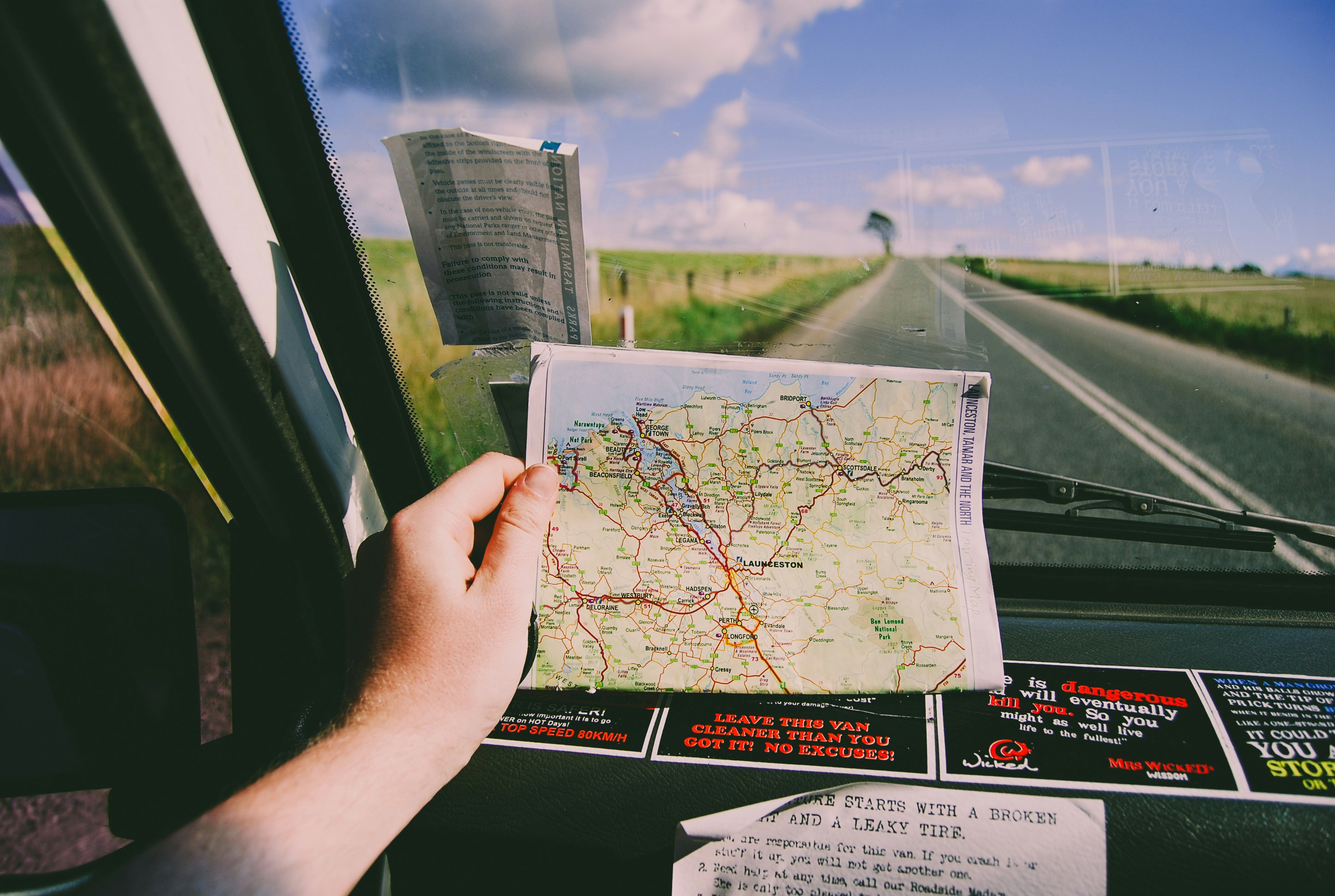
Planning a road trip requires careful consideration of the route you will take, and utilizing maps and navigation tools can make this task more efficient. Start by using an online mapping service or a GPS application that allows you to input your start and end points. This will provide you with an initial route along with distance, estimated travel time, and alternative paths you might consider. Pay keen attention to the application’s recommendations, as they typically account for road conditions and potential traffic issues.
As you map out your journey, it is essential to keep your destination and the general direction in mind while maintaining flexibility in your plans. While it can be tempting to stick rigidly to the planned route, unexpected situations like closed roads, detours, or even tempting sites along the way can provide valuable opportunities to enhance your trip. For instance, consider integrating scenic byways into your travel plan; these routes can often add a few extra miles but may afford picturesque views and significant landmarks.
Moreover, leverage the use of mobile apps that offer real-time updates or offline navigation options. This adaptability ensures you remain oriented, even if your plans change mid-journey. When mapping your route, take into account resting points for meals and breaks, which can be helpful in reducing fatigue during long drives. A well-planned yet adaptable route will grant you the freedom to explore and discover hidden gems along your journey. Therefore, approach your mapping with a balance of structure and spontaneity to maximize your road trip experience.
Considering Timeframes and Travel Pace
When planning a road trip, understanding your timeframes and preferred travel pace is essential. Estimating the duration of your journey includes accounting for driving time as well as breaks and sightseeing opportunities. On average, a good rule of thumb is to limit driving to no more than six to eight hours per day, which allows for a comfortable and enjoyable experience. This approach can help mitigate feelings of exhaustion that often accompany extended travel.
As you formulate your itinerary, it is crucial to incorporate planned breaks into your schedule. Frequent stops not only rejuvenate travelers but also provide opportunities to explore local attractions or enjoy meals. Depending on the route, consider allocating time for both short, spontaneous stops and longer visits to places of interest. These planned pauses will not only enrich your trip but will also reduce the pressure of adhering strictly to a timeline.
Your travel pace should reflect both your personal preferences and the preferences of those traveling with you. Some may prefer a leisurely pace with ample time to explore, while others might thrive on a more accelerated schedule. Communicating with fellow travelers about their preferences can enhance the experience, ensuring that all participants feel content with the journey’s rhythm. Remember to build in rest days if traveling over an extended period. This allows for relaxation and a chance to recharge, making your trip more enjoyable. By considering timeframes and travel pace from the outset, you can create a well-balanced agenda that fosters memorable experiences without the burden of feeling rushed.
Budgeting for the Trip
When planning a successful road trip, budgeting is a fundamental aspect that can dictate the overall experience. Effective budgeting involves taking into account various expenses such as fuel, accommodation, food, and activities. By organizing these costs, travelers can avoid feeling overwhelmed by financial constraints.
To begin with, estimating the fuel costs is essential. Use online calculators to determine the distance of your route and the fuel efficiency of your vehicle. This will provide a good approximation of the total fuel cost, allowing for some flexibility for price fluctuations at the pump.
Accommodation is another significant expense. Consider a range of lodging options, from budget motels to camping sites. Booking accommodations in advance often yields better rates and ensures availability, thereby providing peace of mind. Additionally, leveraging platforms that offer last-minute deals can help snag discounts when you are on the road.
Food expenses can accumulate quickly during a road trip. Opt for a mix of dining options, including restaurants and grocery shopping for snacks. Preparing simple meals in the vehicle or planning picnic lunches can not only cut costs but also enhance the travel experience. Try to set a daily food budget and stick to it, which will prevent overspending.
Lastly, include a budget for activities and entertainment along the way. Research attractions along your planned route to find affordable or free options. Many national parks and local events offer lower-cost admission, while also providing enriching experiences. Ensuring you set a reasonable budget for activities will maximize your enjoyment without financial strain.
A well-thought-out budget can transform your road trip into a fulfilling adventure. By planning ahead, being conscious of expenses, and choosing wisely when it comes to both food and activities, you can enjoy your journey without the looming stress of financial worry.
Accommodation Options and Booking Strategies
When planning a road trip, selecting the right accommodation is crucial to ensuring a comfortable and enjoyable journey. Various lodging options are available, catering to different preferences and budgets. Some of the most common types include hotels, motels, campgrounds, and vacation rentals.
Hotels are a popular choice for travelers seeking convenience and amenities. With a range of classifications from budget-friendly to luxury, hotels often provide services such as room service, Wi-Fi, and pools. Understanding the difference between chain hotels and boutique establishments can help you find the right fit based on your needs. Conversely, motels are generally simpler, offering basic accommodations, usually located along highways, which can be ideal for a quick overnight stop.
For those who appreciate nature, campgrounds offer a more adventurous and economical option. Camping can range from established campgrounds with facilities to primitive sites, allowing for a unique experience in the great outdoors. It is essential to book these spots in advance, especially during peak seasons, to secure a space. Alternatively, vacation rentals present another option, providing a home-like environment with the advantage of a kitchen, which is particularly useful for longer stays or families.
Booking accommodations in advance can be beneficial for several reasons. First, it allows for comparison shopping, thus helping you find the best prices. Additionally, securing your lodging early reduces the stress associated with finding a place to stay last minute. Utilizing online platforms and apps can simplify this process; they often provide user reviews, pricing filters, and photographs. Consider looking for discounts or special offers that may be available for extended stays or last-minute bookings.
Packing Smart and Staying Organized
Packing effectively for a road trip is essential for ensuring a stress-free and enjoyable journey. A well-organized approach not only saves time when loading and unloading the vehicle but also enhances overall comfort during travel. Begin by creating a comprehensive packing list tailored to the specific needs of your trip. This should include everything from clothing to snacks and emergency items. A good rule of thumb is to pack versatile clothing that can be layered, allowing for changes in weather and climate as you travel.
When it comes to travel essentials, always include a first-aid kit, a spare tire and tools, and necessary vehicle documents. Additionally, prioritize non-perishable snacks, water, and a cooler for perishable items if your journey is lengthy. Organizing these items in separate bags can greatly simplify access; for example, using a cooler for food and a designated tote for personal items can keep everything in its place.
Utilizing packing cubes or compression bags can also maximize space in your vehicle. These tools help keep items organized and easily distinguishable, significantly reducing clutter. For essentials and frequently used items, consider storing them in areas that are simple to access, such as the front seats or center console. This can include chargers, maps, or travel guides.
Finally, as you travel, make it a habit to regularly declutter. Instead of letting trash or unnecessary items accumulate, take a few minutes at rest stops to discard waste and reorganize your belongings. This will help maintain a tidy environment in the vehicle, making for a more enjoyable journey and allowing for quick access to what you need when you are on the go.
Staying Flexible and Adapting Your Plans
Embarking on a road trip can be an exhilarating yet unpredictable experience, where planning only goes so far. One of the vital components of enjoying your journey is to remain flexible and open to adapting your plans. While having a structured itinerary provides a sense of direction, the true essence of a road trip often unfolds through spontaneous decisions and unexpected detours. Learning to embrace this fluid nature can transform potential frustrations into delightful adventures.
When faced with unexpected changes, whether it be road closures, weather disruptions, or even a desire to explore an intriguing roadside attraction, maintaining a positive attitude is paramount. Rather than fixating on what went wrong or how things deviated from the original plan, focus on the exciting possibilities that these changes present. For instance, if a planned destination is unattainable, consider alternative routes that may lead you to hidden gems or lesser-known sites that you might otherwise have overlooked.
Moreover, keeping a flexible mindset encourages a collective spirit, especially if traveling with companions. Open dialogue about the itinerary becomes crucial, allowing for collaborative decision-making and shared enthusiasm for the road ahead. Each member can voice their interests, which not only strengthens group dynamics but also enhances the overall experience.
Being adaptable should not only take place in response to obstacles but is also vital for adjusting to changing moods or preferences during the trip. If a planned hike seems too strenuous on a particular day, it may be beneficial to opt for a more leisurely activity instead. This adaptability not only reduces stress but also enriches the road trip atmosphere, ensuring everyone remains engaged and motivated.
Enjoying the Journey: Tips for a Great Experience
Road trips are not merely about reaching a destination; they are experiences that forge memories and strengthen bonds. Embracing the journey is essential for a fulfilling road trip. The first step towards enjoying the adventure is to foster a sense of spontaneity. While having a planned route is beneficial, allowing for timely deviations can lead to unexpected and delightful discoveries. These unplanned stops might include quirky roadside attractions, a recommended local diner, or even a scenic overlook that offers breathtaking views.
Engaging in road trip games can enhance the experience for travelers of all ages. Traditional games such as “I Spy” or the “License Plate Game” foster a spirit of competition and collaboration among passengers, making long stretches of driving feel much shorter. Alternatively, modern apps that provide trivia or challenges tailored to various interests can add a contemporary twist, making it enjoyable for tech-savvy travelers.
Providing a playlist that resonates with everyone in the vehicle is another excellent way to enrich the journey. Curating a diverse selection of music or podcasts can set the mood and create a shared atmosphere as travelers traverse the open road. Allowing passengers to take turns choosing tunes not only promotes camaraderie but also exposes everyone to new genres and artists.
While many seek adventure, planning small breaks is equally important. Designating time for activities such as hiking, exploring local shops, or enjoying a picnic can transform a long drive into a series of small adventures. Not only does this strategy break up monotonous stretches of highway, but it also creates opportunities for capturing joyful moments through photos, journal entries, or even shared stories.
Ultimately, a successful road trip is defined by the experiences you gather along the way. Embrace the freedom of the journey, immerse yourself in the landscapes, and cultivate connections with fellow travelers to ensure that the road trip becomes a cherished memory.