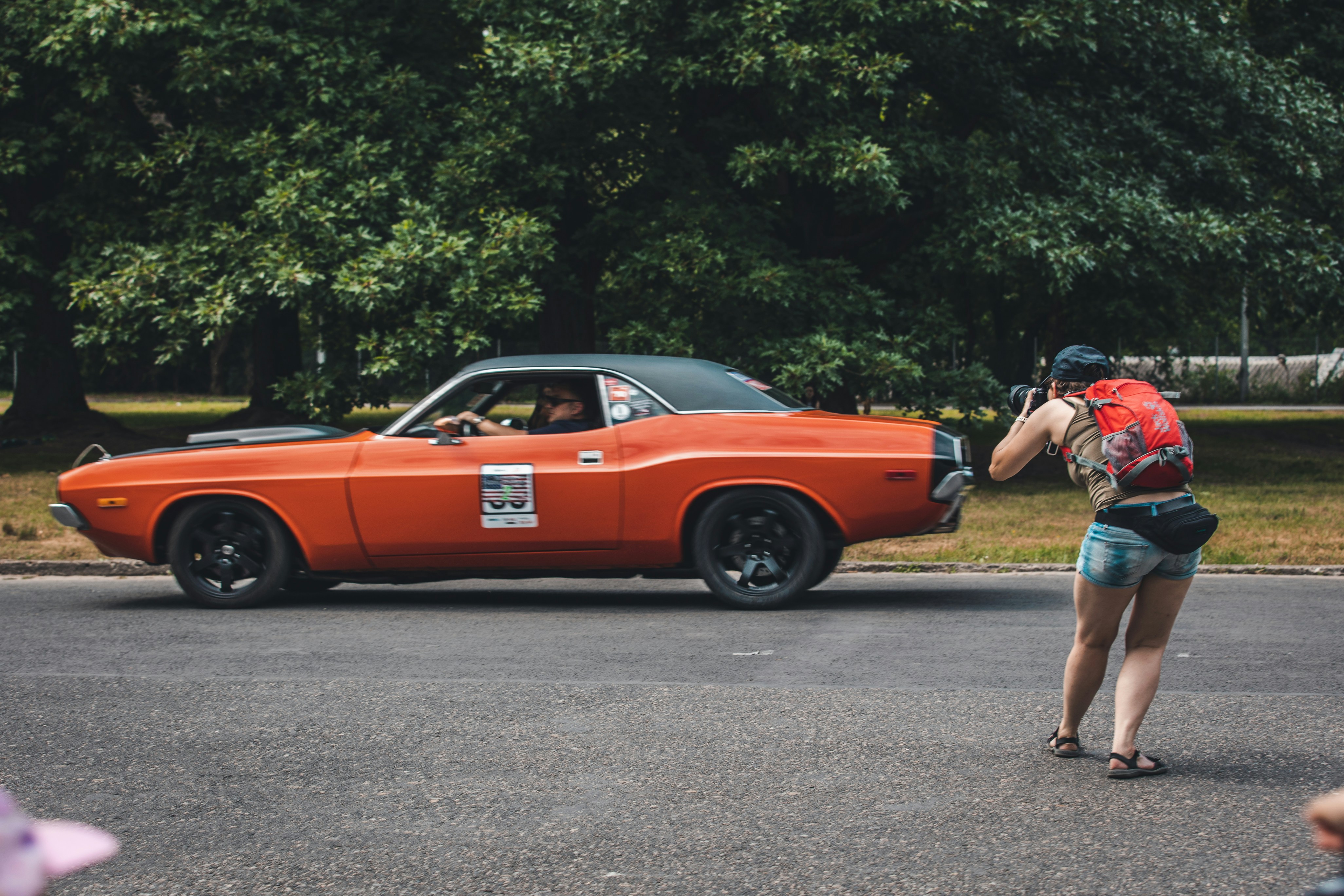
Introduction to Road Trip Photography
Road trip photography is an art form that encapsulates the essence of adventure through stunning imagery and powerful narratives. It allows travelers to preserve their experiences and emotions as they journey down scenic highways and explore new destinations. The significance of capturing these moments cannot be overstated, as photographs serve as time capsules that transport individuals back to memorable days spent on the open road.
The act of taking photographs during a road trip not only documents the travels but also enhances the overall experience. Each click of the camera captures not just the landscapes but also the moments—whether it’s a spontaneous roadside stop, a breathtaking sunset, or candid expressions of joy among travel companions. These images help to construct a visual diary that narrates the unique story of one’s journey.
Moreover, road trip photography encourages a deeper connection with the environments and cultures encountered along the way. It invites travelers to observe details that they might otherwise overlook. By actively engaging with surroundings through the lens of a camera, one learns to appreciate the beauty of everyday moments, like the intricacies of a rustic diner or the patterns of light filtering through trees during a stop. The importance of good photography lies in its ability to deepen these experiences, ensuring that travelers not only remember the sights but also the emotions tied to those memories.
As we delve deeper into this guide, we will explore various techniques and tips aimed at enhancing your road trip photography skills. Whether you are a novice with a smartphone or an experienced photographer with a DSLR, the goal is to help you capture the spirit of your journey effectively and artistically. In doing so, you will enhance your ability to create lasting travel memories that can be cherished for years to come.
Essential Gear for Road Trip Photography
Embarking on a road trip photography journey requires careful consideration of the equipment you take along, as the right gear can significantly enhance your ability to capture breathtaking travel memories. The first choice many photographers face is determining the type of camera. Digital Single-Lens Reflex (DSLR) and mirrorless cameras are highly recommended for their image quality and versatility. For those prioritizing portability, compact cameras or high-end smartphones with excellent camera capabilities can also produce remarkable results without the bulk.
In addition to the camera body, selecting the appropriate lenses is crucial for road trip photography. A versatile zoom lens, such as a 24-70mm f/2.8, is ideal for capturing everything from sweeping landscapes to detailed portraits. A wide-angle lens can also be invaluable for shooting expansive views, while a telephoto lens allows you to capture distant subjects and compress scenes effectively.
Furthermore, stability in your shots is essential, especially in low-light conditions. A lightweight tripod is a worthwhile investment, allowing for longer exposure times without introducing camera shake. Various models are available that cater specifically to travel photographers, offering portability without sacrificing stability.
Drone technology has become a popular tool for capturing unique aerial perspectives, and many modern drones are compact and user-friendly, making them a suitable addition to your road trip gear. When selecting a drone, consider weight, battery life, and camera quality, ensuring it aligns with your travel goals.
Finally, accessories such as extra batteries, memory cards, and a sturdy camera bag for protection and organization can greatly enhance your experience. Each piece of equipment should be chosen with portability in mind, as balancing quality with convenience will help you capture stunning photographs without hindering your travel experience.
Planning Your Shots: Pre-Road Trip Preparation
Embarking on a road trip with a focus on photography requires careful pre-trip preparation to ensure that you capture the best possible travel memories. Proper planning not only enhances your photographic opportunities but also adds a layer of excitement to your journey. One of the first steps involves researching scenic routes that align with your photographic interests. Various online resources, such as travel blogs, photography forums, and social media platforms, provide invaluable insights into picturesque roads and hidden gems.
It is equally essential to identify must-visit attractions along your route. Historical landmarks, national parks, and unique urban locales all offer distinct photographic opportunities. By compiling a list of these attractions, you can better manage your itinerary and maximize photography time. Furthermore, consider the optimal times for capturing images; the golden hour, which occurs shortly after sunrise and before sunset, provides stunning lighting for photography. By aligning your schedule with these times, you can photograph landscapes bathed in soft, warm tones.
Creating a shot list can also be highly beneficial in enhancing your photography strategy. This list will allow you to focus on specific subjects or scenes you wish to capture, ensuring you don’t miss key opportunities. For instance, if you are photographing a sunset, consider what foreground elements might enhance your images. Additionally, taking note of weather conditions can significantly impact your plans; clear skies and vibrant cloud formations can enrich your photographs while gloomy weather may necessitate alternative shooting strategies.
In conclusion, thoughtful planning and research can dramatically improve your photography outcomes during a road trip. By understanding your route, the locations you wish to photograph, the best times for shooting, and considering environmental factors, you ensure that you make the most of your travel experiences while capturing compelling imagery along the way.
Techniques for Capturing Stunning Landscape Photography
When embarking on a road trip, capturing breathtaking landscape photography is often a top priority for many travelers. To create stunning images that convey the beauty of your surroundings, it is crucial to master a few fundamental techniques. Firstly, understanding composition is key. Utilizing the rule of thirds can greatly enhance the visual appeal of your photographs. By dividing your frame into a grid of nine equal sections and positioning elements of interest along these lines or at their intersections, you create a more balanced image.
Lighting is another essential consideration when photographing landscapes. The golden hours, occurring shortly after sunrise and before sunset, provide soft, diffused light that can dramatically improve the quality of your images. During these times, colors become more vibrant, and shadows are softened, making it the ideal opportunity for capturing the essence of the landscape.
Furthermore, varying your perspective and angle can lead to unique and compelling photographs. Instead of always shooting from eye level, experiment with crouching low or finding elevated positions. This can reveal an entirely different viewpoint and highlight interesting foreground elements that add depth to the composition.
In addition to angles, incorporating natural frames can also elevate your landscape images. Use elements such as trees, archways, or rock formations to encircle the focal point of your photograph. This technique draws the viewer’s eye to the subject while simultaneously providing a sense of context and scale within the landscape. Lastly, don’t hesitate to include a human element or travel accessories in your photos, as they can evoke a sense of adventure and connection to the scene.
Photographing Local Culture and People
Immersing oneself in local culture is a fundamental aspect of any road trip, and capturing the essence of this experience through photography can create lasting memories. To effectively photograph local culture and people, it is crucial to approach each subject with respect and sensitivity while employing various photographic techniques.
When photographing individuals, candid photos can often convey the truest representation of local culture. Rather than staging interactions, allow moments to unfold naturally. This often requires patience and attentiveness. Observe your surroundings to anticipate interesting interactions, and be ready to click the shutter at the right moment. A spontaneous laugh or a shared smile can portray deeper stories and endearing aspects of everyday life.
Street photography techniques play a vital role in capturing the vibrancy of a community. Make use of natural lighting and consider the background of your shots; vibrant murals or busy marketplaces can provide excellent context. When incorporating architecture or landscapes, aim for composition that emphasizes the relationship between people and their environment. Always pay attention to framing and focus as they can accentuate the liveliness of the scene.
Engaging respectfully with locals is another vital consideration when photographing cultures. Before taking photographs of individuals, it is often courteous to ask for permission, showing genuine interest in their lives and stories. This vital step fosters trust and can lead to more meaningful interactions. Using a polite demeanor and perhaps learning a few phrases of the local language can enhance these exchanges.
Ultimately, photographing local culture and people while on a road trip enriches the storytelling aspect of your journey. By capturing candid moments and respecting the subjects, photographers can create beautiful images that authentically represent the places and communities encountered along the way.
The Importance of Candid Moments and Spontaneity
In the realm of road trip photography, the significance of candid moments cannot be overstated. These unposed, spontaneous shots often encapsulate the essence of a journey, revealing genuine emotions and interactions that staged photographs may lack. Candid moments foster a connection between the viewer and the subject, allowing for storytelling that is both authentic and engaging. To enhance your travel memories through photography, it is crucial to adopt techniques that prioritize spontaneity.
One effective method for capturing spontaneous moments is to maintain a ready-to-shoot mindset. Keep your camera or smartphone easily accessible, whether you are in the car, taking a break at a scenic overlook, or exploring a quaint town. By being prepared to snap a photo at any given moment, you can seize when conversation flows naturally among friends or when a child’s delight at a newly discovered sight radiates joy.
Additionally, practice the art of observation. Pay close attention to your surroundings and the people around you. Observing their interactions, the beauty of the landscape, or even a small, unscripted event can inspire unexpected photographs that depict authentic travel experiences. Do not hesitate to shoot multiple frames in a sequence, as this will provide a selection of candid expressions or movement, ultimately enhancing your storytelling array.
Moreover, it is essential to cultivate a sense of freedom and flexibility during your travels. Set aside specific times for formal photography but be open to capturing unplanned moments that arise while wandering. These unedited snippets of life can tell compelling stories of the adventure, enriching your visual narrative with genuine experiences that reflect the essence of your journey. In this way, candid photography becomes an integral part of road trip memories, creating a visual diary filled with authenticity and spontaneity.
Editing Your Photos for Maximum Impact
Post-processing is a crucial step in transforming your road trip photos into captivating images that truly capture the essence of your journey. There are numerous editing software and applications available that cater to varying skill levels, from beginners to professional photographers. Adobe Lightroom and Photoshop are widely recognized for their comprehensive features, providing tools for advanced editing. For those seeking simplicity, user-friendly apps like Snapseed and VSCO offer essential functionalities to enhance your images without the learning curve associated with more sophisticated software.
When editing your travel photos, several fundamental techniques can significantly enhance their visual appeal. One of the first steps is color correction. Adjusting the white balance can eliminate color casts caused by different lighting conditions, ensuring that your images reflect the true colors of the scenery you encountered. Furthermore, tweaking saturation and contrast can make your photos pop, giving them that professional finish.
Cropping is another essential technique in post-processing. This not only allows you to eliminate unwanted distractions from the edges of your frame but also helps to focus the viewer’s eye on the main subject of your photograph. The rule of thirds is a helpful guideline that can create more dynamic compositions, leading to a more engaging visual narrative.
Additionally, applying filters can add a distinct mood to your photos, allowing you to convey the feeling of your experiences during the trip. Whether you prefer warm and inviting tones or cooler, more moody hues, filters can aid in achieving the desired effect. Overall, well-planned editing can elevate your road trip photography, making it more expressive and memorable for years to come.
Creating a Story through Your Road Trip Photos
When embarking on a road trip, the excitement of exploration is often matched by the desire to capture and share the journey’s various moments. Organizing and curating your photographs effectively can enhance the storytelling aspect of your travel memories. To create a cohesive narrative, it is essential to thoughtfully select images that weave together a visual account of your experiences.
Start by categorizing your photos based on specific themes or locations encountered during your journey. For instance, divide images into categories such as landscapes, cityscapes, roadside attractions, and candid moments with companions. This method not only helps maintain an organized digital collection but also enables you to highlight particular aspects of your trip.
Once the photos are categorized, consider creating a photo album that reflects the chronological progression of your adventure. This approach allows for the creation of a coherent storyline, guiding viewers from one experience to another seamlessly. Platforms such as Shutterfly or Mixbook offer user-friendly interfaces to design personalized photo books that preserve your road trip memories in a tangible form.
In addition to traditional photo albums, you may also explore creating digital slideshows or compilations for social media. Software and applications like Adobe Spark or Animoto provide tools to combine images, add music, and implement transitions, resulting in an engaging visual presentation. This modern approach not only facilitates sharing experiences with others but also provides an opportunity for viewers to feel connected to the journey.
To further enhance your storytelling, consider pairing your images with captions or short descriptions that capture the essence of each moment. This practice enriches the viewer’s understanding and allows them to experience the emotions tied to each photograph.
Ultimately, the goal is to compile a collection of images and narratives that reflect the spirit of your journey, providing a lasting reminder of the memories created along the road.
Conclusion and Encouragement to Hit the Road
As we conclude this comprehensive guide to road trip photography, it is important to reflect on the skills and techniques you’ve acquired throughout this journey. The art of capturing travel memories is not merely about documenting your surroundings; it is about expressing your experiences and emotions through powerful imagery. Every photograph has the potential to tell a story, and with the knowledge gained here, you now possess the capability to create visuals that resonate with your audience.
Photography during your travels allows you to preserve the moments that shape your adventure, creating a visual diary that can be cherished for years to come. You have learned how to approach different settings with a keen eye, utilize lighting effectively, and compose your shots to highlight the enchanting beauty of the world around you. The joy of photography lies not only in the final images but also in the process of exploration and creativity that each road trip offers.
Now that you are equipped with various tips and techniques, we encourage you to take to the open road. Embrace the spontaneity of travel and seize the opportunity to photograph unique landscapes, interesting people, and captivating moments. Whether you are venturing to popular landmarks or hidden gems, remember that each setting provides a new canvas. Allow your imagination to run wild and capture the essence of your journeys.
In closing, your travels await! With camera in hand and a spirit of adventure, embark on your road trips and capture the beautiful memories that will undoubtedly enrich your life. Happy traveling and photographing!