Introduction to Desert Road Trips
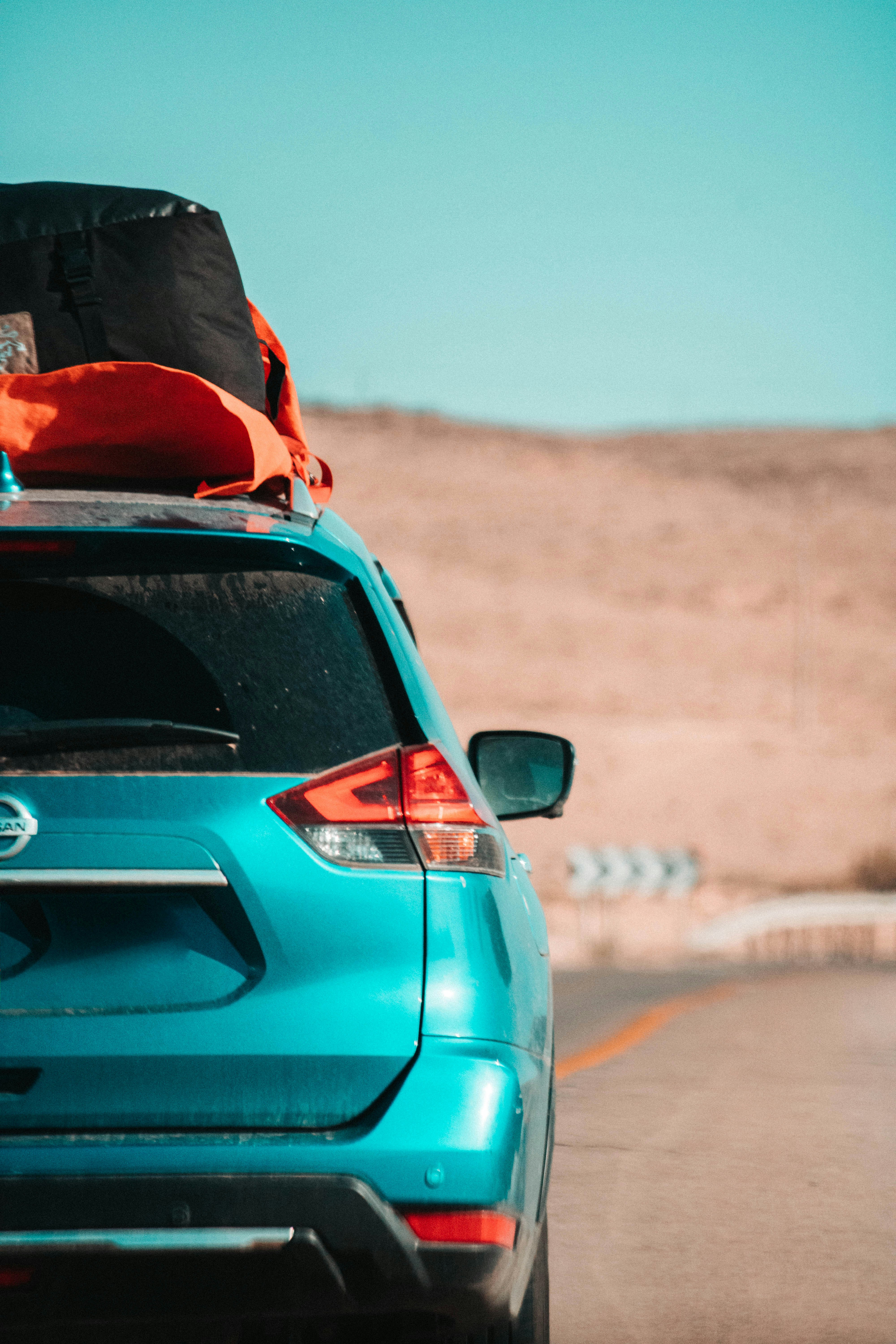
Desert road trips present a unique opportunity for adventure seekers, offering a blend of breathtaking scenery and the thrill of exploration. These arid landscapes are characterized by vast open spaces, dramatic rock formations, and stunning sunsets that create an alluring backdrop for any traveler. The charms of desert environments are multifaceted, inviting visitors to engage with nature on a deeper level. From iconic destinations like the Grand Canyon to the striking beauty of Death Valley, each desert region has distinctive features that can shift one’s perception of travel.
Embarking on a desert road trip also means venturing into some of the most remote areas, where civilization often feels a world away. This isolation provides an unparalleled sense of freedom, allowing travelers to discover hidden gems, from unmarked trails to enchanting vistas. However, it is crucial to recognize the challenges that accompany such adventures. The extreme temperatures, particularly during the summer months, demand careful consideration and preparation.
Proper planning is essential for any successful journey through desert landscapes. Travelers must ensure they are equipped with adequate supplies, such as water, food, and navigation tools. Moreover, understanding the geography and weather patterns can significantly enhance the experience, mitigating risks associated with traversing these harsh environments. Therefore, a well-thought-out preparation strategy is vital for enjoying the aesthetic splendor while safeguarding one’s well-being.
In summary, desert road trips offer an enticing mix of adventure and natural beauty, presenting challenges that underline the importance of preparation. With stunning vistas and remote exploration, these trips resonate with wanderers seeking to connect with the wild, making them a memorable part of any travel itinerary.
Understanding the Desert Climate
The desert climate is characterized by its extreme conditions, featuring wide fluctuations in temperature and low humidity levels. Typically, desert regions experience scorching heat during the day, where temperatures can soar well above 100°F (38°C), and then drop significantly as night approaches, often plummeting into the chilly range of 40°F (4°C) or lower. This stark contrast requires careful planning, especially for those embarking on a desert road trip.
During the day, the high levels of sunlight can lead to rapid dehydration, making it imperative for travelers to pack an ample supply of water and hydrating snacks. Lightweight, breathable clothing is equally crucial in order to mitigate heat exposure, while a wide-brimmed hat and UV-blocking sunglasses can provide further protection against harsh sunlight. Such preparation becomes essential not only for comfort but also for health and safety while navigating these scorching landscapes.
As nighttime falls, the temperature can drop dramatically. Therefore, travelers should ensure they have suitable layering options available. A warm jacket or fleece will provide the necessary warmth for the cooler desert nights, while a sleeping bag rated for low temperatures is advisable for those who may camp outdoors. Furthermore, the low humidity typical of desert regions can lead to dryness, affecting skin and respiratory systems. Therefore, packing moisturizers and lip balms can enhance comfort.
Ultimately, understanding the desert climate is invaluable for creating a balanced packing list and daily itinerary. Preparing for heat during the day while acknowledging the need for warmth at night will enable travelers to fully enjoy their desert road trip experience. By considering these factors, one can venture into the desert prepared and ready for the unique challenges its climate presents.
Essential Gear for Desert Road Trips
Embarking on a desert road trip presents a unique set of challenges, and having the right gear is crucial for a safe and enjoyable experience. The remote nature of desert environments can render access to services and assistance limited, which makes preparation essential. Below is a comprehensive list of must-have items for any desert road travel adventure.
Firstly, navigation tools are paramount when traversing vast stretches of desert. A reliable GPS device equipped with offline maps can prove invaluable, particularly in areas with minimal cellular signal. Additionally, carrying physical maps as a backup is advisable, allowing travelers to orient themselves even if electronic devices fail.
Power supplies are another critical component. Due to the scarcity of charging stations in remote areas, bringing portable chargers for mobile devices and other electronic equipment can be a lifesaver. Solar chargers can also be beneficial for extended stays, providing a sustainable option to keep your devices powered while on the go.
The importance of safety cannot be overstated. A first aid kit stocked with essentials such as bandages, antiseptic wipes, and pain relievers is a necessity for any road trip, especially in harsh desert conditions. Additionally, emergency supplies, including water purification tablets, extra water, and a multi-tool, should always be included to prepare for unexpected situations.
Lastly, consider packing high-energy snacks and plenty of water, as maintaining hydration is critical in the heat, where dehydration can lead to serious health issues. By equipping yourself with the essential gear outlined above, you can navigate the wonders of the desert with greater confidence and peace of mind.
Clothing Considerations for Desert Travel
When planning a desert road trip, careful selection of clothing is vital to ensure comfort and safety. The extreme temperature variations characteristic of desert environments necessitate a strategic approach to attire. During the day, temperatures can soar, making lightweight and breathable fabrics like cotton, linen, or moisture-wicking synthetic materials preferred choices. These materials allow for adequate airflow, keeping the body cool and comfortable as one traverses the arid landscape.
It is essential to also consider the evening, when temperatures can drop significantly. A warmer layer such as a fleece jacket or a thermal shirt is advisable for nighttime desert excursions. Layering is key; it allows for easy adjustments to temperature changes throughout the day. This flexibility is crucial for maintaining comfort as the sun sets and the chill sets in.
In addition to clothing layers, sun protection is paramount. Wide-brimmed hats, long-sleeved shirts, and UV-protective sunglasses are strongly recommended to shield against the harsh sun. Applying sunscreen with a high SPF is also a critical step to prevent sunburn during outdoor activities.
Footwear is another critical element to consider. Sturdy footwear, preferably hiking boots or shoes with good traction, is essential for exploring the rugged terrain of the desert. Well-fitting shoes not only provide support during hikes but also help protect against sharp rocks and loose sand. Additionally, moisture-wicking socks contribute to overall foot comfort and hygiene during extensive adventures.
Overall, proper clothing considerations can greatly enhance the experience of desert travel. By selecting suitable, functional attire tailored to both day and night conditions, travelers can fully enjoy the unique beauty of the desert landscape while remaining protected and comfortable.
What Food and Water to Pack
When embarking on a desert road trip, hydration emerges as a paramount consideration: the challenges posed by the arid climate significantly heighten the risk of dehydration. As a rule of thumb, it is recommended to drink at least one gallon of water per person per day. This amount can be adjusted based on personal activity levels, temperature, and individual health conditions. It is prudent to pack extra water to account for any unforeseen circumstances, ensuring a sufficient supply throughout the journey.
Utilizing reusable water containers is an environmentally friendly approach and can also save space. It is advisable to pack these containers to maximize water storage without consuming excessive room in your vehicle. In addition to maintaining hydration, carrying electrolyte packets can be beneficial to replenish minerals lost through perspiration during strenuous activities.
In addition to hydration, selecting the right food items is essential for sustaining energy levels during your road trip. Opt for non-perishable food items that are compact and can withstand high temperatures. Nutritious choices include energy bars, trail mix, nuts, dried fruits, and jerky, all of which provide substantial energy and are easy to pack. Canned goods with pull-top lids can also be convenient; options such as beans or tuna will offer balanced meals that do not require cooking.
Further, incorporating portable snacks such as whole-grain crackers or granola can provide quick bursts of energy during your travels. Be cautious when selecting food items; opt for those that require minimal refrigeration and are less likely to spoil in high temperatures. This preparation ensures that your desert road trip not only remains enjoyable but also safe and nourishing.
Planning Your Route: Key Stops and Attractions
Embarking on a desert road trip requires careful planning to ensure an enriching experience filled with breathtaking sights and safe travel. When mapping your route, it is essential to factor in not only the distance between your starting point and destination but also the key stops and attractions along the way.
One of the most iconic landmarks to consider is the Grand Canyon, an awe-inspiring natural wonder that provides numerous viewpoints and hiking trails. Make sure to allocate enough time for a stop at the Grand Canyon Village, where you can gather information and enjoy stunning views. Similarly, Monument Valley offers striking red sandstone formations that are synonymous with the American West and can serve as an unforgettable photo opportunity.
After exploring these monumental sites, consider including scenic viewpoints such as the Antelope Canyon and Horseshoe Bend in your itinerary. These locations are known for their spectacular geology and photographic potential, which attracts many adventurers to the area.
In addition to tourist attractions, it is vital to plan for practical stopovers to refuel both your vehicle and yourself. Look for gas stations and restaurants that offer a range of food options. Towns such as Page and Kayenta often serve as valuable rest stops, providing necessary amenities along your route. Not only will these breaks help you maintain energy and focus, but they will also enable you to discover the local culture.
Lastly, ensure your route accounts for potential changes in weather and terrain. Desert conditions can vary drastically, and it is wise to stay informed about any road closures or hazardous conditions that may arise. By thoughtfully planning your journey with key stops and attractions in mind, you can balance the excitement of your adventure with the essential aspects of safety and comfort.
Safety Tips for Traveling in the Desert
Traveling in the desert can be a thrilling experience, but it also comes with unique safety challenges that require careful preparation. One of the primary safety measures is to inform a trusted individual about your itinerary, including your planned route and expected return time. This is crucial for ensuring that someone knows your whereabouts, especially in an environment where help may not be readily available.
It is equally advisable to travel with a companion. Not only does this enhance safety through shared responsibility but it also provides mutual support in the event of an emergency. In reclusive desert areas, having a travel partner could prove invaluable for navigation and emergency assistance.
Understanding the wildlife risks associated with desert travel is another essential safety tip. The desert is home to various wildlife, including snakes and insects, that pose potential hazards. Familiarizing yourself with common species can help you identify threats quickly. Wearing appropriate clothing and footwear, such as long pants and sturdy boots, can provide protection against bites and stings.
In terms of emergency preparedness, it is paramount to carry necessities such as a first-aid kit, plenty of water, and maps or a GPS unit. Knowing how to react in case of emergencies is equally critical. Familiarize yourself with basic first aid techniques and make sure you know how to signal for help if needed.
Lastly, always be aware of the signs of heat-related illnesses, as desert conditions can lead to dehydration and heat exhaustion. Regular breaks, hydration, and protective clothing play significant roles in maintaining safety while traveling in the desert.
Embarking on a desert road trip requires careful planning and the right tools for navigation. Modern technology has revolutionized the way we traverse vast landscapes, but having a variety of navigation aids ensures a safer journey, especially in areas with challenging connectivity.
One of the most reliable methods for navigation during a desert road trip is a dedicated GPS device. These devices are designed specifically for travel and generally come equipped with preloaded maps, which are invaluable when traversing regions with minimal mobile service. A quality GPS will provide accurate directions, estimated travel times, and alternative routes should road conditions change unexpectedly.
In addition to GPS devices, mobile applications offer a wealth of information and functionality. Popular mapping apps such as Google Maps or Waze can help with real-time traffic updates and road closures. However, it is essential to remember that mobile reception can be limited in remote areas. Therefore, downloading offline maps before venturing into the desert is a prudent step. These offline features will allow you to use the app’s navigation capabilities without relying on an internet connection.
Meanwhile, traditional paper maps should not be overlooked when planning a desert road trip. They offer an excellent backup option in situations where electronic devices fail or become unusable. Having a physical map on hand can be a lifesaver, especially if your GPS runs out of battery or your mobile device malfunctions. Familiarity with map-reading skills can significantly enhance your ability to navigate effectively.
Lastly, the integration of satellite communication devices is also worth considering, particularly for those who may venture into highly isolated areas. These devices can provide emergency assistance even in the absence of cellular service, ensuring that you remain connected in critical situations.
Embrace the Adventure
Embarking on a desert road trip is not just about reaching a destination; it is about embracing the journey and the unique experiences it brings. The desert landscapes, with their stunning vistas, captivating sunsets, and starry nights, offer an adventure that is both exhilarating and serene. However, to fully enjoy this remarkable journey, proper preparation is essential.
Being well-prepared means understanding the challenges that come with desert travel. It is critical to familiarize yourself with the terrain, weather conditions, and necessary gear to ensure safety and comfort on your road trip. Carrying ample water, food supplies, and navigation tools are paramount, as these essentials keep you secure amidst the vast expanses. When planning your itinerary, consider the distances between stops, especially those with accommodations and services, as these can be limited in remote areas.
The thrill of the open road also invites a spirit of adventure that should be embraced wholeheartedly. Whether you are hiking through rugged trails, exploring hidden canyons, or simply enjoying the tranquility of the desert, each moment offers a unique opportunity to connect with nature. The thrill of spontaneous detours and unplanned stops often leads to the most memorable experiences. Therefore, while it’s important to have a plan, leaving room for flexibility can enhance your road trip experience.
Ultimately, a successful desert road trip combines preparation with the willingness to explore and enjoy the stunning beauty of the environment. The adventure unfolds with each mile traveled, and the memories created during this journey are sure to last a lifetime. So, gear up, stay safe, and embark on this adventure to discover the rich natural treasures that the desert has to offer.