Introduction to RVing and Its Appeal for Newbies
The appeal of recreational vehicle (RV) travel has surged significantly in recent years, particularly among new travelers eager to explore the great outdoors. This rise in popularity can be attributed to several factors that make RVing an attractive option for those seeking adventure and a break from the routine comforts of home.
Firstly, RVing provides unparalleled freedom. With a vehicle that incorporates the comforts of home, travelers have the flexibility to plan their itineraries without being bound by hotel reservations or restaurant hours. Newbies often appreciate the spontaneity that comes with traveling in an RV—discovering new destinations at one’s own pace, stopping where and when they wish, and spending as much time as they desire in nature or scenic locales.
Another significant benefit is the mobility that RVing offers. New travelers can cover vast distances while enjoying the comforts of their living space, allowing them to visit multiple destinations within a single trip. This mobility not only enhances the travel experience but also allows for spontaneous adventures that may not have been planned in advance. For many first-time RVers, the journey becomes just as important as the destination.
Moreover, RVing fosters a sense of community. Newbies can easily connect with fellow RV enthusiasts at campgrounds or RV parks, sharing tips, stories, and experiences. This communal aspect adds an enriching layer to the travel experience, encouraging newcomers to embrace the lifestyle with support from seasoned RVers.
In essence, the increasing appeal of RVing among new travelers lies in its blend of freedom, adventure, and community. As more individuals seek to immerse themselves in nature and explore diverse landscapes, RVing emerges as an ideal option, promising memorable experiences for those willing to embark on this unique journey.
Understanding Different Types of RVs
When venturing into the world of recreational vehicles (RVs), it is essential for newcomers to grasp the diverse range available. The primary categories of RVs include motorhomes, travel trailers, fifth wheels, and camper vans, each offering unique benefits and drawbacks tailored to different lifestyles and travel preferences.
Motorhomes are self-contained units ideal for those seeking convenience and ease of mobility. They come in various sizes—Class A, Class B, and Class C—catering to diverse passenger capacities and amenities. A major advantage of motorhomes is their drivability, allowing occupants to travel and stay within the same vehicle. However, their size can pose challenges regarding parking and maneuverability, especially in urban areas.
Travel trailers, conversely, are towed by vehicles, necessitating a compatible towing capacity. These trailers are versatile and available in various sizes and styles, often outfitted with well-appointed living areas and cooking facilities. A notable benefit is flexibility; once parked, the tow vehicle can be used independently for local excursions. Nonetheless, setting up a travel trailer can be tedious, particularly for first-time users.
Fifth wheels are a subtype of travel trailers, distinguished by a special hitch that connects over the bed of a pickup truck, providing greater stability and space. They typically offer more luxury features and livable space than standard travel trailers but require a dedicated truck for towing, which may be an added cost for newbies.
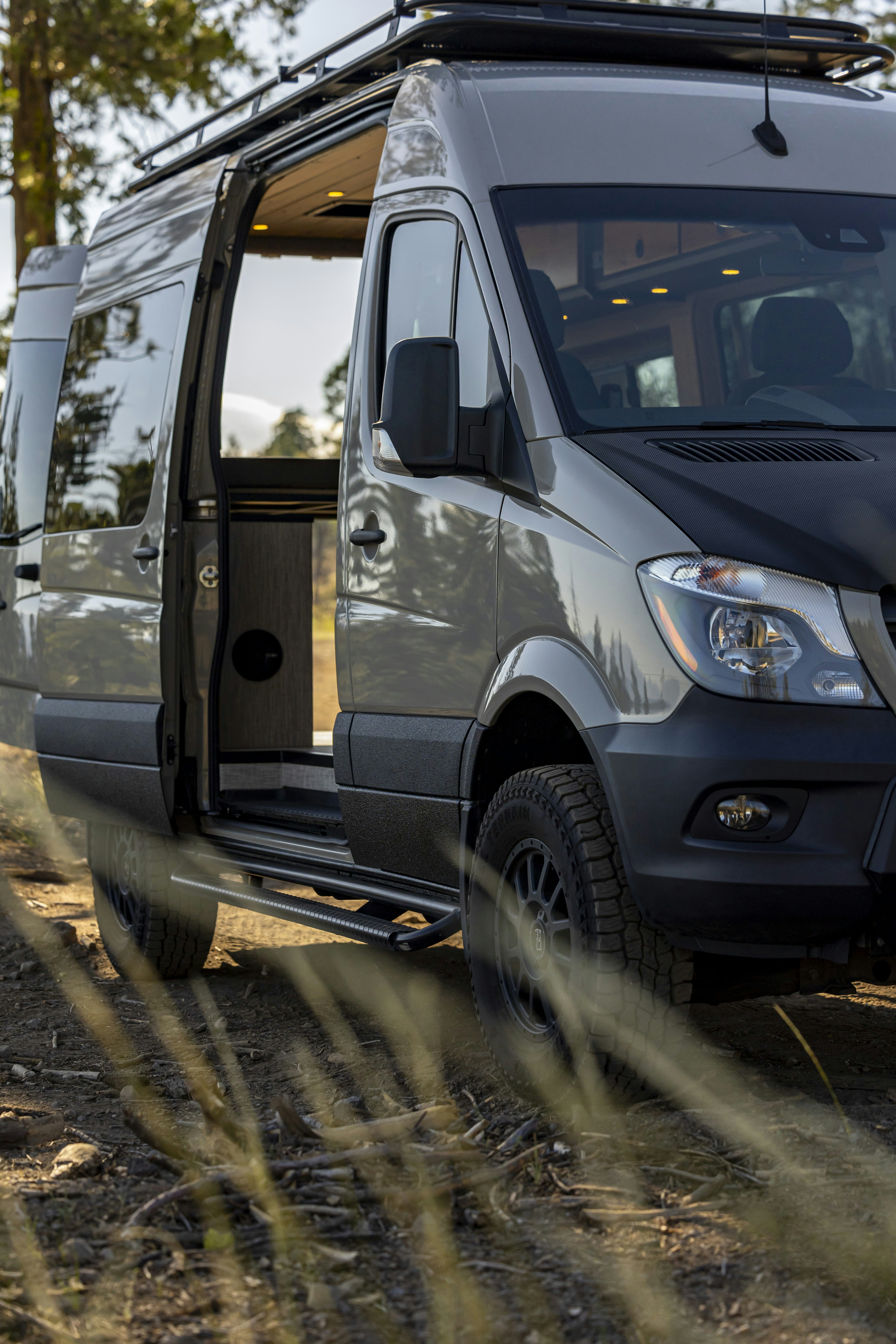
Lastly, camper vans offer an agile and compact solution for travelers seeking adventure without the cumbersome feel of larger RVs. These vehicles are easy to maneuver and can be parked almost anywhere, making them ideal for urban exploration. However, the limited space may not suit everyone’s needs, particularly for families or long trips. By recognizing the characteristics of each RV type, newcomers can better align their choices with their travel patterns and personal preferences.
Key Features to Look For in an RV
For first-time RV buyers, selecting the right vehicle involves understanding several key features that can significantly impact both the travel experience and overall satisfaction. One of the most critical aspects to consider is the size of the RV. This consideration extends beyond just fitting into campgrounds; it encompasses the living space required for your family or travel companions. A compact RV might be easier to drive and park, while a larger one may provide more comfort and amenities during extended trips.
Relatedly, the weight of the RV is another crucial factor, particularly if you plan to tow it. It’s essential to check the weight limit of your towing vehicle to ensure safe and efficient travel. First-time buyers should also assess the sleeping capacity of the RV. An adequate sleeping area is vital for a good night’s rest, so consider how many people will regularly use the RV and look for models that comfortably accommodate those numbers.
Amenities play a significant role in enhancing the comfort of your RV. Buyers should evaluate features such as kitchens, bathrooms, and entertainment options, as well as climate control systems, which can make trips enjoyable regardless of the weather. Fuel efficiency is another important consideration; with the rising cost of fuel, choosing an RV that maximizes miles per gallon can result in substantial savings during long road trips.
When contemplating a purchase, newcomers must also decide whether to buy new or used. New RVs come with warranties and the latest features, while used RVs are typically more budget-friendly. However, purchasing a used RV requires careful inspection to avoid potential issues. Setting a budget that accounts for both the initial purchase and ongoing maintenance costs will ensure a satisfactory investment in your RV journey.
Tips for Choosing the Right RV for Your Needs
Selecting the right recreational vehicle (RV) can be a daunting process, particularly for newbies. However, considering a few key factors can assist in making a well-informed choice. First and foremost, assess your travel style. Are you planning long road trips or weekend getaways? If your travel style leans towards the latter, a smaller RV or camper may suffice. Larger families, conversely, may benefit from a Class A or Class C motorhome, which provides ample living space and amenities.
Family size is another critical consideration. It is essential to account for the number of individuals who will be traveling with you regularly. Larger RVs offer additional sleeping capacities and might have features such as bunks, which significantly enhance comfort during long journeys. Remember to take into account not just sleeping arrangements, but also dining and living space required for comfortable family interactions while on the road.
Next, consider the intended destinations. Will you be visiting national parks, campgrounds, or urban areas? Some RV models are better suited for specific terrains or distance travel, so choose one that aligns with your travel aspirations. For instance, a lightweight travel trailer may be more versatile for visiting multiple destinations compared to a heavier fifth-wheel option.
Lastly, how often do you intend to use the RV? Newbies may prefer a model that is easier to maintain and operate. Occasional users might explore options that require less commitment, while those who plan to live or travel full-time could consider investing in a more robust model with better living facilities. Careful evaluation of these factors will lead to a more satisfactory RV selection tailored to your specific needs.
Best RV Models for Beginners
When it comes to selecting the best RV models for beginners, multiple options cater to different preferences and budgets. Here’s a curated list of recommended RVs that are particularly suitable for newcomers to RVing.
1. Forest River Rockwood Mini Lite
The Forest River Rockwood Mini Lite series presents a lightweight travel trailer perfect for beginners. With a dry weight ranging between 3,000 to 4,500 pounds, it can be towed by many mid-sized vehicles. This model features a well-equipped kitchen, cozy sleeping quarters, and effective insulation for year-round camping. Its compact size and user-friendly design make it an excellent choice for novices.
2. Jayco Jay Flight
Renowned for its stability and ease of use, the Jayco Jay Flight is a traditional travel trailer favored by many first-time RV owners. It boasts residential-style amenities, such as ample cooking space and comfortable bedding. The model’s sturdy construction ensures safety on the road, and its thoughtful layout maximizes space, making it suitable for small families or couples.
3. Winnebago Travato
Ideal for those seeking a camper van experience, the Winnebago Travato pairs compact dimensions with excellent functionality. This model offers all the comforts of home, including a bathroom and kitchenette, while being easy to maneuver in urban settings. Its durability and efficient design make it popular among beginners looking for versatility.
4. Thor Motor Coach Freedom Elite
The Thor Freedom Elite is a class C motorhome that provides a blend of accessibility and comfort. With larger seating areas and cab-over beds, this RV is designed for stress-free family trips. Its straightforward operation makes it particularly appealing to new RVers, providing an instant feeling of belonging on the road.
By examining these popular models, new RV users can find a unit that aligns with their travel style, functionality requirements, and budget considerations, ensuring a smoother introduction to the RV lifestyle.
Financing and Budgeting for Your First RV
Purchasing an RV can be an exciting but financially daunting venture for newcomers to the world of recreational vehicles. Understanding how to budget effectively is crucial to ensure that your investment does not lead to unexpected financial strain. Begin by determining a realistic budget that encompasses the full spectrum of costs associated with owning an RV.
When budgeting, consider not only the purchase price of the RV but also additional expenses that will arise over time. These ongoing costs include maintenance and repairs, which can vary significantly depending on the make and model of the vehicle. Regular maintenance will help ensure the longevity of your RV, so allocate a portion of your budget specifically for these necessary expenses.
Financing options for RV purchases are diverse and warrant careful consideration. Many potential buyers opt for loans specifically designed for RVs, which may offer varying interest rates and terms. It is beneficial to shop around to find the best financing option that aligns with your financial situation. Some lenders may allow for extended repayment terms, which can help manage monthly payments, yet it is essential to be aware of the total cost of borrowing over the long term.
Moreover, new RV owners must also factor in miscellaneous operational costs, such as fuel expenses, insurance premiums, and campsite fees. Fuel costs can fluctuate significantly based on travel frequency and the size of the RV. Therefore, estimating your travel habits is crucial for accurate budgeting.
In conclusion, making a financially sound decision when purchasing your first RV entails thorough budgeting and an understanding of available financing options. By carefully evaluating the total cost of ownership — including purchase price, ongoing costs, and interest on financing — you can enjoy the wonders of RV travel without facing unmanageable financial burdens.
Essential RV Accessories and Gear for Beginners
As new RV owners embark on their adventures, having the right accessories and gear can significantly enhance their experience. This section outlines the indispensable items that every beginner should consider for a smooth and enjoyable journey.
First and foremost, leveling blocks are a must-have. Using these blocks ensures that your RV is stable and level, which is crucial for maintaining comfort and proper function of appliances while parked. They are easy to use and come in various sizes, making them adaptable to different RV types.
Next, a quality water hose is essential for connecting to campground water supplies. It’s recommended to use a food-grade hose to ensure that the water consumed is safe. Additionally, carrying a water filter can enhance the quality of the water, providing you with peace of mind while you enjoy your travels.
The importance of kitchenware should not be overlooked. Having the right pots, pans, and utensils will allow for meal preparation while on the road. Consider compact and easily stackable items to save space in limited RV kitchens. Don’t forget the necessary dishware, including plates, cups, and cutlery, which should also be lightweight and durable.
In the realm of safety equipment, a first aid kit is non-negotiable. Ensure that it is stocked with essential items such as bandages, antiseptics, and any personal medications. Additionally, a fire extinguisher should be easily accessible in case of emergencies.
Finally, consider investing in outdoor mats and chairs for added comfort around your campsite. These items enhance your relaxation experience when you set up camp. By equipping your RV with these essential accessories and gear, you will be well-prepared to handle the joys and challenges of RVing.
Preparing for Your First RV Trip
Embarking on your first RV trip can be an exciting yet daunting experience. To ensure that you have a smooth and enjoyable journey, proper preparation is essential. Start by planning your route carefully. Utilize map applications or RV-specific navigation tools to identify the best roads for your vehicle, considering factors like height restrictions and road conditions. Additionally, it is wise to plan your driving schedule and know how long you intend to travel each day.
Next, preparing for the campsite is crucial. Before you head out, make a checklist of items you need to bring, such as cooking utensils, bedding, and any other personal necessities. Familiarize yourself with your RV’s features, including its water, electricity, and propane systems, so you can set up efficiently upon arrival. Understanding the amenities available at your chosen campground can also help you tailor your packing list to ensure you are fully equipped.
Making reservations ahead of time is another important step in the planning process. Popular campsites can fill up quickly, so securing a spot before your journey is advisable, especially during peak travel seasons. Websites and apps that specialize in RV campgrounds can streamline this process, allowing you to compare options easily.
Additionally, familiarize yourself with RV campground etiquette to ensure a pleasant experience for both you and your fellow campers. This includes respecting quiet hours, maintaining cleanliness, and following any specific rules set by the campground. Understanding these norms not only enhances your own experience but also promotes a sense of community within the campground. Taking these steps will prepare you for a successful first RV trip, making your adventure both enjoyable and memorable.
Conclusion and Encouragement for New RV Owners
Embarking on an RV journey is not just about traveling; it’s about embracing a lifestyle filled with freedom, adventure, and unforgettable experiences. For those new to the RV world, the prospect of hitting the open road can be both exhilarating and daunting. However, it is essential to remember that every expert was once a beginner, and the key to mastering RV travel lies in continuous learning and exploration.
New RV owners should take comfort in the fact that they are entering a vibrant community enriched by diverse experiences and shared knowledge. There are countless opportunities for adventure, whether exploring serene national parks, relaxing at picturesque campsites, or discovering hidden gems in small towns. The flexibility offered by RV travel allows individuals and families to create personalized itineraries and to make spontaneous decisions that enhance the journey.
As you prepare for your RV adventures, consider seeking out resources that can aid in your journey. Joining online forums, attending RV shows, or participating in local meet-ups can provide invaluable insights and advice. These platforms are excellent for connecting with seasoned RV enthusiasts who can share tips, recommendations, and best practices that will enhance your travel experience.
Ultimately, the world of RVing beckons with the promise of adventure and discovery. Whether you are planning weekend getaways or extended road trips, the memories created along the way will last a lifetime. Therefore, gather your essentials, plan your route, and let the spirit of adventure guide you on this exciting new venture!