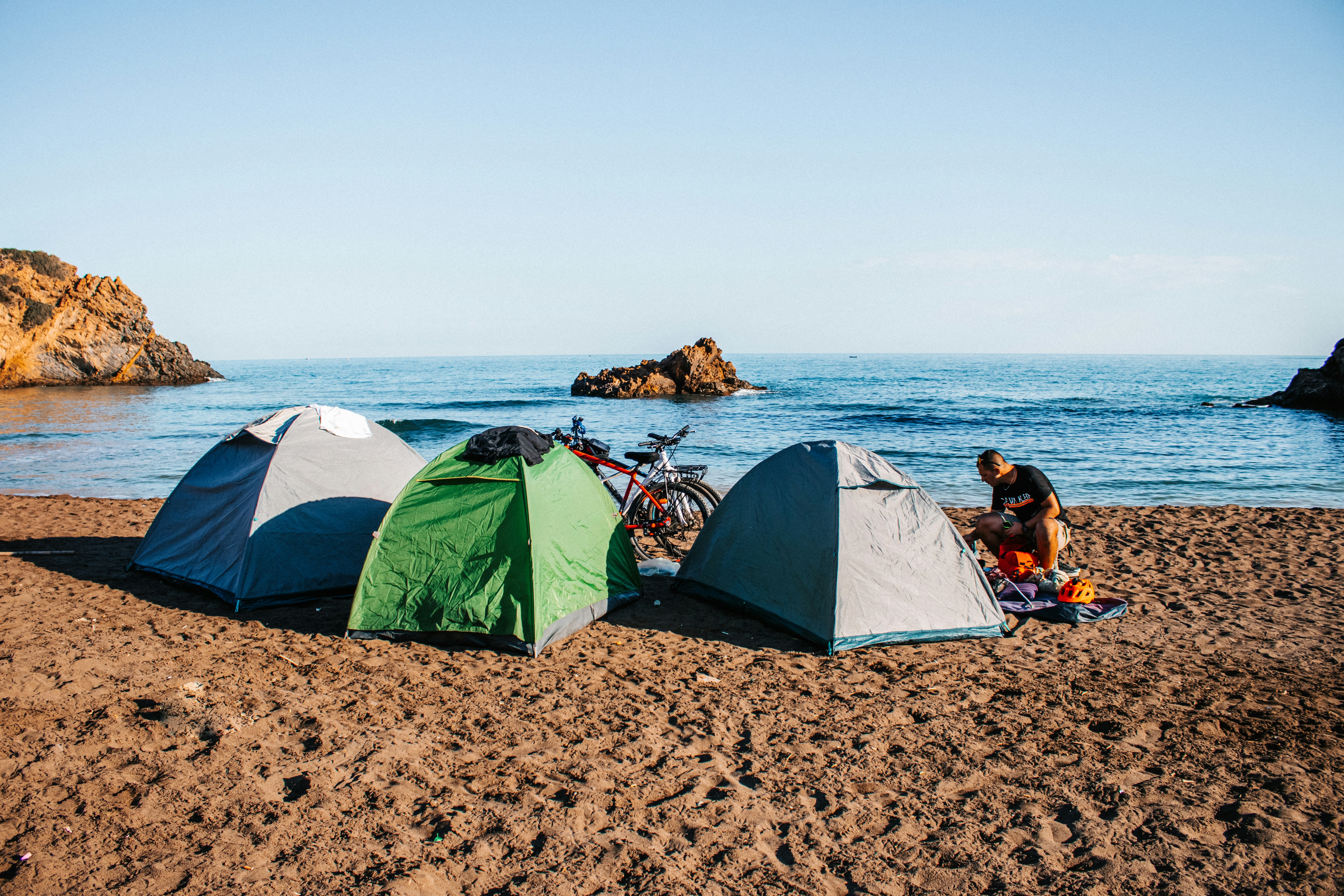
Introduction to Beach Camping
Beach camping has become an increasingly popular outdoor activity, alluring countless adventurers with its unique charm. Nestled between the crashing waves and the warm sand, beach camping provides a harmonious blend of the ocean’s beauty and the serenity of nature. The allure of listening to the rhythmic sound of waves while breathing in the salty ocean air is unparalleled, making it an attractive choice for families, friends, and solo travelers alike.
Moreover, being close to the ocean opens up a myriad of outdoor activities that enhance the camping experience. From swimming, sunbathing, and beach volleyball to kayaking and fishing, the seaside offers diverse options for recreation. Such activities not only foster a deep appreciation for nature but also provide opportunities for bonding moments with loved ones. Additionally, beach camping allows travelers to experience breathtaking sunsets and starry nights while feeling the cool ocean breeze.
However, the beauty of beach camping does not come without its challenges. Factors such as wind, sand, and sun exposure require careful planning and preparation to ensure a safe and enjoyable experience. Proper gear is essential to protect campers from the elements, as the beach environment can be unpredictable. High winds may lead to sand getting everywhere, while the sun’s rays can be harsh, necessitating sun protection and shade solutions. Thus, being well-prepared for these potential challenges is key to ensuring a memorable beach camping trip.
In conclusion, the experience of beach camping is a captivating blend of relaxation and adventure. With an intimate connection to nature and a plethora of outdoor activities at hand, it invites campers to unwind and create lasting memories. However, prudent preparation, particularly with regard to the elements, is vital to fully enjoy every facet of this unique outdoor experience.
Understanding the Challenges of Beach Camping
Beach camping offers a unique experience that combines the joy of nature with the soothing sounds of the ocean. However, it also presents specific challenges that campers must be prepared to face. High winds are a common occurrence along coastlines, making it crucial for campers to select durable tents and gear designed to withstand these conditions. Tents that are well-designed for wind resistance and those with low profiles can improve stability and prevent unfortunate collapse during gusty weather.
Sandy environments further complicate beach camping. Sand can easily infiltrate tents, gear, and food supplies if not properly managed. Therefore, choosing items like sand-proof bags and containers can help protect valuables from the fine grains that often find their way into everything. Additionally, it is advisable to utilize gear features that allow for easy cleaning, ensuring a more enjoyable camping experience.
Intense sun exposure is another factor that beach campers need to contend with. The ultraviolet rays are often intensified by the reflective properties of sand and water, leading to a higher risk of sunburn. As such, specialized gear such as UV-protective clothing, wide-brimmed hats, and sunscreen is essential for safeguarding skin and ensuring a safe outdoor experience. Furthermore, utilizing shaded areas or pop-up canopies can provide relief from direct sunlight during the hottest part of the day.
Given these challenges—high winds, sandy conditions, and intense sun exposure—investing in the right beach camping gear is not merely a matter of comfort; it is vital for ensuring safety and enjoyment. Understanding these elements can help campers prepare adequately, turning potential obstacles into enjoyable memories by choosing the right equipment.
Essential Beach Camping Gear Overview
Beach camping requires specific gear to ensure a comfortable and safe experience while enjoying the sun, sand, and surf. To navigate the unique challenges posed by this environment, campers should prepare adequately with a selection of essential items tailored to protect against wind, sand, and sun.
A key component of any beach camping setup is the tent. Look for tents designed for beach conditions; these should be wind-resistant and easy to set up on sandy terrain. A tent with a built-in sandbag feature can provide stability during blustery days. Additionally, a tent that offers UV protection is crucial to safeguard against the sun’s harmful rays.
Next, sleeping gear should not be overlooked. A portable sleeping pad or an air mattress is recommended, as they provide insulation from the ground and comfort during warm summer nights. Sleeping bags that are rated for warmth and equipped with features to repel moisture can also enhance the overall camping experience.
Cooking equipment plays a vital role in beach camping. A compact, portable grill or stove will allow campers to prepare meals with ease. Windshields for stoves are essential in preventing flame extinguishment in breezy conditions. It is also prudent to have durable, non-sandy cookware and utensils, which can withstand beach activities and minimize cleanup.
Lastly, safety items should be prioritized in any beach camping gear checklist. A first-aid kit, sunscreen, and insect repellent are must-haves to protect against potential hazards. Bringing a reliable, portable water filtration system is also wise, ensuring access to clean drinking water without the risks associated with consuming untreated beach water.
For an enjoyable and stress-free beach camping experience, investing in high-quality gear is essential. Each of these categories—tents, sleeping gear, cooking equipment, and safety items—plays a crucial role in ensuring that your beach camping adventure is both memorable and safe.
Choosing the Right Tent for Beach Conditions
When it comes to beach camping, selecting the right tent is crucial to ensure comfort and safety against the elements. The most significant factors to consider include wind resistance, sand stability, ventilation, and ease of setup. An ideal beach tent should not only provide shelter from the sun but also withstand strong winds that are often prevalent in coastal areas.
Firstly, the structure of the tent plays a vital role in its capability to resist wind. Look for aerodynamically designed tents with a low profile, as these minimize wind resistance. Additionally, tents constructed with durable materials such as fiberglass or aluminum poles are preferred, as they provide the necessary strength against gusty conditions. A tent with a sturdy rainfly can also offer extra protection from wind and potential rain.
Another essential aspect is the tent’s anchoring system. Tents designed for beach use often come with sand pockets or stakes that can be buried in the sand, ensuring better stability. Tents equipped with guy lines can be secured to pegs or anchored in other ways, enhancing their resilience against strong winds.
Ventilation is crucial for a comfortable experience, especially in warm weather. Choosing a tent with multiple mesh windows or vents will allow for proper air circulation while keeping sand and insects out. Size is also an important consideration; it is advisable to select a tent that offers enough space for the occupants and gear, without being overly bulky, which could make setup in sandy areas challenging.
Finally, the ease of setup cannot be overlooked. Opt for tents that are easy to pitch and dismantle, ideally those with color-coded poles and quick-setup designs. This feature is particularly useful when dealing with beach sand, allowing campers to set up quickly to escape the sun.
Sleeping Comfortably on the Sand
When camping at the beach, achieving a restful night’s sleep on sandy terrain can present unique challenges. Choosing the right sleeping gear is essential for comfort and support while minimizing the discomfort typically associated with sleeping on the beach. Various sleeping options can enhance your experience, including sleeping bags, air mattresses, and camping pads.
Sleeping bags designed for warmer climates are particularly beneficial. They generally feature breathable materials, allowing for improved ventilation against humidity and warmth. Look for a sleeping bag that is lightweight and packs down easily for convenient transport to the beach. In addition, a sleeping bag with a hood can provide extra warmth and protection from sand and wind, making it a practical option for nights by the shore.
Air mattresses are another excellent choice for beach camping, as they offer a cushioned surface to sleep on. When selecting an air mattress, consider opting for a raised design to avoid direct contact with the sand. A mattress with a built-in pump is also advantageous, enabling effortless inflation and deflation after use. To maximize comfort, look for air mattresses with stability features that prevent sinking. Additionally, a fitted sheet can be used to provide extra comfort and keep sand at bay.
Camping pads are a versatile option that strikes a balance between compactness and comfort. Closed-cell foam pads, for instance, offer insulation and a protective layer against the ground, making them suitable for sandy environments. They can be easily carried and provide sufficient support, particularly when combined with a sleeping bag or blanket for added comfort.
In summary, enhancing sleeping comfort on the beach involves selecting the right gear. Whether it’s a breathable sleeping bag, a raised air mattress, or a versatile camping pad, each option plays a role in ensuring a restful night, allowing you to fully enjoy your beach camping experience.
Cooking Gear for Beach Campers
Cooking while beach camping can enhance the overall experience, providing delicious meals amidst breathtaking scenery. However, it requires specific gear that can withstand wind, sand, and moisture. A portable stove is an essential piece of cooking gear for any beach camper. Opt for models designed to be lightweight and resistant to the coastal elements. Gas canister stoves are typically favored for their ease of use and efficiency, while some campers may choose multi-fuel stoves for versatility.
In addition to a portable stove, a reliable cook set is vital. A compact cookset that includes pots, pans, and cooking utensils is ideal for beach camping. Look for materials that are durable and lightweight, such as aluminum or titanium, which resist corrosion from saltwater. Non-stick surfaces can also simplify cleaning, a necessary feature when dealing with sand or sticky residues.
Furthermore, consider acquiring wind shields designed specifically for cooking outdoors. These accessories protect the flame from breezy coastal conditions, ensuring consistent cooking temperatures. Safety should always be a priority; when cooking on the beach, ensure your stove is placed on a stable, flat surface away from flammable materials. Bring a fire extinguisher or a bucket of water or sand for emergencies.
Meal preparation at the beach can be flexible. Pre-packaged, lightweight meal kits are great options; however, consider prepping a few ingredients at home to reduce the hassle on-site. Bringing pre-chopped vegetables or marinated proteins can reduce cooking time and the amount of equipment needed.
Utilizing a cooler will also aid in keeping perishables fresh, enabling longer outings without compromising food safety. Following these strategies and ensuring you have the right cooking gear can lead to successful and enjoyable meals while beach camping.
Sun Protection Strategies
When engaging in beach camping, effective sun protection is essential to guard against harmful ultraviolet (UV) rays. Exposure to the sun without proper protection can lead to severe sunburn and heat exhaustion, compromising an enjoyable outdoor experience. Thus, integrating effective strategies and utilizing appropriate gear is imperative for all campers.
One of the primary methods for safeguarding your skin is through the liberal application of sunscreen. It is advisable to select a broad-spectrum sunscreen with an SPF of 30 or higher. This ensures protection against both UVA and UVB rays. It should be applied generously to all exposed skin areas at least 30 minutes before sun exposure and reapplied every two hours, or immediately after swimming or sweating.
In addition to sunscreen, wearing a wide-brimmed hat helps shield the face, neck, and ears from direct sunlight. A hat with a brim of at least three inches is generally recommended to provide optimal coverage. Furthermore, lightweight, long-sleeved UPF (Ultraviolet Protection Factor) clothing can offer an additional layer of protection. These garments are specifically designed to block out UV radiation while remaining breathable and comfortable in heat.
Creating shaded areas is another effective strategy for sun protection. Utilizing beach umbrellas or popup tents can provide relief from the sun’s harsh rays, allowing campers to enjoy the outdoors without constant exposure. Additionally, it is advisable to seek shaded spots under trees or cliffs when available. During peak sunlight hours, generally between 10 a.m. and 4 p.m., it is recommended to minimize direct exposure. Engaging in activities during cooler hours can significantly reduce the risks associated with sun exposure.
Implementing these sun protection strategies not only helps prevent sunburn but also ensures an enjoyable and safe beach camping experience, allowing you to focus on creating lasting memories.
Windbreaks and Sand Barriers
When setting up a beach campsite, managing wind and sand is crucial to ensuring a comfortable experience. Windbreaks and sand barriers can significantly enhance the quality of your stay by protecting against harsh elements and preventing sand from intruding into your space.
One effective approach to creating natural windbreaks involves making use of the environment. Plant life such as bushes and trees can serve as effective barriers. If your site has vegetation, it is advisable to position your tent or campsite behind a line of sturdy shrubs or dunes. This not only provides shelter from strong winds but also offers some privacy.
In the absence of natural barriers, portable windbreak solutions can be employed. Tarps, particularly those designed with sturdy grommets and reinforced edges, can be strung up between poles or trees to form a barrier against wind. It is advisable to choose a tarp that is lightweight yet durable enough to withstand beach conditions. Look for options that are also water-resistant to serve dual purposes during sudden rain showers.
In addition to tarps, specialized windbreak systems are available that come with built-in poles and quick-setup features. These systems are designed for extreme conditions and are easily transportable, making them perfect for any beach camper. Consider products that include sand anchors to secure the windbreaks effectively in loose sand.
Furthermore, beach windshields made from telescopic rods and fabric can provide instant protection from both the wind and intrusive sand. They’re typically compact, allowing for easy packing and transportation. By utilizing these various windbreak strategies and gear, you can create a more comfortable camping environment that minimizes the discomfort of beach conditions, ensuring your time spent outdoors is enjoyable and stress-free.
Conclusion and Final Tips
Beach camping provides a unique opportunity to immerse oneself in nature while enjoying the soothing sounds of the waves and the warmth of the sun. The right gear plays an essential role in enhancing this experience, allowing campers to fully appreciate their time by the shore. From tents designed to withstand strong winds to sand anchors that keep belongings secure, adequate preparation can make a significant difference in comfort and enjoyment.
As you consider your next adventure, remember that experimenting with different gear can lead to discovering personal preferences that enhance your beach camping experience. For instance, the selection of cookware, coolers, and portable chairs can transform mealtimes into memorable gatherings. Similarly, exploring various sun shelters could provide that needed refuge from the heat, ensuring that your outdoor experience remains enjoyable.
Respecting the natural environment is paramount when camping on the beach. Adhering to Leave No Trace principles by properly disposing of waste, avoiding fire hazards, and remaining aware of marine wildlife protects these beautiful ecosystems. This practice not only preserves the area for future visitors but also reflects a commitment to safeguarding the places we cherish as outdoor enthusiasts.
Ultimately, beach camping is about connection — with nature, fellow campers, and oneself. Embracing the simplicity and beauty of the beach invites relaxation and reflection. Remember to take time to enjoy the vibrant sunrises and sunsets that paint the sky, indulge in the warmth of a beach bonfire, and create lasting memories with loved ones.