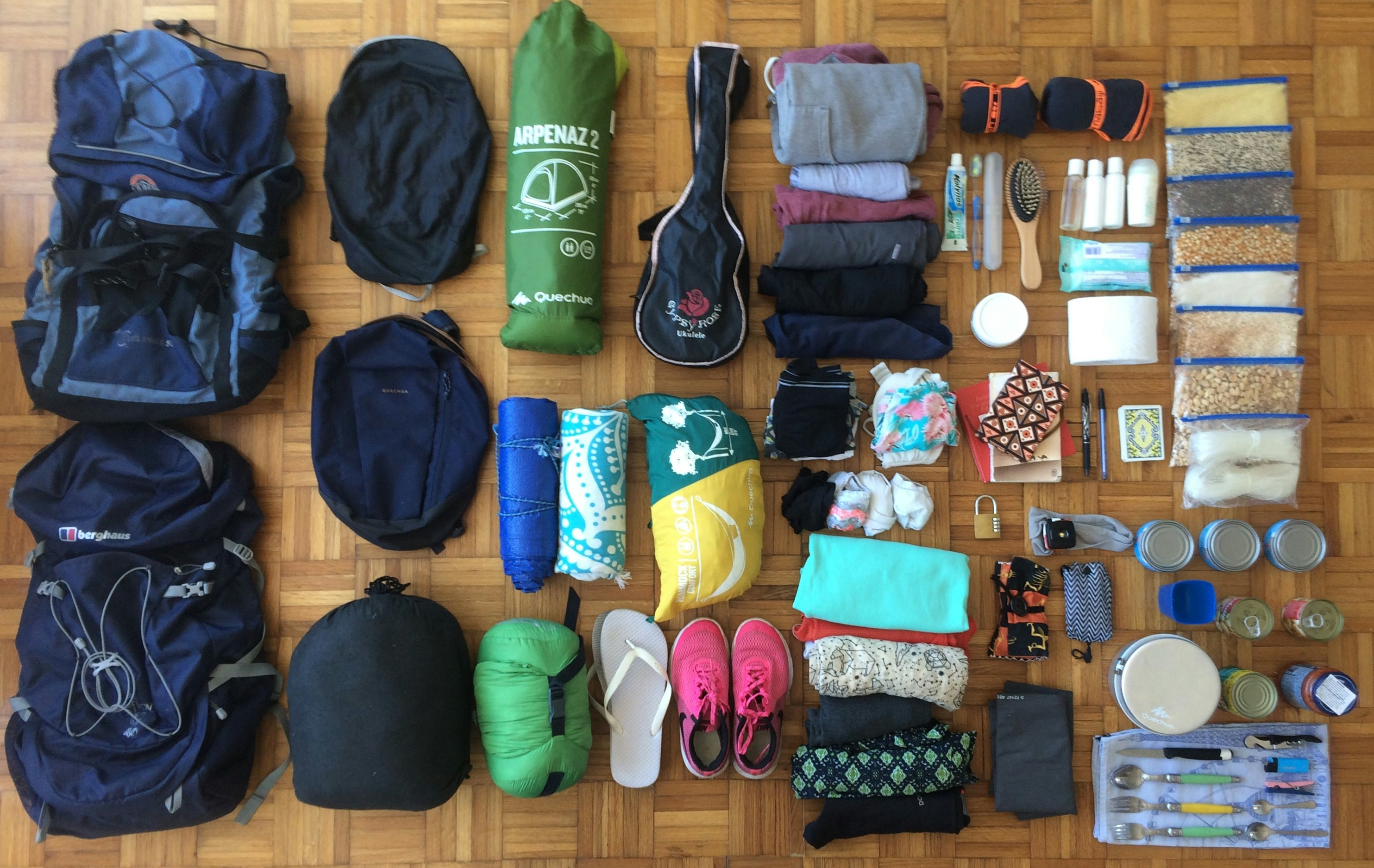
Introduction to Camping Gear
When embarking on a camping adventure, the right gear is paramount to ensuring a positive and enjoyable experience. Camping gear encompasses a wide variety of tools and equipment, from tents and sleeping bags to cooking utensils and navigational aids. For beginners, an adequate understanding of essential camping gear is crucial as it can significantly reduce stress and enhance the overall enjoyment of immersing oneself in nature.
Choosing the appropriate camping gear before heading out can greatly influence the ease and comfort of the experience. For instance, selecting a suitable tent that provides adequate protection from weather elements, while also being user-friendly for novice campers, is vital. Additionally, a sleeping bag that is properly rated for the expected temperature can ensure a good night’s sleep, which is essential for maintaining energy and enthusiasm during outdoor activities.
The wide array of camping gear available on the market can be overwhelming for beginners. However, understanding which items are truly essential can simplify the selection process. Key items to consider include cooking gear, which may vary from portable stoves to lightweight cookware; personal safety equipment, which ranges from first-aid kits to flashlights; and navigation tools, such as maps and compasses. By honing in on these categories, novice campers can make informed decisions that align with their specific needs and camping objectives.
Ultimately, possessing the right camping gear not only facilitates a smooth escapade but also bolsters one’s confidence in the wilderness. By being well-prepared, beginners will find themselves better equipped to embrace the great outdoors, making memorable experiences with their newfound skills and gear choices. In conclusion, selecting essential camping gear is key for beginners to ensure an enjoyable and stress-free outdoor experience.
The Essentials: What You Truly Need
For those venturing into the outdoor realm for the first time, understanding the fundamental camping gear is crucial for both comfort and safety. Certain items are not merely optional; they are essentials that every beginner camper needs to ensure an enjoyable experience.
First and foremost is the tent. A reliable tent provides shelter, privacy, and protection from the elements. When selecting a tent, consider its size, weight, and ease of setup, especially if you’re hiking to your camping site. A quality tent will help regulate your temperature and provide a cozy environment where you can rest after a day of exploration.
Next on the list is a sleeping bag, which is vital for ensuring a good night’s sleep even amidst the great outdoors. Look for a sleeping bag that fits the climate in which you will be camping. For colder conditions, a bag with a lower temperature rating is essential to help retain warmth. Additionally, consider factors like insulation type and weight, as these will influence your comfort and packability.
Cooking gear is another fundamental component of any camping setup. At a minimum, beginners should invest in a portable camp stove, cooking utensils, and a set of mess kits. Cooking equipment enables you to prepare meals, which are not only enjoyable but can also be a vital source of energy while engaging in outdoor activities. Lightweight cookware and utensils designed specifically for camping make preparation and cleanup hassle-free.
Ultimately, prioritizing these essential items—tent, sleeping bag, and cooking gear—will facilitate a positive and memorable camping experience. By focusing on quality and functionality, newcomers to camping can establish a solid foundation for their adventures, ensuring both safety and comfort in the wilderness.
Choosing the Right Tent
When embarking on your first camping adventure, selecting the appropriate tent is paramount to ensuring a comfortable and enjoyable outdoor experience. The right tent not only provides shelter but also serves as a personal space where you can relax and recharge. Numerous factors come into play when choosing a tent, and understanding these can help beginners make informed decisions tailored to their specific camping style.
One of the primary considerations is the size of the tent. Tent sizes are typically specified by the number of people they can accommodate. It is wise to choose a tent that not only fits the expected occupants but also allows for additional space for gear and comfort. For example, while a tent identified as a two-person model may fit two sleeping bags, it may be cramped when factoring in equipment. Opting for a larger tent can enhance comfort, especially for beginners accustomed to less confined spaces.
Additionally, tents are categorized based on seasonal usability, primarily between three-season and four-season tents. A three-season tent is designed to provide sufficient protection against the elements during spring, summer, and fall, and they typically prioritize ventilation and lightweight materials for ease of transport. In contrast, a four-season tent is constructed to withstand harsher winter conditions, featuring sturdier materials and a design that can handle snow and high winds. For beginners planning to camp mainly in mild weather, a three-season tent is generally more suitable.
Lastly, the ease of setup is another critical factor, particularly for individuals new to camping. Some tents come with a simpler pole structure or instant pop-up features, making them more user-friendly. Ensuring that the tent can be set up quickly and without extensive experience will significantly enhance the overall camping experience. Beginners should therefore look for tents with clear assembly instructions and minimal components required for setup.
Sleeping Bags and Sleeping Pads Explained
When embarking on a camping trip, a good night’s sleep can significantly impact your overall experience. This is where sleeping bags and sleeping pads come into play. Choosing the right sleeping bag requires an understanding of materials, temperature ratings, and portability.
Sleeping bags are typically insulated with down or synthetic materials, each offering distinct advantages. Down sleeping bags are known for their exceptional warmth-to-weight ratio. They are incredibly packable, making them a favorite among backpackers. However, they perform poorly in wet conditions, as moisture compromises the insulation efficiency. On the other hand, synthetic sleeping bags retain insulating properties even when damp, making them a more reliable option for wet environments, though they can be bulkier and heavier.
Temperature ratings are another critical factor in selecting a sleeping bag. Most sleeping bags feature a comfort rating, which indicates the lowest temperature at which a sleeper can remain comfortable. Beginners should consider a bag rated for a temperature range that encompasses the conditions expected during their trip. It is advisable to select a sleeping bag with a lower temperature rating than the expected conditions to ensure adequate warmth.
In addition to the sleeping bag, a sleeping pad provides essential cushioning and insulation from the cold ground. Sleeping pads come in various types, including inflatable, foam, and self-inflating options. Inflatable pads offer significant comfort and packability but require careful handling to avoid punctures. Foam pads are durable and provide decent insulation; however, they can be bulky. Self-inflating pads combine both foam and air qualities, offering convenience alongside comfort. For beginners, selecting a sleeping pad that balances weight, comfort, and insulation is essential for enhancing the sleep experience while camping.
Cooking Gear: The Basics You Need
When embarking on your camping adventure, having the right cooking gear is essential for preparing and enjoying meals in the great outdoors. With limited resources available, optimizing your kitchen setup enhances the overall camping experience and ensures you enjoy warm, nourishing meals after a day of exploring.
Portable stoves are a must-have for any beginner camper. They are convenient, lightweight, and can be powered by propane or butane canisters. These stoves typically come with adjustable flame controls, allowing you to simmer soups or boil water with ease. For those who prefer a more traditional method, a camping grill can also serve a dual purpose, providing both cooking and heating functions, ideal for grilling your favorite meats and vegetables.
In addition to a stove, investing in a quality set of cookware is critical. Compact pots and pans made from aluminum or stainless steel are popular due to their durability and lightweight nature. Look for nesting cookware sets that can easily be stored together, maximizing space in your pack. Non-stick materials can also make cleanup significantly easier, providing both efficiency and effectiveness during your camping trip.
Utensils play a vital role in meal preparation and consumption while camping. A multipurpose tool that includes a can opener, knife, and fork can save space and weight. Additionally, including basic items such as spatulas, tongs, and plates ensures you have everything you need to cook and enjoy your meals. Disposable options can simplify cleanup but consider reusable alternatives for an eco-friendly approach.
Overall, by selecting the right combination of cooking gear, campers can create flavorful meals that enhance their outdoor experience. Focusing on lightweight, compact items allows beginners to explore confidently while also enjoying delicious food in nature.
Clothing and Footwear for Camping
When embarking on a camping trip, the importance of appropriate clothing and footwear cannot be overstated. Selecting the right attire ensures that campers stay comfortable and protected from the elements throughout their outdoor adventure. It is vital to wear weather-appropriate layers, as temperatures can fluctuate significantly during a camping trip, especially between day and night.
A key aspect of dressing for camping is utilizing moisture-wicking materials. These fabrics draw sweat away from the body, helping to regulate body temperature and keep the skin dry. By choosing clothing made from synthetic fibers or merino wool, campers can effectively manage moisture, reducing the risk of hypothermia or discomfort from dampness. Layering provides versatility; starting with a moisture-wicking base layer, adding an insulating layer, and finishing with a waterproof outer layer helps to create a protective barrier against varying weather conditions.
In addition to suitable clothing, proper footwear is essential for navigating the great outdoors safely. Sturdy, supportive hiking boots or shoes are recommended for camping trips, as they provide necessary traction and protect the feet from rocks, roots, and other hazards commonly found on trails. Choosing footwear that is breathable and waterproof can enhance comfort, especially when tackling wet or rugged terrain. It is advisable to break in new shoes before the trip to prevent blisters and ensure a comfortable fit.
Furthermore, accessories such as hats, gloves, and scarves should not be overlooked. They offer added protection from sunlight, wind, and cold temperatures. Overall, selecting the right clothing and footwear is crucial not just for comfort but also for safety during a camping experience.
Safety Gear: Don’t Camp Without It
When venturing into the wilderness, ensuring your safety is paramount, especially for novice campers. The right safety gear can significantly enhance your outdoor experience and help you manage unforeseen circumstances effectively. Below are essential items that should be in every beginner’s camping kit.
A well-stocked first-aid kit is one of the most crucial components of your safety gear. This kit should include items like adhesive bandages, antiseptic wipes, gauze, adhesive tape, pain relievers, and any necessary personal medications. It’s advisable to customize your first-aid kit according to your specific needs and those of your companions. Familiarizing yourself with basic first-aid procedures is also beneficial, as it empowers you to respond confidently in case of an emergency.
Another vital item is a flashlight or a headlamp, which is essential for navigation and tasks after dark. Opt for LED flashlights, as they are energy-efficient and provide brighter illumination. It’s wise to carry extra batteries to ensure your light source remains operational throughout your camping trip. Additionally, incorporating glow sticks can serve as a backup and improve visibility in low-light settings.
Navigation tools play a critical role in ensuring you stay oriented during your outdoor endeavors. A reliable map of the area, along with a compass or a GPS device, can help prevent disorientation. It’s important to know how to interpret your map and utilize your compass effectively. Consider dedicating some time to learn basic navigation skills before your trip, as this knowledge increases your confidence in wilderness travel and enhances your overall safety.
In conclusion, safety gear is indispensable for any camping trip, particularly for beginners. By equipping yourself with a first-aid kit, reliable lighting, and navigation tools, you can create a safer camping experience that allows you to enjoy the beauty of nature without compromising your well-being.
Optional Gear: Making Camping Easier
While the essential camping gear provides the foundation for a successful outdoor adventure, optional items can significantly enhance the overall experience. Many campers find that certain non-essential items not only increase comfort but also contribute to a more enjoyable trip. Understanding these additional gear options can help beginners tailor their packing lists to suit their preferences.
Camping chairs are one of the most popular optional items among outdoor enthusiasts. These portable seating solutions offer a comfortable place to relax around the campfire or during a break on the trail. Lightweight and compact designs make them easy to carry, allowing for leisurely evenings spent stargazing or chatting with fellow campers. Furthermore, having a dedicated chair can prevent discomfort associated with sitting on the ground, especially after a long day of hiking.
An equally appealing addition to your gear collection is a camping hammock. Ideal for lounging during the day or even sleeping at night, hammocks provide a unique way to enjoy the outdoors. They are easy to set up between trees and can be packed down to a remarkably small size, making them an attractive choice for minimalist campers. Many hammocks also come with a built-in bug net, offering protection against insects while allowing for a soothing sway in the breeze.
Lastly, portable speakers can enhance your camping experience by allowing you to play music or listen to podcasts while enjoying nature. While some may argue that this technology detracts from the serenity of the outdoors, having a soundtrack for your adventure can create a lively atmosphere at the campsite. Therefore, for those who value entertainment while camping, compact and durable Bluetooth speakers can prove to be a worthwhile addition to their kit.
Conclusion: Planning Your First Camping Trip
Embarking on your first camping trip can be an exhilarating experience, filled with opportunities to explore the great outdoors. As we have discussed, selecting the right camping gear is imperative to ensure that your adventure is both enjoyable and safe. Beginners should focus on acquiring essential items such as a reliable tent, a comfortable sleeping bag, and a portable stove to facilitate cooking. Additionally, investing in sturdy footwear and appropriate clothing will enhance your outdoor experience considerably.
Moreover, planning is key to overcoming any challenges that may arise during your first outing. Preparing a checklist of necessary equipment will aid in organization, preventing last-minute scrambles that might detract from your enjoyment. It is also beneficial to familiarize yourself with the camping location. Researching the area will give insights into the landscape, potential wildlife encounters, and available facilities, helping you to make informed decisions in terms of safety and convenience.
Engaging with nature can be an incredibly rewarding experience. From stunning sunrises to the simple pleasure of sitting around a campfire, camping fosters a unique connection with the natural world. It provides a break from the hustle and bustle of our daily routine, allowing time for reflection and relaxation. Each outing can serve as a chance to learn more about outdoor skills and deepen your appreciation for the environment.
In summary, as you prepare for your first camping trip, keep in mind the importance of essential gear, thorough planning, and the joy that awaits you in the wilderness. Embrace this chance to create lasting memories while discovering the beauty of nature, and approach your adventure with enthusiasm and readiness.