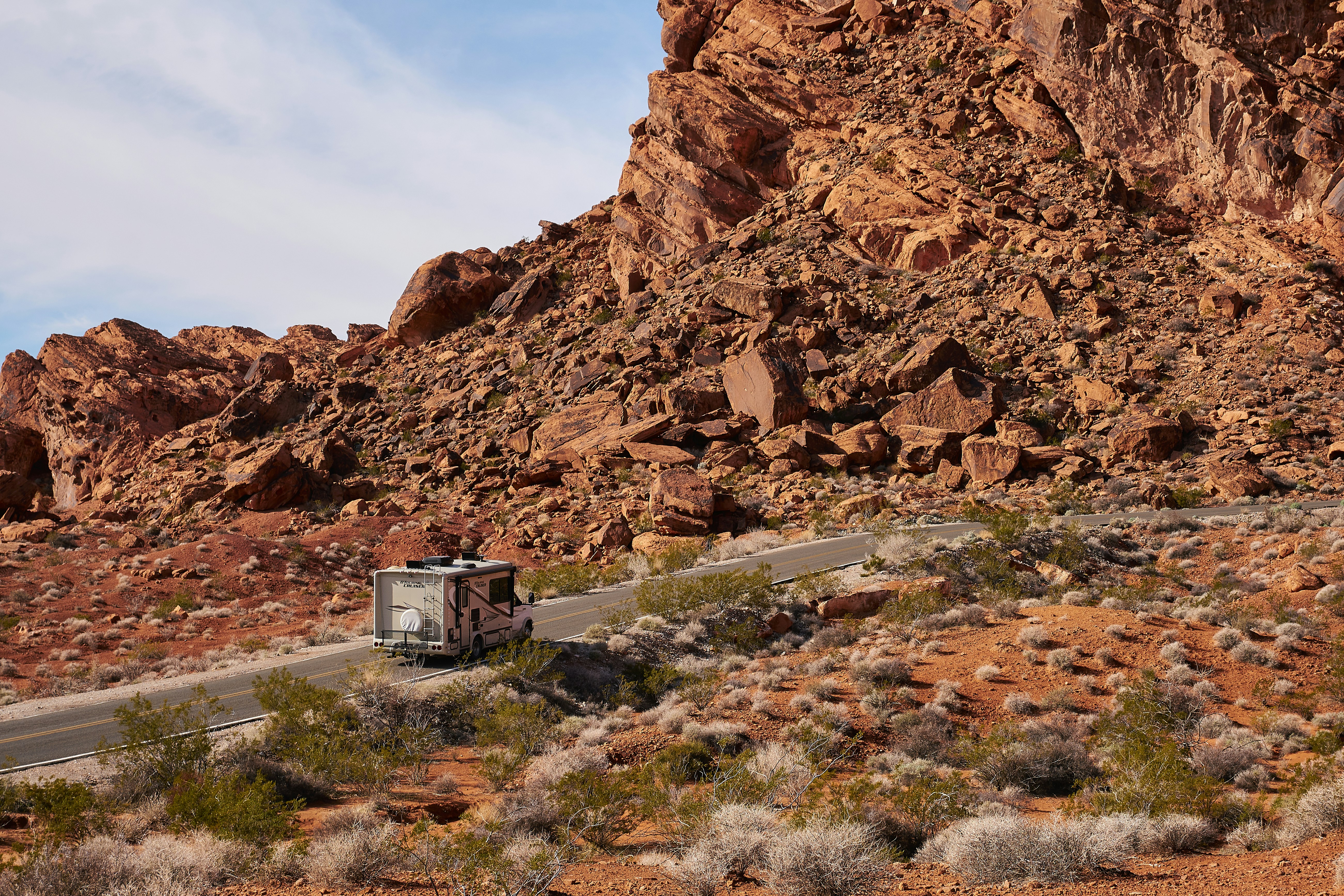
Introduction to RV Travel on a Budget
Traveling in a recreational vehicle (RV) has become an increasingly popular choice for individuals and families looking to explore the great outdoors while maintaining a sense of comfort and flexibility. One of the primary advantages of RV travel is the freedom it offers: travelers can choose their own routes, set their own schedules, and discover unique destinations without the constraints of traditional vacations. The convenience of having your own accommodations enables an immersive experience in nature, creating lasting memories away from crowded tourist attractions.
Budget RV travel not only provides the flexibility associated with this mode of transportation but also presents a viable solution for those seeking to explore more without exceeding their financial limits. It emphasizes careful planning and resourcefulness, allowing travelers to allocate their funds in a way that maximizes the enjoyment of their journeys. By budgeting effectively for travel, RV adventurers can take advantage of various cost-saving strategies, such as selecting affordable campsites, utilizing free overnight options, and cooking meals on the go. Each of these practices contributes to a more enjoyable and financially manageable travel experience.
Moreover, traveling in an RV often leads to significant savings compared to conventional travel methods, such as hotels or flying. In many cases, RV travelers can save on lodging costs by opting for campgrounds, which can be less expensive than traditional accommodations. Furthermore, the ability to prepare meals within the RV reduces dining expenses, allowing families to make healthier food choices while spending less.
As we delve deeper into the intricacies of RV travel on a budget, this guide will cover essential tips and strategies designed to make the most of your experiences on the road. The goal is to empower travelers to embark on more adventures while adhering to a budget, enabling unforgettable journeys filled with exploration and discovery.
Choosing the Right RV for Your Budget
When embarking on an RV journey, selecting the right vehicle is pivotal for a rewarding and budget-friendly experience. There are various types of RVs available, each catering to different needs and financial limits. The primary categories include motorhomes, travel trailers, and camper vans. Understanding the distinctions among these options can help you make a more informed decision that aligns with your financial situation.
Motorhomes represent a fully integrated vehicle, providing living accommodations and the capability for travel in a single unit. They come in several classes—Class A, B, and C—each offering different levels of luxury and size. While Class A motorhomes tend to be the most spacious and comfortable, they can also be quite expensive to purchase or maintain. When considering a motorhome, take into account operational costs such as fuel, insurance, and potential repair expenses, all of which can impact your budget.
Travel trailers, on the other hand, must be towed by a vehicle and offer a versatile option for families or individuals looking for a more cost-effective solution. They come in various sizes and layouts, allowing you to choose one that suits your specific requirements. Evaluating the age and condition of a travel trailer is crucial; older models may come with lower price tags but could also require more upkeep. Conversely, newer models may come with warranties that offer peace of mind.
Lastly, camper vans present a compact and economical alternative, perfect for solo travelers or couples. These vehicles are easy to drive and park, making them ideal for urban exploration. Like other RV types, the choice between renting or purchasing should be evaluated based on your travel frequency and financial considerations. Weighing the size, age, condition, and intended usage of your RV will ultimately lead to a selection that enhances your travel experience while adhering to your budget.
Budgeting for RV Expenses
Embarking on an RV adventure can be a fulfilling and economical way to explore new places. However, it is crucial to understand the diverse expenses associated with RV travel. Properly budgeting for these costs ensures that your journey remains enjoyable without straining your finances.
One of the most significant expenses you will encounter is fuel. The cost of gas can vary tremendously depending on your RV’s fuel efficiency and the distance traveled. To estimate your fuel expenses, calculate your expected mileage and current gas prices. Additionally, consider using apps to find the lowest fuel prices along your route.
Next on the list are maintenance costs. Regular upkeep of your RV is essential for a smooth travel experience. This can include routine oil changes, tire rotations, and checks on critical systems such as brakes and HVAC. Allocate a portion of your budget for these necessary expenses, and set aside some funds for unexpected repairs.
Another common expense comes from campground fees. Prices can vary widely based on location, amenities, and the type of site you select. Some campgrounds offer free or low-cost options, while others may charge premium rates. It’s advisable to research potential campgrounds along your route and incorporate these costs into your budget to avoid unexpected financial surprises.
Food expenses also deserve attention. Cooking in your RV can save you money compared to dining out. Consider planning meals ahead of time and making a grocery list before your travels. This approach not only helps control food costs but also ensures you have meals on hand for your journey.
Lastly, recreational activities are an essential part of the RV experience. Allocate funds for entrance fees, tours, and other local attractions you plan to visit. Establishing a clear budget for activities allows you to engage with the local culture and attractions without overspending.
By taking these various expenses into account and allocating funds wisely, you can enjoy your travels without the stress of financial burden.
Tips for Saving on Fuel and Maintenance
Traveling in an RV can be a fulfilling yet expensive venture, especially when it comes to fuel and maintenance costs. To maximize your budget, it is essential to adopt strategies that enhance fuel efficiency and reduce maintenance expenses. One of the most effective practices is mindful driving. Maintaining a consistent speed and avoiding rapid accelerations can significantly improve your vehicle’s fuel consumption. Additionally, utilizing cruise control on highways not only promotes a steady speed but also enhances fuel economy.
It is also advisable to pay attention to your RV’s tire pressure. Under-inflated tires increase rolling resistance, which in turn exacerbates fuel consumption. Regularly checking and maintaining the appropriate tire pressure can lead to noticeable savings at the pump. Moreover, reducing excess weight within your RV will enhance efficiency; thus, remove any unnecessary items and pack only essential gear.
Regular maintenance checks are critical to ensure optimal performance. Regularly inspect your engine and consider scheduling oil changes based on the manufacturer’s recommendations. Clean air filters and well-maintained engines tend to perform more efficiently, reflecting on fuel consumption. Also, ensure your RV’s components, such as the propane system and electrical systems, are routinely inspected and serviced.
Finding the best fuel prices while on the road is also key to reducing travel expenditure. Mobile applications and websites dedicated to fuel price comparisons can guide you to the cheapest gas stations along your route. Additionally, consider joining loyalty programs of fuel retailers that often provide discounts and promotions, making it easier to save on each refueling stop. Implementing these strategies will not only minimize fuel expenses but also contribute to the longevity of your RV.
Finding Affordable Campgrounds and RV Parks
Traveling in an RV can be a fulfilling experience, yet managing expenses is key to making the venture sustainable. One way to keep costs down is by finding affordable campgrounds and RV parks. Numerous resources are available that can aid RV travelers in their quest for budget-friendly camping accommodations.
First and foremost, various mobile apps and websites cater specifically to RV enthusiasts, offering comprehensive listings of campgrounds. Websites such as Campendium and Allstays provide user-generated reviews and up-to-date information on campground amenities and prices. These platforms not only highlight affordable options but also allow travelers to filter results based on specific requirements, such as the availability of water hookups, dump stations, or basic amenities.
Moreover, public campgrounds managed by government agencies, such as the National Park Service or the U.S. Forest Service, often provide low-cost camping options compared to private RV parks. Many of these sites allow reservations at reasonable rates, providing access to stunning natural environments without the premium prices typically found in commercial facilities.
Additionally, consider joining membership clubs that offer discounts on campground fees. Clubs like Good Sam and Passport America frequently provide members with special rate reductions at a wide array of campgrounds, making it easier for RV travelers to save money. These memberships usually have a nominal annual fee, which can be quickly recouped through the savings gained during trips.
Ultimately, finding affordable campgrounds and RV parks involves a combination of thorough research, leveraging technology, and utilizing membership benefits. By remaining proactive and informed, RV travelers can significantly reduce their lodging costs, allowing them to travel more often while spending less.
Meal Planning and Cooking on the Road
Traveling in an RV presents unique opportunities and challenges when it comes to meal planning and cooking. To save money on food while on the road, it is essential to develop a thoughtful approach to meal preparation and grocery shopping. One effective strategy is to create a meal plan before departure, focusing on easy-to-make meals that utilize similar ingredients. This not only helps streamline grocery budgeting but also minimizes waste by ensuring that foods purchased are used efficiently.
When budgeting for groceries, consider allocating a specific amount for each week of your travels. Research local grocery stores and farmers’ markets can reveal options that offer quality produce at lower prices. Additionally, many RV parks and campgrounds offer facilities that may include communal kitchens or barbecues, which can be advantageous for preparing larger meals without relying solely on your RV kitchen.
To make cooking in your RV kitchen manageable, prioritize simple, quick meals that do not require extensive preparation or numerous ingredients. For example, one-pot meals, such as chili, stir-fries, or pasta dishes, allow for minimal cleanup while providing hearty nutrition. Utilizing frozen vegetables, canned goods, and vacuum-sealed proteins can help in assembling meals quickly. It is also advisable to take advantage of outdoor cooking options, such as portable grills, as this can enhance your culinary experience and reduce odors within confined RV spaces.
Furthermore, consider incorporating recipes that can be adapted easily, allowing flexibility based on what ingredients you have available. This adjustment may include swapping proteins or vegetables, ensuring you savor diverse flavors while maintaining a budget-friendly approach. By employing these tactics, RV travelers can enjoy fulfilling meals without breaking the bank, ultimately enhancing their travel experience.
Exploring Free and Low-Cost Activities
Traveling in an RV offers a unique opportunity to experience diverse landscapes and communities without overspending. To maximize your travel experience while adhering to a budget, consider exploring free and low-cost activities available at most RV destinations. Outdoor adventures, local attractions, and community events can elevate your journey without placing significant strain on your finances.
Many RV travelers find solace in nature, which is often accessible without a price tag. National and state parks frequently offer free admission days, or they may have nominal entrance fees. Hiking trails, nature reserves, and scenic overlooks provide incredible opportunities to immerse yourself in the great outdoors. Look for local maps or visitor center recommendations to discover hidden gems in every region.
In addition to the natural landscape, engaging with local culture can lead to memorable experiences. Towns commonly host free festivals, fairs, and markets, which allow travelers to connect with the local community. Participating in these events not only helps you experience regional customs but also supports local artisans and businesses. Additionally, many municipalities have cultural or historical attractions that are low-cost, such as museums or galleries that offer reduced admission rates on designated days.
Another wonderful way to explore your surroundings is by utilizing resources like community bulletin boards or local social media groups. These platforms often share information about upcoming events, meet-ups, and activities that don’t come with steep entry fees. This proactive approach can also introduce you to fellow RV enthusiasts, broadening your travel network.
In summary, exploring free and low-cost activities is vital for RV travelers who wish to stretch their budgets and enrich their travel experiences. By embracing the natural environment, engaging with local culture, and utilizing community resources, you can embark on an adventurous journey while maintaining financial prudence.
Traveling with Kids or Pets on a Budget
Traveling in an RV with children or pets can present unique challenges, particularly when it comes to budget management. To ensure a smooth journey while managing costs effectively, families should adopt certain strategies tailored to their circumstances.
First and foremost, budgeting for extra supplies is essential. When traveling with kids, consider purchasing bulk items like snacks and drinks beforehand. This saves money and reduces the likelihood of impulse buys at gas stations or rest stops. Additionally, plan meals and prepare simple, kid-friendly dishes that can be cooked in the RV kitchen. Meal prepping can significantly minimize grocery expenses while keeping your children satisfied.
Keeping kids entertained during long stretches on the road is also crucial. Invest in a couple of travel-friendly games or books, and download family-friendly audiobooks or music playlists to make the journey enjoyable. Encouraging kids to document their travels in a journal or through drawing can not only engage them but also create lasting memories. Various apps designed for road trips can also provide educational entertainment with activities based on geography or learning about local wildlife.
When it comes to traveling with pets, additional considerations should be taken into account. It is important to budget for pet supplies, including food, a travel crate, or kennel, and possibly pet-friendly accommodations. Make a checklist of essentials like leashes, pet waste bags, and health records to ensure you have everything needed for a smooth trip. Moreover, schedule breaks for your pets to stretch, exercise, and relieve themselves. This not only keeps them happy but also helps prevent any accidents inside the RV.
With careful planning and budgeting, families can enjoy a memorable RV experience with children or pets without overspending. This approach ensures everyone has the opportunity to revel in the journey, making traveling more enjoyable while being budget-conscious.
Conclusion and Final Budgeting Tips
In conclusion, embarking on an RV adventure offers a unique way to explore the great outdoors while providing the flexibility to travel on your own terms. However, as we have covered throughout this guide, successful RV travel requires careful financial planning and budgeting. By establishing a well-defined budget, travelers can enjoy their journey without the stress of overspending.
Key budgeting strategies include researching and planning your routes meticulously to find low-cost campsites and attractions that align with your interests. It is beneficial to take advantage of mobile apps and websites that list affordable options for fuel, food, and accommodations, helping you stretch your travel dollars further. Additionally, preparing meals in your RV instead of dining out can lead to substantial savings over the course of your travels.
It is also crucial to factor in maintenance costs and unforeseen expenses that may arise during your journey. Setting aside an emergency fund within your budget can provide peace of mind and enable you to address any unexpected challenges without derailing your travel plans. Furthermore, consider joining RV clubs or communities, as they often provide resources for discounts on camping fees and attractions.
Ultimately, the adventure of RV travel lies not only in the destinations but also in the experiences and memories created along the way. By embracing a budget-conscious approach, you can enhance your travel experiences while ensuring your financial health. Therefore, as you plan your next RV trip, remember these budgeting tips to make the most of your journey while spending less.