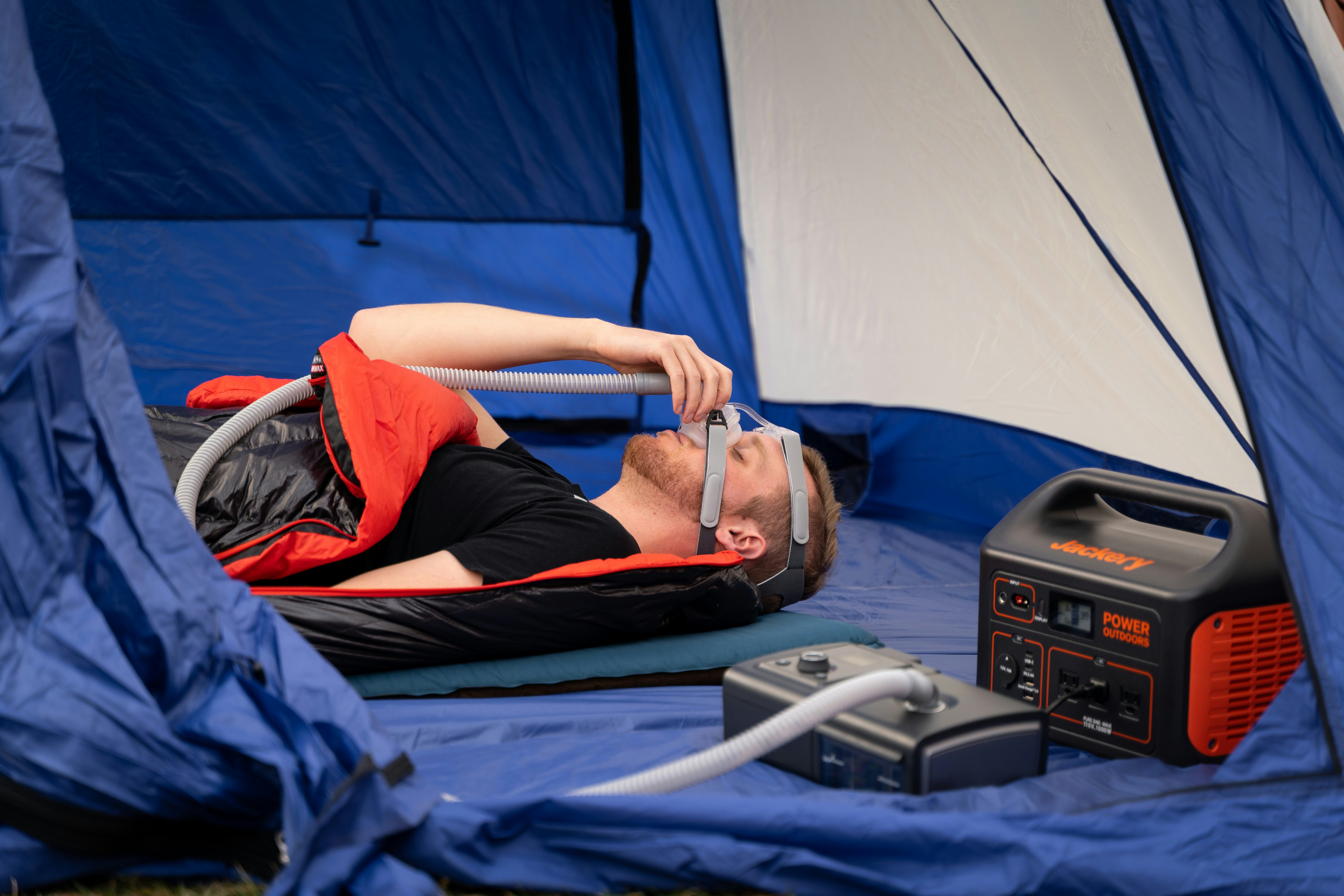
Introduction to Camping Sleep Gear
Camping offers a unique opportunity to connect with nature and experience the great outdoors. However, one of the common challenges faced by campers is the difficulty in achieving a good night’s sleep. Quality sleep is a vital component of a successful camping trip, impacting not just physical health but also overall enjoyment and satisfaction. When you are well-rested, you are more energized to explore, engage in activities, and enjoy your surroundings. Conversely, poor sleep can lead to fatigue, irritability, and a diminished camping experience.
The outdoors presents a variety of factors that can disrupt sleep, such as uneven ground, temperature fluctuations, and unfamiliar noises. In light of these challenges, selecting the right camping sleep gear becomes essential. Camping sleep gear encompasses a range of products designed to enhance sleeping conditions while away from home. This includes sleeping bags, sleeping pads, tents, and other accessories that can significantly improve comfort.
When choosing your camping sleep gear, it is important to consider factors like warmth, weight, and portability. A well-insulated sleeping bag can keep you cozy in cold weather, while a lightweight sleeping pad can provide cushioning from the hard ground. Additionally, the right tent not only offers protection from the elements but can also create a sense of a secure environment conducive to sleep.
Understanding the importance of quality sleep and investing in appropriate gear can transform your camping experience. By taking the necessary steps to mitigate the common sleeping challenges in nature, you can ensure that your journey is as restful as it is rewarding. Preparing adequately with the right camping sleep gear allows you to fully enjoy everything that the great outdoors has to offer, leaving you refreshed and ready for your next adventure.
Choosing the Right Sleeping Bag
Selecting the perfect sleeping bag for your camping adventure is crucial to ensuring a restful night’s sleep. With various options available, understanding the types and features can significantly enhance your outdoor experience. The primary considerations when choosing a sleeping bag include temperature ratings, shapes, and insulation materials.
The temperature rating indicates the lowest temperature at which the sleeping bag can keep you warm. Most sleeping bags come with a “three-season” rating, which accommodates the common temperature ranges encountered during spring, summer, and fall camping trips. For colder conditions, “four-season” bags are specifically engineered for extreme temperatures, featuring additional insulation. Always check the manufacturer’s specifications as these ratings can vary, and personal comfort levels may differ.
Shapes are another critical aspect to consider. The two primary shapes are rectangular and mummy. Rectangular sleeping bags offer more room, making them suitable for those who prefer movement during sleep. Mummy bags, however, are designed to hug the body closely, which helps retain warmth and is preferable for cold weather camping. The choice between these shapes often depends on individual comfort preferences and anticipated weather conditions.
Insulation materials also play a vital role in a sleeping bag’s performance. Down insulation is lightweight, compressible, and highly efficient insulator, ideal for those seeking minimal weight in their packs. Conversely, synthetic insulation is water-resistant and performs better in humid conditions, making it a reliable option for wet weather. Consider your specific camping environment as well as your personal preference regarding weight and insulation type when making a selection.
In summary, carefully evaluating the temperature ratings, bag shapes, and insulation materials will enable you to choose the right sleeping bag that meets your camping needs and enhances your sleeping comfort in the outdoors.
Selecting a Sleeping Pad or Air Mattress
When preparing for a camping trip, choosing the right sleeping pad or air mattress is crucial to ensure a restful night’s sleep. Both sleeping pads and air mattresses serve to enhance comfort by providing insulation and cushioning from the ground, which can often be uneven and cold. Understanding the differences between these options is essential for making an informed decision.
Sleeping pads typically come in three primary styles: self-inflating, air-filled, and closed-cell foam. Self-inflating pads offer a blend of comfort and convenience, as they automatically inflate to a certain degree when the valve is opened. Air-filled pads, on the other hand, are often lighter and pack down smaller, making them ideal for backpacking. They offer excellent comfort but may require manual inflation. Closed-cell foam pads provide a more durable and lightweight option, suitable for more rugged conditions. However, they may lack some comfort compared to their inflatable counterparts.
Air mattresses are generally larger and thicker, making them more suitable for car camping or situations where weight is not a concern. They often provide a higher level of cushioning, which can be beneficial for individuals with specific comfort needs or those who prefer a more home-like sleeping arrangement. However, air mattresses can be prone to punctures and may require a pump, adding to their setup time.
When selecting between a sleeping pad and an air mattress, consider factors such as the type of camping you will be doing, the terrain, and your personal comfort preferences. Thickness, weight, and insulation properties should all be evaluated to find the best sleep solution for your specific needs. Ultimately, investing in quality sleep gear will enhance your outdoor experience and allow for more enjoyable adventures.
Tents: Creating a Cozy Sleeping Environment
Choosing the right tent is a fundamental aspect of establishing a comfortable sleeping environment while camping. The size of the tent plays a crucial role in determining how cozy and restful your sleeping experience will be. A tent that is too small can lead to cramped quarters, making it difficult to move around or shift positions comfortably during the night. Conversely, a tent that is excessively large may not retain heat as effectively and can create an impersonal atmosphere that detracts from the overall camping experience.
Ventilation is another important factor to consider when selecting a tent. Proper airflow can significantly influence sleep quality by regulating temperature and reducing condensation inside the tent. A tent equipped with multiple vents or mesh panels allows fresh air to circulate while preventing insects from entering, contributing to a more pleasant sleeping environment. Ensuring that the tent is well-ventilated helps mitigate moisture accumulation, which can lead to discomfort and an undesirable sleeping space.
The placement of the tent within the campsite also affects sleeping quality. Setting up your tent in a flat, dry area away from potential hazards, such as overhanging branches or rocky surfaces, can prevent disruptions during the night. Additionally, positioning the tent away from common paths taken by other campers can minimize disturbances from foot traffic. Furthermore, consider the direction of prevailing winds and sunlight; placing the tent accordingly can help maintain a comfortable temperature during both day and night.
Once you have selected the right tent, it’s essential to create a comfortable sleeping area inside. Using a suitable sleeping pad or air mattress can provide cushioning and insulation from the ground, enhancing overall comfort. Packing extra sleeping bags or blankets can also help tailor the space to your preference, allowing for a more personalized and cozy atmosphere.”
Pillows for Comfort: What to Look For
When it comes to enhancing your sleeping experience during camping trips, investing in the right pillow is crucial. With various types of camping pillows available, understanding their differences can help you make an informed choice that complements your personal sleeping habits and travel needs. Generally, camping pillows can be categorized into three main types: inflatable, compressible, and DIY options.
Inflatable pillows are popular for their lightweight and packable nature. These pillows often use air for support, making them adjustable in firmness to suit varying preferences. They can be inflated quickly and are generally easy to carry, ideal for minimalist backpackers looking to save on weight. However, it’s important to consider that some may find them less comfortable, particularly if they prefer a bit of cushioning.
Compressible pillows, on the other hand, are made from foam or synthetic materials. These pillows provide a more traditional feel and are often more comfortable than inflatable options. They are designed to compress down to a manageable size for packing, but may be heavier than their inflatable counterparts. For campers who prioritize comfort over weight, a compressible pillow might be the preferred choice, especially for car camping trips where space is less restricted.
For those inclined towards a more personalized approach, DIY pillows can be made from clothing or other soft materials to create a makeshift pillow. This option not only adds a sense of familiarity but also allows flexibility, as campers can adjust the size and stuffing based on their comfort level. While convenient, DIY pillows may lack the structure offered by commercial options, so it’s essential to consider what will work best for your sleeping needs.
In summary, choosing the right camping pillow involves assessing how you sleep and what you prioritize in terms of comfort, weight, and packing efficiency. By exploring the various types of pillows available, you can ensure a restful sleep and rejuvenation for your outdoor adventures.
Staying Warm: Blankets and Liners
Camping at night often necessitates careful consideration of temperature, especially in cooler climates where even the best sleeping bags may not provide sufficient warmth. To enhance comfort during chilly nights, campers can utilize additional sleep gear such as camping blankets and sleeping bag liners. These items are vital for ensuring a restorative sleep under the stars, as they significantly boost overall insulation.
When selecting a camping blanket, it is advisable to opt for materials that excel in heat retention and moisture-wicking properties. Fleece and down are popular choices due to their lightweight composition and excellent insulating qualities. Fleece blankets are particularly advantageous because they are not only warm but also quick-drying, which is essential for damp conditions. On the other hand, down blankets are favored for their compressibility and ability to trap heat, though they should be kept dry to maintain their effectiveness.
Sleeping bag liners also play a crucial role in enhancing warmth. These liners, typically made from microfiber or silk, add an extra layer of insulation inside a sleeping bag, helping to regulate body temperature. Moreover, using a liner can extend the life of the sleeping bag by preventing dirt and moisture from coming into direct contact with its material. When choosing a sleeping bag liner, it is important to consider the weight and packability; lightweight options are ideal for backpacking trips.
In summary, integrating camping blankets and sleeping bag liners into your camping sleep setup can make a significant difference in keeping warm during cold nights. By selecting the right materials and understanding their benefits, campers can ensure a more comfortable experience in the great outdoors, thereby enhancing the overall quality of their trip.
Lighting and Ambiance for Better Sleep
When embarking on a camping adventure, the importance of lighting cannot be overstated, especially as it relates to sleep quality. The right lighting can significantly enhance your overall camping experience by fostering a peaceful ambiance that promotes relaxation and rest. Poor lighting can disrupt your circadian rhythms, making it essential to choose the appropriate options to facilitate better sleep.
One effective solution for nighttime lighting is the use of headlamps. These hands-free devices allow for mobility while illuminating your surroundings. Opt for a headlamp with adjustable brightness settings to suit your needs. Utilizing a red light setting can be particularly beneficial as it does not interfere with melatonin production, helping you to maintain your natural sleep cycle.
In addition to headlamps, lanterns can create a warm and inviting atmosphere. When selecting a lantern, consider LED options, as they offer bright, long-lasting light while conserving battery life. Position the lantern a safe distance from your sleeping area to provide illumination without creating harsh glare, which can disturb your ability to relax.
Moreover, incorporating string lights can enhance the ambiance at your campsite. Soft, diffused lighting from string lights can make a space feel cozy and inviting, helping to transition from daytime activities to a restful nighttime environment. For optimal sleep, it is advisable to minimize exposure to bright, artificial light as bedtime approaches.
Ultimately, carefully selecting and strategically positioning your lighting can create a serene atmosphere that promotes sound sleep. By utilizing headlamps, lanterns, and soft lighting solutions, campers can effectively enhance their nighttime experience, ensuring that they wake up rejuvenated and ready for the adventures that lie ahead.
Health and Safety Considerations When Camping
When camping, ensuring a safe and healthy sleeping environment is paramount. Proper ventilation is crucial to preventing condensation and maintaining air quality inside your tent or sleeping area. Adequate airflow helps regulate temperature and prevents moisture buildup that can lead to mold and mildew, which can be detrimental to your health. Ensure that your tent has sufficient openings and consider using a tent footprint to enhance ventilation from below.
Insect bites are another significant concern for campers. To minimize the risk of bites from mosquitoes, ticks, and other pests, it is advisable to utilize insect-repellent products that contain DEET or other effective ingredients. Wearing long sleeves and pants, especially during dawn and dusk when insects are most active, can provide an extra layer of protection. Additionally, consider using screens on your tent and applying insect repellents to your sleeping gear.
Maintaining hygiene is essential for preventing illness while camping. Always wash your hands before meals and after using the restroom. Bringing biodegradable soap and hand sanitizer can help ensure cleanliness when access to running water is limited. Furthermore, it is important to dispose of waste properly to avoid attracting wildlife and to keep the camping area pristine.
Speaking of wildlife, protecting your blankets and sleep gear from potential animal encounters is vital. Store food securely in bear-proof containers or high up in a tree when in bear country, and avoid keeping any food items in your tent. Velcro or zippers can help secure sleeping bags and blankets; this minimizes the likelihood of wildlife intrusion. Being aware of your surroundings and taking these precautions can significantly enhance your safety and health while enjoying the great outdoors.
Conclusion: Prioritize Your Sleep When Camping
As we have explored throughout this camping sleep gear guide, a good night’s rest is paramount when venturing into the great outdoors. Camping offers an incredible opportunity to connect with nature; however, the quality of sleep can greatly influence the overall experience. Prioritizing sleep is critical, as it not only rejuvenates the body but also enhances the enjoyment of activities during the day.
Investing in high-quality sleep gear such as sleeping bags, sleeping pads, and pillows can make a significant difference in comfort levels. These items are not mere luxuries but are essential components that contribute to a restful night. Choosing the right gear tailored to specific weather conditions and personal preferences ensures an optimal sleeping environment, thereby reducing fatigue and enhancing mood.
Additionally, incorporating practices like setting up camp at appropriate times and maintaining a consistent sleep schedule can further improve sleep quality while camping. Recognizing the impact of a good sleep on both physical health and mental well-being can encourage campers to take their sleep needs seriously.
In summary, the essence of a fulfilling camping experience hinges on obtaining sufficient and restorative sleep. By choosing the right sleep gear and making sleep a priority, campers can savor their outdoor adventures more fully. Future camping trips should embrace this concept, as the better the sleep quality, the more enjoyable the experience will be. Let your sleep be a focal point of your planning, and you will surely reap the benefits on your next excursion into nature.