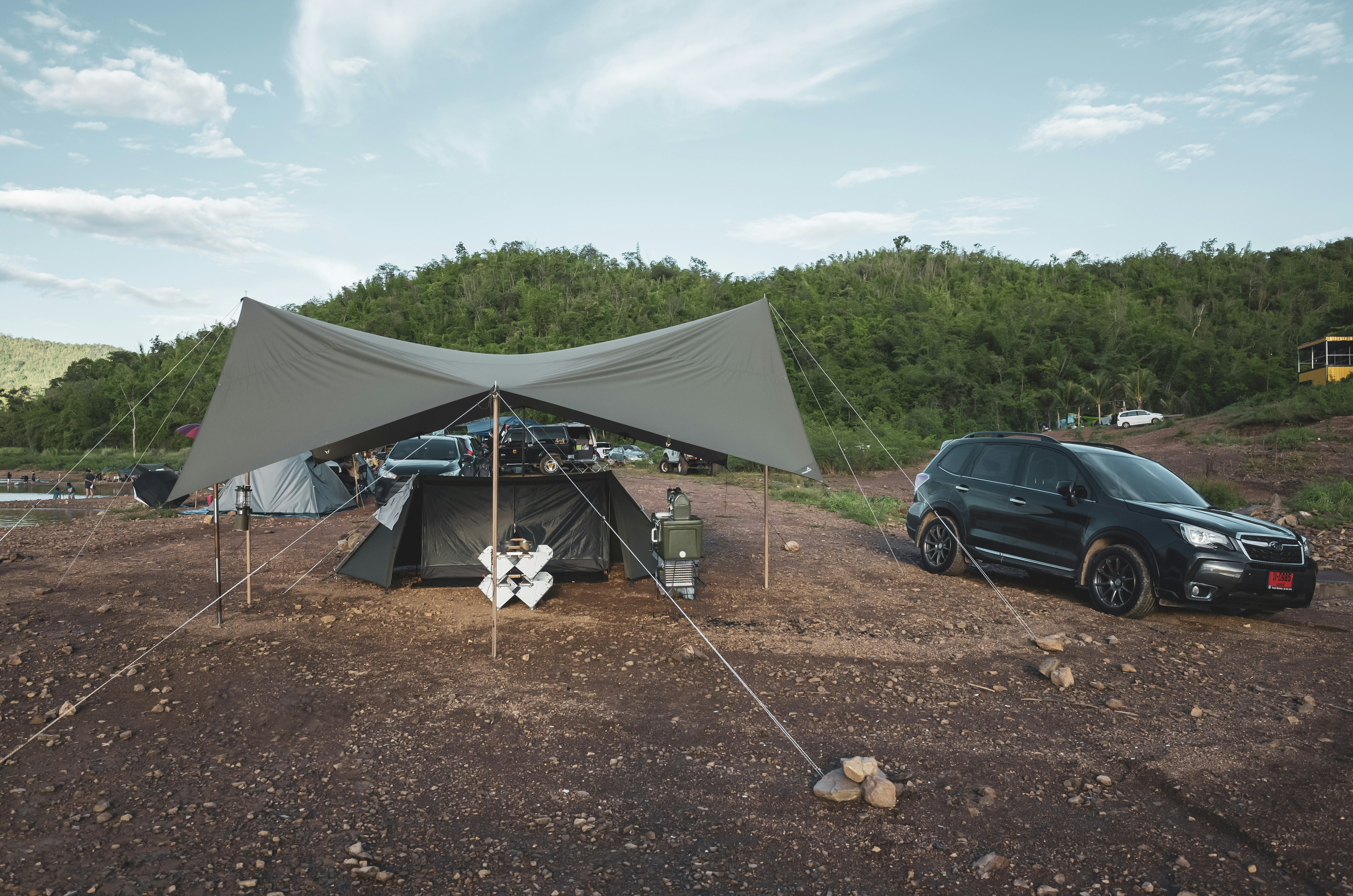
Introduction to Lakeside Camping
Lakeside camping offers a unique and enriching experience for outdoor enthusiasts, providing not only scenic beauty but also a plethora of recreational activities. The tranquil ambiance and picturesque landscapes often found near water bodies create an inviting atmosphere that attracts many campers. The soothing sounds of waves lapping against the shore, coupled with stunning sunsets reflected on the water, enhance the overall enjoyment of the camping experience.
One of the primary appeals of camping near lakes is the access to a variety of water-related activities. Hiking, fishing, kayaking, and swimming are just a few of the recreational opportunities that present themselves, allowing campers to engage in both relaxation and adventure. Lakeside camping also encourages a deeper connection with nature, as the proximity to water fosters a diverse ecosystem. Campers can observe various wildlife, including birds, fish, and other aquatic life, enriching their understanding of the natural world.
However, while lakeside camping provides numerous advantages, it is not without its challenges. Environmental conditions such as mosquitoes and unpredictable weather can impact the camping experience. Additionally, proper planning and the selection of the right gear become crucial to ensure a safe and enjoyable trip. For instance, adequate waterproof gear, insect repellent, and appropriate food storage methods are essential considerations. Moreover, understanding local regulations regarding water use and campsite etiquette can greatly enhance the camping experience.
In conclusion, lakeside camping presents a blend of beauty, excitement, and challenges. Embracing the unique opportunities and preparing for the possible difficulties can lead to memorable adventures in the great outdoors. Selecting the right gear, tailored for lakeside conditions, will set the foundation for an enjoyable and safe camping experience.
Essential Camping Gear Overview
When planning a lakeside camping trip, it is vital to equip oneself with the right gear tailored to specific needs. The range of essential camping gear encompasses multiple categories, each serving a unique function that enhances the overall outdoor experience. From shelter to cooking equipment, safety gear, and recreational items, proper preparation ensures not only comfort but also safety while enjoying the scenic environment of a water-access campground.
The first category is shelter, which includes tents, tarps, and sleeping gear. A robust tent is critical for protection against weather elements, while tarps can offer additional space and a sheltered area for cooking or relaxing outside. Furthermore, high-quality sleeping bags and pads enhance sleep quality, which is crucial after a long day of activities.
Next is cooking equipment, essential for meal preparation at a campsite. Portable stoves, cookware, and utensils facilitate cooking while minimizing the need for extensive fire-building. Additionally, coolers are important for keeping food fresh and providing refreshing beverages. Maintaining proper nutrition can significantly enhance a camping trip’s enjoyment, especially after engaging in physical activities like hiking or swimming.
Safety gear also plays a pivotal role in lakeside camping. Life jackets, first-aid kits, and emergency communication devices are mandatory for ensuring the well-being of all participants. Water bodies present unique risks, and having the proper safety equipment can prevent accidents, providing peace of mind.
Lastly, recreational gear such as fishing rods, kayaks, and hiking equipment enhances engagement with the picturesque surroundings. These items not only promote entertainment but also create opportunities for bonding experiences with family and friends. Overall, having a well-rounded selection of essential camping gear equips campers to experience the beauty of lakeside trips fully.
Shelter and Sleeping Gear
When planning a lakeside camping trip, selecting the right shelter and sleeping gear is crucial for ensuring both comfort and protection from the elements. The first consideration is the tent, which should be specifically designed to handle wet weather. Look for a tent with a waterproof rainfly and a bathtub-style floor to keep the interior dry during unexpected rainfall. The capacity of the tent should align with the number of occupants, ensuring everyone has enough space for a comfortable night’s sleep.
Additionally, it is important to consider the tent’s ventilation features, which will help reduce condensation buildup during humid nights by allowing fresh air circulation. A well-ventilated tent not only improves comfort but also contributes to a more restful sleep experience.
Next, a high-quality sleeping bag is essential for lakeside trips. Opt for a sleeping bag that provides sufficient insulation for varying temperatures, particularly if nighttime temperatures tend to drop by the lakeside. A three-season sleeping bag is a versatile choice, as it can comfortably accommodate most camping scenarios from spring through fall. Check the temperature rating of your sleeping bag to ensure it aligns with the expected climate conditions.
Finally, investing in a comfortable sleeping pad can significantly enhance your camping experience. Sleeping pads not only provide cushioning against the hard ground but also serve as insulation from the cold ground temperatures, ensuring a warmer night’s sleep. Look for pads that offer a good balance of weight, packed size, and comfort to suit your specific needs. Foam pads are durable and affordable while inflatable pads provide additional comfort and pack down smaller for ease of transport.
In summary, selecting the appropriate shelter and sleeping gear tailored for lakeside environments is paramount for an enjoyable camping experience. A well-chosen tent, sleeping bag, and sleeping pad can collectively promote restful sleep and enhance overall comfort while exploring the great outdoors.
Cooking Equipment for Lakeside Adventures
When embarking on a lakeside camping trip, having the right cooking equipment is essential for enjoying delicious meals while surrounded by nature. The bustling ambiance of water-access campgrounds encourages outdoor cooking, making it crucial to invest in portable stoves that can simplify meal preparation.
Portable stoves, particularly those fueled by propane or butane, are favored for their ease of use and quick setup. They provide reliable heat for cooking and can be conveniently transported to your campsite. Often, these stoves come with various heat settings, allowing you to simmer, boil, or fry with precision, thus enhancing your culinary experience near the water.
In addition to a portable stove, having the right cookware is vital. Lightweight pots and pans made from materials such as aluminum or titanium are ideal due to their efficient heat conduction and minimal weight, suitable for hiking and carrying. Furthermore, non-stick coatings can make cleanup easier, allowing you to spend more time enjoying the lakeside environment.
Food storage solutions also play a key role in a successful lakeside camping trip. Utilizing airtight containers and bear-proof bags ensures that your provisions remain fresh and secure from wildlife. Cooler bags are another excellent investment as they maintain the temperature of perishable items for longer periods, preventing spoilage and ensuring delicious meals during your stay.
Lastly, having a well-equipped cooking setup not only allows for meal preparation but also fosters social moments around the campsite. Sharing a hearty meal after a day of adventures by the lake strengthens bonds among camping companions. Therefore, prioritizing appropriate cooking equipment can significantly enhance your experience in a lakeside setting. Properly chosen gear contributes to the joy and comfort of cooking while enjoying the serene backdrop of nature.
Safety Gear for Water Activities
Engaging in water activities at lakeside campgrounds is a sought-after experience. However, it is essential to prioritize safety while enjoying these activities. Tailoring your gear selection to include appropriate safety equipment can significantly reduce the risks associated with water activities.
One of the most crucial items for anyone participating in water activities is a life jacket. Personal flotation devices (PFDs) are vital for ensuring the safety of both adults and children when boating, kayaking, or swimming. It is important to select life jackets that are well-fitted and carry the appropriate certification for the water activities planned. Proper use of life jackets not only adheres to safety regulations but also provides peace of mind.
Another fundamental aspect of water safety is having a comprehensive first aid kit readily available at your campsite. Accidents can occur, and having immediate access to basic medical supplies is crucial. A well-stocked first aid kit should include adhesive bandages, antiseptic wipes, gauze pads, and, if applicable, any personal medications. Additionally, including waterproof items or a waterproof container for the kit ensures that it remains functional in case of unexpected water exposure.
Emergency communication devices should not be overlooked. Having a fully charged mobile phone or a satellite communication device can prove invaluable in times of distress, especially in areas with limited connectivity. If possible, equipping yourself with a whistle or signaling device can also enhance safety and communication, particularly in case of separation from the group.
Ultimately, being prepared with adequate safety gear when engaging in water activities at lakeside campgrounds is a critical aspect of ensuring a safe and enjoyable experience. By prioritizing appropriate safety equipment, campers can focus on creating memorable experiences while minimizing potential risks associated with water activities.
Recreational Gear for Lakeside Fun
When planning a camping trip near a lake or at a water-access campground, selecting the right recreational gear can significantly enhance the experience. Engaging with nature through various water activities not only elevates enjoyment but also fosters a connection with the serene environment. Among the essential items to consider are kayaks, fishing rods, and inflatable rafts, each offering unique benefits.
Kayaking is a popular choice for water-based recreation, providing an excellent workout while allowing campers to explore the water at their own pace. A kayak can maneuver into small coves and around the shoreline, offering opportunities to observe wildlife and appreciate the natural beauty uniquely. Whether for serene paddling or a more adventurous outing, kayaks come in various styles suitable for all levels of experience.
Fishing rods are another indispensable piece of gear for lakeside fun. Fishing not only serves as an enjoyable pastime but also represents a rite of passage for many campers. Casting a line into the water can be relaxing and is often rewarded with fresh catches for dinner. When selecting a fishing rod, consider the type of fish present in the lake and choose equipment that complements your intended fishing style.
Inflatable rafts also add excitement to lakeside camping. They are versatile and can be used for leisurely floats or as platforms for children to splash and play safely. Lightweight and easy to pack, inflatable rafts can enhance the family-friendly aspect of camping, making it accessible and enjoyable for all ages. Furthermore, they can provide added safety when engaging in water activities.
Incorporating recreational gear like kayaks, fishing rods, and inflatable rafts into your lakeside camping trip can elevate the experience to new heights, ensuring both fun and a deeper appreciation of the natural surroundings.
Pack It Up: Efficient Packing Tips
Packing for a lakeside camping trip requires strategic planning to ensure that all essential gear is included while minimizing the burden of carrying excessive weight. One of the fundamental principles of efficient packing is weight management. Campers should prioritize the items they truly need and consider eliminating unnecessary gear. A good practice is to make a checklist of required items and categorize them based on their function, such as cooking equipment, personal items, and sleeping gear. This will not only help in identifying essentials but also assist in making decisions about what can be left behind.
Moreover, organizing items for easy access is crucial when camping, particularly at water-access campgrounds. Group similar items together, and use bags or containers that allow for clear visibility. For example, packing dishware and cooking utensils in one container while keeping food items in another can save time and energy during meal preparations. Consider utilizing packing cubes or dry bags to compartmentalize gear. These storage solutions foster better organization and make it easier to retrieve items without rummaging through your entire kit.
Waterproof bags or containers play an essential role in protecting belongings, especially in lakeside environments where moisture is inevitable. Select high-quality waterproof gear storage options to shield items such as clothing, electronics, and cooking supplies from water damage. Consider using a combination of dry bags for electronics and waterproof bins for food storage. This approach not only protects your belongings but also enhances overall organization, ensuring that everything can be accessed swiftly and remains in optimal condition throughout the trip.
Maintenance and Care of Gear
When embarking on a lakeside camping adventure, ensuring the longevity and functionality of your gear is paramount. Proper maintenance and care can significantly enhance your camping experience, allowing for smooth and successful outdoor excursions. This process begins before your journey even starts, continues throughout your trip, and concludes after you return home.
Prior to your trip, it is crucial to conduct a thorough inspection of your equipment. Check tents for any wear and tear, ensure zippers are functioning correctly, and confirm that cleaning supplies are packed. Not only does pre-trip maintenance help in identifying existing issues, but it also prepares your gear for the conditions it may face at the campground. If you have water-access gear, such as kayaks or canoes, inspect them for leaks and ensure all parts are in working order.
During your camping trip, daily care is essential. After each use, particularly with water-based activities, rinse off your gear to remove salt, sand, or debris. This reduces the likelihood of buildup that could impair performance or cause damage over time. It’s also advisable to keep your equipment dry when not in use, as moisture can lead to mold and mildew formation—especially in tents and sleeping bags.
Upon returning from your lakeside trip, proper post-usage maintenance is vital. Thoroughly clean each item according to its specifications; this usually involves washing tents and other fabric items, while metal gear should be dried and wiped free of any rust-causing moisture. Store your camping gear in a cool, dry location to prevent deterioration from environmental factors. Following these care steps ensures that your camping equipment remains in excellent condition, ready for your next adventure with minimal hassle.
Conclusion and Final Tips
As we have explored the essential camping gear necessary for lakeside trips and water-access campgrounds, it becomes apparent that proper preparation is key to an enjoyable experience. The items highlighted in this discussion, including tents, sleeping gear, cooking equipment, and safety essentials, create a foundation for any successful camping venture. Moreover, the right gear not only enhances comfort but also ensures safety while enjoying all that nature has to offer.
When preparing for your lakeside adventure, consider making a checklist based on the mentioned equipment and your specific needs. Planning ahead prevents last-minute scrambles and helps guarantee that you will have everything required for a seamless experience. It is important to pack items that cater to your activities, such as fishing, swimming, or hiking, as well as essentials like first aid kits and insect repellent, which can help avert unexpected issues.
Furthermore, respecting nature should be a priority for all campers. Adhering to regulations, such as maintaining a safe distance from wildlife, disposing of waste responsibly, and following fire safety protocols, contributes to the preservation of the beautiful natural environments we cherish. By practicing Leave No Trace principles, you help ensure that these areas remain pristine for future generations.
Finally, create opportunities for unforgettable memories with family and friends by engaging in communal activities such as storytelling around the campfire or cooking gourmet meals together. Lakeside camping can be an enriching experience that brings people closer to each other and to nature. Take the time to prepare adequately, respect the environment, and savor the serenity of your surroundings as you embark on your lakeside journey.