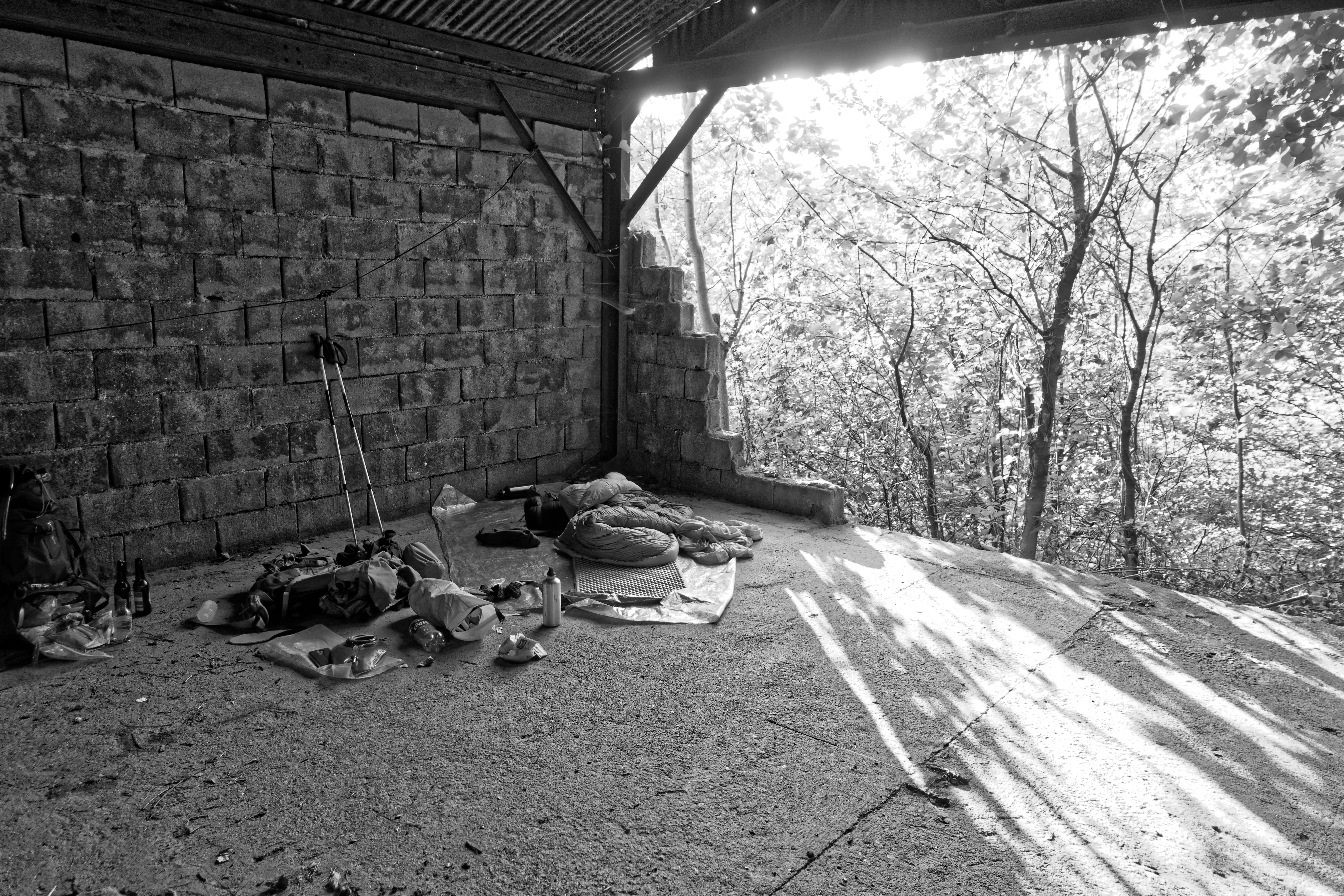
Introduction to Camping in Muddy Conditions
Camping in muddy conditions presents a unique set of challenges that can significantly impact the outdoor experience. Wet ground conditions often stem from heavy rainfall, and while they provide certain aesthetic appeals, they can lead to a range of discomforts. For campers, such environments demand careful planning and appropriate gear to ensure both safety and enjoyment.
The risks associated with camping in wet conditions are manifold. Firstly, muddy ground can lead to unstable walking surfaces, increasing the likelihood of slips and falls. These hazards necessitate keen awareness and suitable footwear to navigate safely. Additionally, waterlogged sites can harbor other dangers, including increased insect activity and the potential for exposure to illnesses due to damp conditions. Hence, navigating such environments requires not only physical preparedness but also a strategic approach to gear selection.
To enhance comfort and safety, it is imperative to equip oneself with the right camping gear. Essential items include waterproof tents and tarps designed to withstand precipitation, alongside durable and water-resistant footwear to protect against mud and water. Furthermore, utilizing gear that promotes insulation and dryness is crucial, as wet conditions can lead to rapid body heat loss, posing health risks during the night or in colder environments. It is also advisable to consider portable flooring solutions, such as ground mats, that can facilitate a cleaner and more stable living space.
Ultimately, with the right preparation, camping in muddy conditions can be both enjoyable and memorable. A well-thought-out approach to gear selection not only minimizes discomfort but also turns potential challenges into opportunities for adventure. Understanding the terrain and preparing for it through appropriate equipment is key for any camping enthusiast venturing into wet and muddy sites.
Choosing the Right Tent for Wet Conditions
When selecting a tent for muddy campsites and wet ground conditions, there are several critical features to consider to ensure a comfortable and dry camping experience. First and foremost, opting for a tent made of waterproof materials is essential. Look for tents constructed with high-quality fabrics such as ripstop nylon with a waterproof coating, usually rated with a hydrostatic head measurement of at least 3,000 mm. This rating indicates the tent can withstand significant rainfall, preventing water from leaking into the interior.
Additionally, a tent footprint is a valuable feature to look for as it offers extra ground protection. A footprint acts as a barrier between the tent floor and the wet ground, reducing the risk of moisture seeping in. Furthermore, it helps protect the tent’s floor from abrasions and cuts caused by rocky or uneven terrain, ultimately prolonging the tent’s lifespan.
Ventilation is another crucial aspect to consider. Tents that incorporate multiple ventilation options can minimize condensation, which can be particularly problematic in wet conditions. Look for models with adjustable vents and mesh panels that allow air circulation while keeping rain and moisture at bay. Proper airflow reduces humidity inside the tent, promoting a more comfortable sleeping environment.
Finally, consider the ease of pitching the tent. In wet conditions, a quick and straightforward setup is critical. Tents designed with pop-up or instant setup mechanisms can be advantageous, allowing campers to pitch their tents efficiently even in unfavorable weather. Choose a tent with color-coded poles and intuitive design, simplifying the pitching process and ensuring you can set up your shelter swiftly in muddy campsites.
Ground Mats and Tarps: Your First Defense Against the Mud
When planning a camping trip to muddy campsites or areas prone to wet ground conditions, ground mats and tarps are essential items to consider. These gear components serve a pivotal role in ensuring an enjoyable camping experience by providing a barrier that keeps moisture away from your sleeping area and gear.
Ground mats come in various materials, sizes, and weights, allowing campers to choose according to their specific needs. Lightweight and durable options, such as ripstop nylon or polyethylene, are ideal for backpackers seeking to minimize pack weight while ensuring sufficient protection against the dampness of the soil. Thicker mats may also be used for car camping or more permanent setups, offering added comfort and insulation from the cold ground.
Tarps, on the other hand, are versatile tools that can be employed in multiple ways. They can be pitched above your tent or sleeping area to create an awning, providing both shelter from rain and a dry space for cooking or lounging. Numerous sizes are available, catering to different group sizes or campsite arrangements. When selecting a tarp, consider options that feature reinforced corners or grommets, which enhance durability and improve setup ease.
To effectively set up your ground mats and tarps, ensure the mat is laid out flat without any obstacles that may penetrate or damage it. When using a tarp, position it at an angle that allows water runoff while ensuring ample coverage over your sleeping area. Employing stakes or guy lines can further secure your tarp against unexpected winds, maintaining its protective capabilities throughout your stay.
Incorporating ground mats and tarps into your camping gear will significantly enhance your experience at muddy campsites, allowing you to stay dry and comfortable while enjoying the beauty of nature.
Waterproof Footwear: Essential Footwear Choices
When planning an outing to muddy campsites and wet ground conditions, the choice of footwear plays a critical role in ensuring comfort and safety. It is essential to select waterproof footwear that can keep your feet dry while providing necessary traction on slippery terrain. The right footwear not only helps maintain body warmth but also prevents blisters and injuries caused by adverse conditions.
Waterproof boots are the foremost recommendation for camping in these challenging environments. Look for boots made from materials such as Gore-Tex or other advanced waterproof membranes. These materials repel water while allowing moisture from sweat to evaporate, thus keeping your feet dry over long periods. Additionally, consider boots with insulated lining for colder climates, ensuring that your feet remain warm when exploring muddy trails.
In addition to waterproof boots, gaiters can be an invaluable accessory for camping in wet conditions. Gaiters are worn over your boots and lower legs to provide additional protection against mud and splash. They effectively seal the gap between your pants and footwear, preventing any moisture or debris from entering. Choosing gaiters with adjustable straps and breathable fabric will enhance comfort and ensure a snug fit during your activities.
Moreover, to further enhance your wet terrain experience, consider wearing moisture-wicking socks. These socks act to draw away moisture from your feet, providing an additional layer of insulation and improving overall comfort. Remember also to check your footing carefully, as the mud can create treacherous surfaces, leading to slips and falls. To mitigate this risk, ensure that your footwear has a good tread pattern designed for traction on uneven or muddy ground.
By investing in quality waterproof footwear, you increase your chances of not only staying dry but also enjoying a safer and more comfortable camping experience in muddy environments.
Sleeping Systems for Wet Weather
When camping in muddy campsites and wet ground conditions, having the right sleeping system is essential to ensure warmth and comfort. A proper sleeping system comprises a waterproof sleeping bag, an insulated sleeping pad, and techniques to keep your sleeping area dry. Each component plays a crucial role in promoting a restful night amidst challenging weather conditions.
First and foremost, selecting a waterproof sleeping bag is vital. Standard sleeping bags can absorb moisture, making them ineffective in wet conditions. Therefore, investing in a waterproof or water-resistant sleeping bag will protect you from unexpected rain and humidity. Look for sleeping bags made with synthetic materials, as they provide better insulation when wet compared to down alternatives. These materials help in maintaining warmth while repelling moisture, ensuring a more comfortable sleeping environment.
In addition to the sleeping bag, using a sleeping pad with adequate insulation is another key consideration. An insulated sleeping pad acts as a barrier between your body and the cold, wet ground, significantly enhancing your overall sleeping comfort. It is advisable to choose pads rated for your expected temperature range, as colder conditions can exacerbate discomfort during sleep. Look for pads that offer additional moisture-wicking properties, which contribute to improved insulation performance.
To keep your sleeping area dry, utilizing a ground tarp or footprint beneath your tent is necessary. This layer provides an additional barrier between your tent and the wet ground. Furthermore, elevating your sleeping setup using a cot or inflatable mattress can help prevent exposure to moisture. When combined, these sleeping system components create an effective defense against wet weather, making your camping experience in muddy conditions more enjoyable.
Cooking Gear for Wet Conditions
When camping in muddy or wet conditions, having the right cooking gear can greatly enhance your overall experience. Portable stoves are essential, providing a reliable source of heat in unpredictable weather. Compact models such as propane or butane stoves are not only lightweight but also maintain efficient performance in damp environments. These stoves can be set up on a raised platform or sturdy surface, minimizing exposure to mud and moisture while ensuring safety during use.
In addition to portable stoves, selecting the right cooking utensils is vital in wet conditions. Opt for non-stick cookware, which allows for easy cleanup even when faced with dirt and grime. Silicone spatulas and versatile tools, such as multi-functional knives, can assist in meal preparation with minimal hassle. Ensuring your utensils are stored in waterproof bags can protect them from moisture, promoting hygiene and sustaining their longevity.
Setting up your cooking area thoughtfully can also help avoid water and mud contamination. Look for elevated surfaces or use a small tarp as a cooking mat to create a barrier between your equipment and the wet ground. Establish a specific zone for cooking that is distanced from your sleeping quarters and gear storage to mitigate the risk of muddy conditions transferring from one area to another.
Additionally, consider investing in a portable sink or wash station, which can facilitate the cleaning of utensils and cookware without the need to kneel in the mud. This feature can be particularly advantageous, allowing you to maintain cleanliness in your cooking area while ensuring an effective camping experience in wet conditions. Overall, focusing on these aspects of cooking gear will significantly improve your camping adventure despite the challenges posed by muddy campsites.
Clothing Layers: Staying Comfortable and Dry
When venturing into muddy campsites and wet ground conditions, it is essential to adopt a strategic approach to your clothing. The layering system plays a crucial role in keeping campers warm, dry, and comfortable. The first layer, also known as the base layer, should primarily consist of moisture-wicking fabrics. These materials draw sweat away from the skin, ensuring that you remain dry even during physical activities. Look for synthetic fabrics such as polyester or specialty blends designed to reduce moisture accumulation.
As for the middle layer, its purpose is to provide insulation while still allowing moisture to escape. Fleece jackets or wool sweaters are excellent choices, as they offer warmth without adding excessive bulk. The key here is to choose materials that maintain their insulating properties even when damp, which can be particularly beneficial if temperatures drop unexpectedly.
The outer layer is where you need to focus on protection from external elements. Opt for water-resistant or waterproof jackets and pants made from breathable fabrics. These outer layers act as a barrier against rain and mud while allowing perspiration to escape, thus preventing overheating. Look for features like adjustable cuffs, hoods, and ventilation zippers for added comfort and adaptability.
Managing heat and sweat is equally important during muddy camping trips. Avoid cotton, as it retains moisture and can lead to chilling. Instead, consider layers that can be added or removed easily to adapt to changing conditions. Additionally, moisture-wicking undergarments can greatly enhance comfort by keeping sweat away from the skin.
In summary, employing a thoughtful layering system can significantly enhance your outdoor experience in muddy environments. By selecting appropriate moisture-wicking base layers, insulating middle layers, and protective outer layers, campers can effectively manage their comfort and dryness in diverse weather conditions.
Gear Maintenance: Keeping Equipment in Top Shape
Proper maintenance of camping gear is crucial, especially after trips to muddy campsites and wet ground conditions. Regular care ensures that equipment remains functional and extends its lifespan. The first step in gear maintenance is to clean all items thoroughly after returning from a wet environment. Mud, dirt, and moisture can lead to deterioration, especially in fabrics and waterproof materials. Begin by using a soft brush to remove any adhered mud and grime. For tents and tarps, it is advisable to use a sponge and a mild soap solution to wipe down the surfaces. After cleaning, it is important to rinse items with fresh water to eliminate any soap residue, which can degrade materials over time.
Once cleaned, the next critical step is drying equipment properly. Air-drying is ideal for most gear; simply set items in a well-ventilated space away from direct sunlight, which can cause fading or cracking. For tents, it is important to ensure that the inner fabric is completely dry to prevent mildew growth. This might take a few hours, so patience is key. For items like sleeping bags and insulated gear, they should not be stored in compressed form; instead, allow them to loft in a breathable storage bag to maintain their insulation properties and prevent dampness.
After drying and cleaning, ensure that waterproof items, such as jackets or backpacks, are properly stored. Keep them in a cool, dry place, preferably in a breathable sack, and refrain from storing in damp areas to avoid mildew. To further protect your gear, consider using special solutions designed to restore water repellency on fabrics. Regular checks of your gear will also help you catch potential issues before they turn into larger problems. Being proactive in the maintenance of your camping gear ensures that you are prepared for your next outdoor adventure, even in muddy or wet conditions.
Conclusion and Final Tips for Successful Camping in Wet Conditions
Camping in muddy campsites and wet ground conditions can certainly present unique challenges; however, with appropriate preparation and essential camping gear, you can enjoy a rewarding outdoor experience. Throughout this blog post, we discussed a variety of gear options tailored specifically for wet environments. Investing in waterproof tents, durable tarps, and high-quality rain gear will greatly enhance your comfort and protection from the elements. Additionally, choosing proper footwear designed for mud and slippery conditions is crucial for maintaining stability and preventing mishaps.
Proper planning is also vital when camping in adverse conditions. Before heading out, check the weather forecast and prepare accordingly. Understand the potential terrain challenges and know how to navigate them. Selecting a campsite on slightly elevated ground or utilizing established campsites can minimize exposure to standing water and muddy conditions.
Furthermore, packing sufficient dry clothing and using waterproof bags for your essentials will help keep your items safe and dry. Make use of portable, lightweight drying racks to manage wet gear efficiently. It’s also advisable to set up your camp as early as possible, allowing ample time to address any unforeseen issues that may arise as you make adjustments in the wet environment.
Lastly, embrace the adventure that camping in muddy conditions can provide. While it may at first seem daunting, these experiences can lead to unforgettable memories. By remaining adaptable and utilizing the right techniques and gear, you can ensure a successful and enjoyable camping trip even when faced with challenging wet ground conditions. Focus on safety, preparation, and resilience and you will reap the rewards of your camping endeavors.