Introduction to Family Camping
Family camping serves as a cherished opportunity for families to unite in a shared outdoor adventure, creating memories that last a lifetime. This immersive experience helps families mitigate the stresses of daily life and fosters deeper connections among family members. One of the primary benefits of camping with children is the chance to bond away from digital distractions, allowing families to focus on each other and their environment.
Camping immerses families in nature, offering them a unique perspective of the beautiful landscapes that surround them. The experience not only encourages children to appreciate the wonders of the natural world but also propels them to engage in physical activities that enhance their well-being. Exploring new terrains, observing wildlife, and participating in outdoor games can instill a sense of adventure and curiosity in children, paving the way for a more profound appreciation of the environment.
The joys presented by family camping extend to creating lasting memories. Each trip becomes a shared story, filled with laughter, exploration, and learning. As parents and children gather around campfires to share stories or set off on hikes to discover new trails, they collectively craft experiences that become treasured recollections. These cherished moments also serve an educational purpose; children learn practical skills, such as setting up a tent or cooking over a campfire, all while absorbed in the joy of the experience.
In conclusion, family camping represents more than just a recreational activity; it is a comprehensive journey that strengthens familial bonds and cultivates a sense of responsibility and camaraderie among members. By embracing the outdoors together, families can build connections that fundamentally enhance their relationships, ensuring that every trip contributes positively to their shared history.
Essential Camping Gear for Families
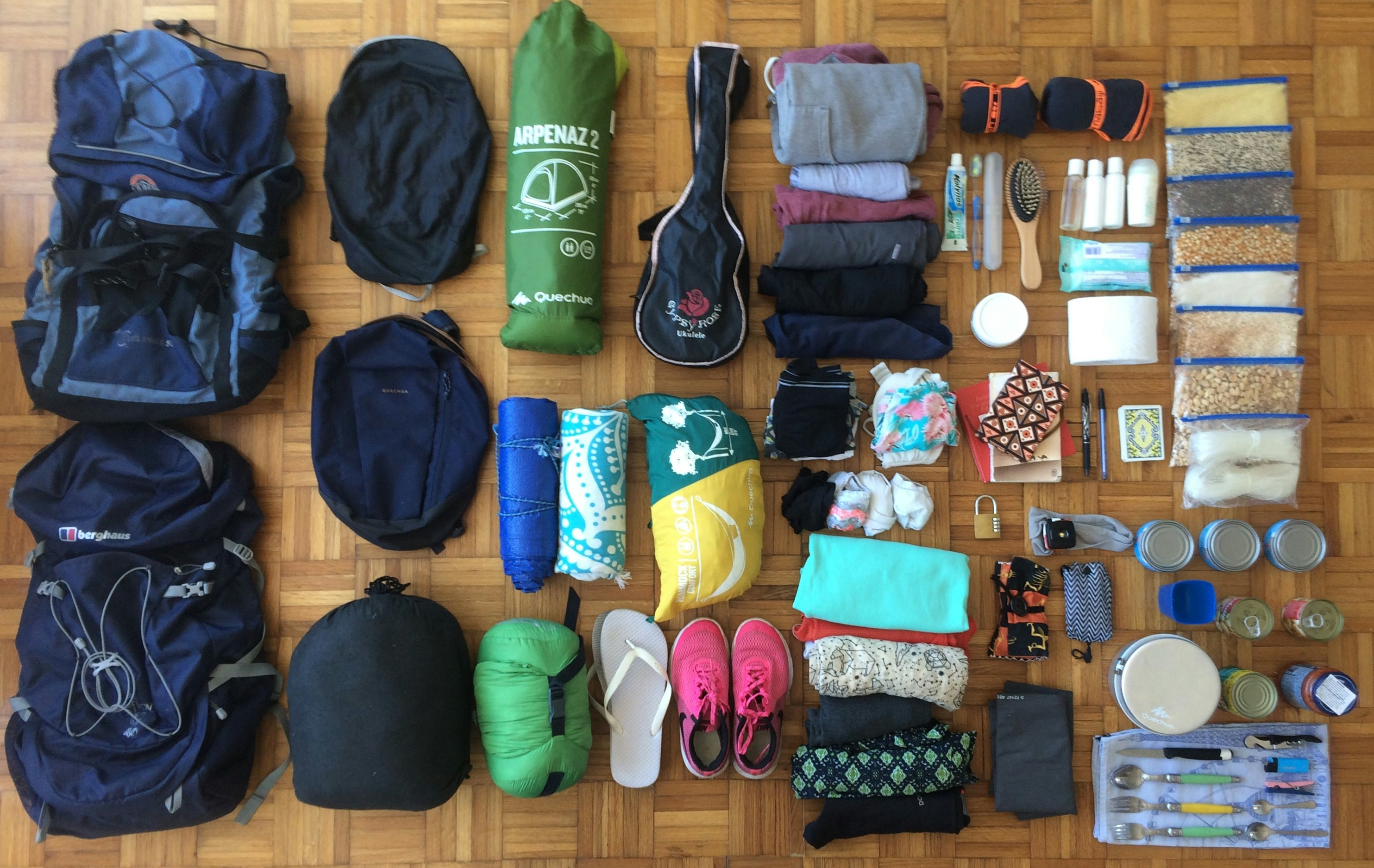
When planning a family camping trip, having the right camping gear is crucial for ensuring a comfortable and enjoyable experience. Families should consider investing in high-quality tents that provide ample space and protection from the elements. A reliable tent not only offers shelter but also serves as a cozy retreat after a day filled with outdoor adventures. Choose a tent that is easy to set up, weather-resistant, and spacious enough to accommodate your entire family.
Equally important are sleeping bags, which play a significant role in ensuring a good night’s sleep. Opt for sleeping bags that are rated for the climate you will be camping in, and consider lightweight options for ease of transport. For families, sleeping bags with additional room or even double sleeping bags can enhance comfort and snuggling opportunities for younger children.
Cooking equipment is another essential aspect of family camping gear. Portable camp stoves and cookware allow families to prepare meals together in the great outdoors, maintaining a sense of home while enjoying nature. Consider packing durable utensils, biodegradable soap for easy cleaning, and perhaps even a cooler to keep perishable food items fresh. Preparing meals around the campfire fosters bonding and creates memorable experiences.
Safety gear should never be overlooked when gearing up for family camping trips. Essential items such as first aid kits, flashlights, insect repellent, and sunscreen should be part of every family’s camping gear checklist. Ensuring that children understand basic safety measures in an unfamiliar environment can also significantly enhance the overall safety and enjoyment of the trip.
In summary, essential camping gear for families includes a sturdy tent, comfortable sleeping bags, versatile cooking equipment, and appropriate safety gear. Investing in these items will undoubtedly make family camping trips more enjoyable and stress-free.
Choosing the Right Tent for Family Camping
Selecting an appropriate tent is crucial for a successful family camping experience. Families with children require specific features to enhance comfort and convenience outdoors. Various types of tents cater to different needs, offering a range of options depending on family size, camping duration, and weather conditions.
One popular choice for family camping is the cabin tent. This type of tent typically offers ample space and vertical walls, allowing for easy movement and setup of cots or sleeping bags. Cabin tents often come with multiple rooms, providing much-needed privacy for parents and older children. When selecting a cabin tent, ensure it is designed for family use, featuring weather-resistant materials such as waterproof fabrics and strong zippers to withstand unfavorable weather.
Dome tents are another option; they are lightweight and simple to set up, making them ideal for families that prefer to camp over shorter durations or in various locations. Dome tents usually provide a good balance between weight, space, and weather resistance. While they may not offer as much interior space as cabin tents, most dome tents can comfortably accommodate families, provided they are the right size.
Family camping also benefits from tents with features like built-in screen rooms or awnings, which provide extra living space and protection from insects. Some tent models incorporate easy-setup technologies, such as color-coded poles or pop-up designs, which can significantly ease the setup process, especially with children impatiently waiting to explore the great outdoors.
Ultimately, choosing the right tent involves balancing comfort, space, and convenience. Understanding your family’s specific needs, such as the number of occupants and the expected camping conditions, is vital to making an informed decision that will enhance your family’s camping experience.
Kid-Friendly Camping Gear
When planning a family camping trip, ensuring that the gear is suitable for children is vital. Kid-friendly camping gear not only enhances the overall experience but also makes outdoor adventures safer and more enjoyable for young ones. Among the most essential items are child-sized sleeping bags. These sleeping bags are specifically designed to accommodate smaller frames, providing necessary warmth and comfort without the bulk of standard adult-sized bags. Many also feature fun prints and bright colors that can make bedtime more inviting for kids.
Next on the list is a compact and lightweight backpack tailored for children. These packs are typically designed to fit comfortably on a child’s back while containing enough space to carry their personal items such as snacks, tools for exploration, or favorite toys. By having a designated backpack, kids can feel more involved in the camping process and learn the importance of responsible packing.
Incorporating fun camping toys into the gear list is another effective way to foster a love for the outdoors in children. Portable games, such as card games or a simple set of binoculars for bird watching, can help keep kids entertained while waiting for meals to be prepared or during downtime at the campsite. Additionally, items like glow sticks can provide evening entertainment as children explore their surroundings as night falls.
Finally, safety gear designed with children in mind should not be overlooked. This can include child-sized life jackets for lake or river activities, ensuring that kids can engage safely in water sports, and helmets for biking or scooter rides around the campsite. The availability of these specially designed items contributes to a comfortable and engaging camping experience, ultimately leading to lasting memories for the entire family.
Safety Gear and First Aid Essentials
When organizing a family camping trip, especially with children, the significance of safety gear cannot be overstated. Ensuring the well-being of your little ones while exploring the great outdoors requires careful planning and preparation. One of the foundational elements in any camping inventory is a comprehensive first aid kit. This kit should include essential items such as adhesive bandages, antiseptic wipes, gauze pads, and any necessary medications tailored to the specific needs of your family.
In addition to a first aid kit, various safety items should be incorporated into your camping gear. Whistles are a vital addition; they not only serve as a signaling tool in emergencies but also help children learn how to draw attention to their location. Likewise, LED lanterns or headlamps are essential for illuminating the campsite during nighttime, preventing potential accidents that may arise in the dark.
Child safety in the outdoors involves recognizing risks associated with nature and preparing accordingly. Teaching children about the importance of staying close to their guardians is crucial. Establish clear boundaries for play and create designated safe zones where children can engage in activities without venturing too far. Furthermore, discussing the significance of wildlife safety and encouraging respectful observation can enhance their appreciation for the outdoor environment while keeping them safe.
An additional point to consider is providing children with identification tags. In the event of a separation from the group, these tags can help in quickly identifying them and ensuring they remain safe. While the prospect of camping with children is exhilarating, preparing adequately with the right safety gear will not only ease parental worries but will also enable the whole family to enjoy a secure and memorable experience in nature.
Cooking Gear for Family Camping Trips
When embarking on a family camping trip, ensuring that meal preparation is straightforward and enjoyable is critical. The right cooking gear can significantly ease the process, allowing families to focus on creating lasting memories rather than stressing over meal prep. Portable stoves are essential for outdoor cooking; choosing a lightweight and compact option helps facilitate easy transport and setup. Look for options that offer adjustable heat settings for versatility when cooking various meals.
In addition to portable stoves, investing in high-quality cooking tools is beneficial. Durable cookware designed for camping, such as non-stick pots and pans or multi-functional utensils, can streamline the cooking process. Consider including a set of kid-friendly tools, like plastic knives designed for safety, to involve children in the food preparation process, enabling them to gain valuable skills and confidence.
Meal planning is another key aspect of smooth camping trips. Preparing a meal plan ahead of time can help streamline grocery shopping and reduce food waste. Focus on easy, family-friendly recipes that require minimal prep and cooking time. Pre-packaged ingredients, like marinated meats or chopped vegetables, can save significant time. Additionally, consider preparing some meals at home before the trip, such as pasta or stews, which can be reheated on-site.
Focusing on kid-friendly food options, such as kebabs or fruit skewers, can make meals more appealing to children. Involving them in the cooking process with engaging hands-on activities can also enhance the experience. Snacks are vital as well; pack a variety of trail mix, granola bars, and fresh fruits for on-the-go nourishment. With the right cooking gear and thoughtful planning, family camping meals can be delightful and stress-free, making the outdoors an enjoyable culinary adventure.
Staying Organized While Camping
When it comes to family camping trips, staying organized is essential for a smooth experience, particularly when children are involved. With a plethora of gear to manage, implementing effective packing techniques and storage solutions can significantly ease the camping process.
To start with, consider utilizing packing cubes or bags to categorize gear efficiently. Assign each family member their own designated bag for clothing, personal items, and toys, while also creating a separate bag for food and cooking equipment. This method not only simplifies packing and unpacking, but also helps in keeping essentials easily accessible when setting up camp.
Moreover, labeling bins and bags is an invaluable strategy. Clearly marking each container with its contents can aid in both organization and communication. Engaging children in this task encourages them to develop responsibility while helping to instill a sense of ownership over their belongings.
When it comes to storage solutions at the campsite, maximize the use of your available space. Opt for collapsible containers and stackable bins to minimize clutter. A designated area for each type of gear can enhance efficiency; for instance, create a cooking zone that encompasses all cooking gear, and a separate recreation box for outdoor games.
Involve your children in the setting up of these organizational zones. Create a routine where they are responsible for returning items to their specified locations after use. This not only keeps the campsite tidy but also fosters teamwork. Teaching kids to take charge of organizing their gear promotes responsibility and ensures they understand the importance of maintaining an orderly camping environment.
By strategically organizing camping gear through categorization, labeling, and involving the entire family, you can create a more enjoyable camping experience for everyone. Ultimately, these organizational methods will help minimize stress, allowing families to focus on making memories during their adventures in nature.
Entertainment and Activities for Kids
When embarking on a family camping trip, it is essential to engage children in various activities to keep them entertained and to foster a deeper appreciation for the outdoors. One effective approach is to organize a nature scavenger hunt, where kids can explore the natural surroundings while searching for specific items such as leaves, rocks, or feathers. This activity not only stimulates their curiosity but also encourages them to observe their environment closely.
Additionally, families can introduce simple games that require minimal equipment, such as capture the flag or sack races. These games promote physical activity and can easily adapt to different camping locations. Moreover, incorporating educational elements, like identifying local flora and fauna, can make the experience both fun and informative. Storytelling the around campfire can also be a delightful way to wind down in the evenings. Families can take turns sharing tales, encouraging creativity and bonding through shared narratives.
A further exciting option is to organize a stargazing night. Children can be encouraged to identify constellations, planets, and learn about astronomy. With a telescope or even just a star map, this can become a memorable educational experience that fosters a sense of wonder about the universe. Beyond planned activities, it is beneficial to allow kids some unstructured time to play and create, whether it’s building a fort with sticks or engaging in imaginative play with nature.
In conclusion, involving children in outdoor exploration through engaging activities not only keeps them entertained but also helps them appreciate nature’s beauty. A thoughtful selection of games and experiences can transform a camping trip into a memorable adventure, encouraging lifelong learning and appreciation for the outdoors.
Tips for a Successful Family Camping Trip
Planning a family camping trip requires careful consideration to ensure that the experience is enjoyable for both adults and children. One of the foremost steps to take during the planning phase is to select a family-friendly campsite. Consider sites with amenities such as restrooms, clean water, and picnic areas which will contribute to a comfortable camping experience.
Another essential aspect is preparing adequately for the trip. Involve your children in the packing process to help them become more engaged and excited about the adventure ahead. Make a checklist of necessary camping gear, including camping tents, sleeping bags, cooking equipment, and child-friendly items like games or portable entertainment. Taking the time to pack appropriately will ease the stress of forgotten essentials during the trip.
Once at the campsite, setting up camp efficiently sets a positive tone for the trip. Assign tasks to each family member based on their age and capabilities, which fosters teamwork and gives children a sense of responsibility. Teach them how to assemble tents or organize cooking equipment, thus making the camping experience more enriching for them.
Managing expectations is another integral component to ensure a pleasurable camping experience. Discuss with your children what they can expect from the trip, including the potential challenges such as weather conditions and outdoor wildlife encounters. Be succinct about the itinerary but remain flexible. Creating a balance between structured activities and free time allows children to remain engaged without feeling overwhelmed.
Lastly, focus on creating fun memories. Incorporate playful activities such as storytelling around the campfire, nature scavenger hunts, or stargazing. Documenting these moments with photographs can serve as a lovely reminder of the shared experience encouraging both kids and parents to enjoy nature together.