Introduction to Road Trip Planning
Road trips have long been considered one of the most enjoyable ways to travel, granting explorers the freedom to choose their paths and experiences along the journey. The thrill of witnessing changing landscapes and the potential for unexpected adventures contribute to the allure of hitting the open road. However, the key to a successful road trip lies not only in the destination but also in meticulous planning of the stops along the route.
Strategic break points play a vital role in the overall road trip experience. They allow travelers to rest, stretch their legs, and recharge, which is essential for both drivers and passengers. A well-planned itinerary that includes these essential pauses can prevent fatigue, reduce stress, and enhance the enjoyment of the journey. Without proper break points, long hours on the road can become monotonous, leading to frustration and diminished enthusiasm.
When considering where to schedule breaks, it is essential to factor in various elements such as travel time, scenic attractions, and available amenities. The right break points not only offer opportunities for relaxation but can also provide chances to explore local sights, indulge in regional cuisines, or engage in activities that transcend the boundaries of a mere transit experience. This can transform the road trip from a simple journey into a rich tapestry of memories.
Ultimately, thoughtful planning of stopovers contributes to an enriched travel experience, fostering a greater appreciation for the destinations along the way. This blog post aims to guide travelers in selecting better break points, ensuring that their next road trip is both enjoyable and memorable.
Why Choosing the Right Break Points Matters
The selection of appropriate break points during a road trip is a critical aspect of travel planning, influencing both the journey’s efficiency and enjoyment. Well-timed stops can contribute significantly to managing fatigue, a common challenge among long-distance travelers. Incorporating breaks into the itinerary not only reduces physical exhaustion but also promotes mental refreshment, enhancing overall alertness.
One of the primary benefits of strategic break point selection is the positive impact on travel time. While it may seem counterintuitive, well-planned stops can lead to faster overall trip completion, as they help in preventing driver fatigue and maintaining optimal focus on the road. Short breaks, even if just for a few minutes, can rejuvenate the mind, allowing for a safer driving experience and reducing the likelihood of accidents that increase travel time due to necessary detours or complications.
Additionally, the psychological benefits of scheduled breaks should not be underestimated. Anticipating a stop can provide a sense of motivation during the drive, transforming what might feel like an endless journey into manageable segments. These breaks create opportunities for travelers to stretch, hydrate, and refuel both physically and emotionally, fostering a more pleasurable overall experience. Furthermore, exploring local attractions or dining experiences during breaks can turn a regular road trip into an adventure filled with new memories, making the journey itself just as enjoyable as the destination.
In conclusion, carefully considered break points are essential for any road trip. They not only facilitate better management of fatigue but also enhance the psychological well-being of travelers, ultimately leading to a smoother and more enjoyable journey. Taking the time to select the right stops can make a significant difference in the overall road trip experience.
Factors to Consider When Selecting Break Points
Choosing the right break points during a road trip is crucial for ensuring a pleasant and enjoyable journey. Several important factors should guide travelers in their selection of optimal stops. Firstly, the distance from the previous stop plays a vital role; breaks that are too frequent may disrupt the flow of travel, while those that are spaced too far apart can lead to fatigue. A general rule of thumb is to stop every two to three hours, allowing both passengers and drivers a chance to stretch their legs and refresh.
The travel duration is another significant consideration. Longer stretches without breaks can become tiring and unsafe, especially for those driving. It is important to factor in not only the total travel time but also how long each segment feels. Acknowledging personal limits can help in planning for more frequent stops if necessary.
Amenities available at rest stops also influence the decision-making process. Stops equipped with restroom facilities, food options, and ample seating areas can enhance the overall comfort of the journey. Travelers should look for locations that provide opportunities for meals or even quick refueling of both the car and themselves.
Safety considerations should not be overlooked. Choosing well-lit, clean, and well-maintained rest areas is essential to ensure security for all travelers. Such environments promote a feeling of safety and peace of mind during breaks. Finally, personal preferences such as scenic views or local attractions can significantly enhance the road trip experience. Selecting break points that offer picturesque landscapes or interesting landmarks adds an element of enjoyment and education to the journey.
Types of Break Points: Rest Areas vs. Attractions
When planning a road trip, determining the appropriate break points is crucial for enhancing the travel experience. Various types of break points exist, including rest areas, gas stations, and attractions, each offering distinct benefits and drawbacks.
Rest areas serve as convenient spots for travelers to stretch their legs, use restrooms, and enjoy a snack. Typically located along highways, these facilities provide essential amenities in a clean and safe environment, allowing drivers to take necessary breaks to combat fatigue. However, rest areas often lack unique characteristics or activities, which may make them less engaging for those seeking more than just a brief pause.
Gas stations also serve as viable break points. In addition to providing fuel, many gas stations offer snacks, beverages, and sometimes even dining options. This convenience can be beneficial for travelers prioritizing refueling their vehicles while replenishing their supplies. However, while gas stations can effectively facilitate quick stops, they often lack adequate seating areas or the ambiance found in more leisurely break points, potentially making them less appealing for longer breaks.
On the other hand, attractions such as parks, historical sites, and museums provide a unique opportunity to explore local culture and enhance the road trip experience. Allocating time to visit these attractions can offer memorable moments and enrich the journey. However, planning around attractions may require additional time and coordination, which could lead to delays. Moreover, not all attractions are conveniently located along commonly traveled routes, making them less accessible for some drivers.
In conclusion, selecting the right break points depends on the travelers’ priorities, whether they seek rest, convenience, or exploration. By understanding the diverse types of break points available and weighing their respective benefits and drawbacks, road trippers can curate an itinerary that aligns with their needs and preferences.
Creating an Engaging Itinerary: Integration of Break Points
When planning a road trip, creating an engaging itinerary that includes well-thought-out break points is essential for optimizing both driving time and leisure activities. A successful road trip itinerary should balance the need to reach your destination with opportunities to stretch your legs, explore new places, and recharge. An effective approach is to integrate break points by considering the timing, duration, and types of activities that will enhance the overall experience.
Begin by evaluating the total driving time of your journey and identifying key routes and landmarks along the way. A practical guideline is to aim for a driving interval of approximately two to three hours before scheduling a break. This timeframe allows travelers to maintain focus while providing a natural opportunity to take a pause. During each break, consider allocating around 30 minutes to an hour. This duration is typically sufficient for bathroom stops, snack breaks, and brief explorations of the area.
Incorporating specific activities at each break point can significantly enrich the road trip experience. For example, if a stop coincides with a historical site or scenic viewpoint, plan to spend time there to appreciate the local culture or natural beauty. Alternatively, include nearby picnic areas or local dining options to enjoy a meal. Taking the time to investigate potential attractions ahead of the trip can facilitate smoother transitions at each break point.
It is also beneficial to remain flexible with your itinerary. Traffic, weather conditions, or unforeseen circumstances can impact timing, making it important to allow some leeway in your schedule. Use mobile apps to monitor traffic and adjust break timings if necessary. This balanced approach to creating an engaging itinerary with thoughtfully integrated break points will enhance the travel experience, making it both enjoyable and memorable.
Using Technology to Plan Break Points
In the modern world, technology plays a pivotal role in aiding travelers to plan effective break points during a road trip. With a variety of apps and websites available, individuals can enhance their journey by selecting optimal stop locations based on user ratings, reviews, and real-time data analysis.
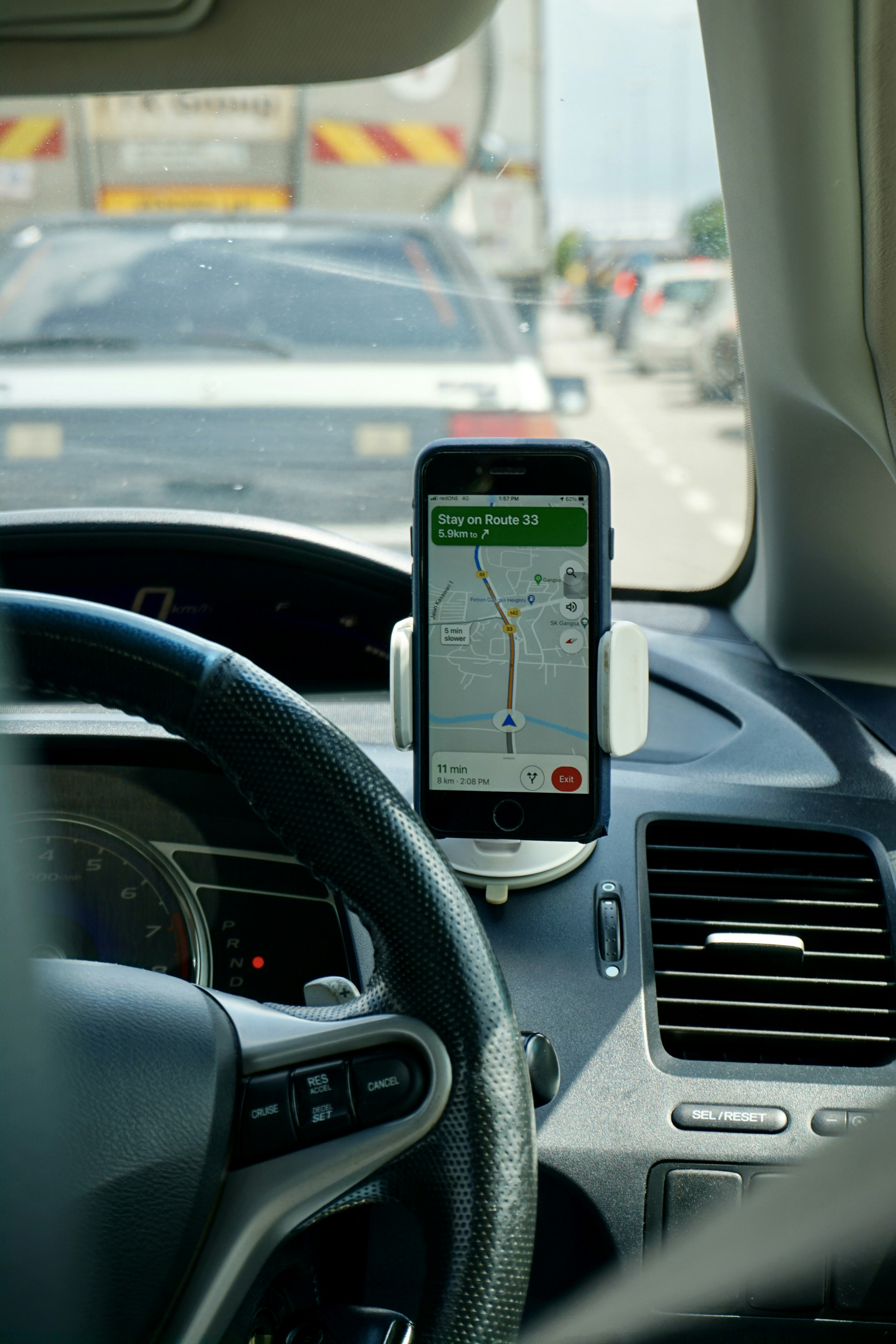
One of the most widely used applications for this purpose is Google Maps. This app not only provides route navigation but also allows users to explore nearby attractions, rest areas, and restaurants along their chosen path. By utilizing the “Search along route” feature, travelers can find break points that fit their needs, whether it’s a scenic overlook or a quick bite to eat. Additionally, Google Maps offers valuable traffic information that helps in assessing travel times and expected delays.
Another prominent resource is Yelp, which specializes in offering user-generated reviews and ratings for restaurants, cafes, and attractions. This platform helps travelers identify popular stops based on community feedback, ensuring a quality experience during breaks. Furthermore, Yelp can also provide insights into local dining hours, so travelers can plan their stops with accuracy.
Moreover, weather apps such as Weather.com can aid in making informed decisions about break points. Utilizing forecasts, users can identify suitable times to stop, avoiding adverse weather conditions that could hinder their comfort. For longer trips, apps like Roadtrippers can help map out multiple stop points by focusing on user interests, scenic routes, and essential amenities.
By strategically leveraging the advancements in technology, travelers can optimize their road trip experiences, ensuring meaningful breaks that cater to their preferences and enhance overall enjoyment.
Local Culture and Cuisine: Enhancing Your Break Experiences
When planning break points during a road trip, engaging with the local culture and cuisine can significantly enrich the overall experience. Traveling is not merely about reaching a destination; it is an opportunity to immerse oneself in different cultures, local traditions, and regional specialties that define the areas one passes through. Taking time to explore these aspects can transform an ordinary trip into a memorable journey.
Researching local restaurants, festivals, and attractions is essential for creating a more engaging and rewarding experience during breaks. Websites and apps dedicated to travel can offer insights into eateries famed for their unique dishes or culinary traditions. An essential first step is to look for locally-owned establishments rather than chain restaurants, as these often provide a more authentic taste of the region.
Moreover, local festivals can enhance a road trip immensely. Many towns host seasonal events celebrating food, culture, or history, creating an excellent opportunity to witness community spirit. Participating in such events allows travelers to connect with locals and gain a deeper understanding of their customs. Additionally, local farmers’ markets can be an excellent spot to explore regional produce and delicacies, providing a delightful pit stop.
One of the joys of traveling is tasting regional specialties. Be it a signature dish, a unique dessert, or locally brewed beverages, experiencing the flavors of a region can be one of the most memorable parts of a journey. Travelers should prioritize trying these culinary offerings, which are often crafted with local ingredients and reflect the area’s heritage.
In conclusion, taking the time to explore local culture and cuisine during break points can significantly enhance road trip experiences, providing deeper insights into the areas traveled, while also sampling the diverse flavors that define various regions.
Safety Tips for Break Points
When embarking on a road trip, choosing suitable break points is vital not only for rejuvenation but also for ensuring safety throughout the journey. One of the foremost concerns should be the security of the vehicle during stops. It is advisable to park in well-lit areas that are frequented by other travelers, as this discourages potential theft or vandalism. Always ensure that all doors are locked and valuables are concealed from plain sight to minimize the risk of opportunistic crime.
Refueling is another critical aspect that requires attention. When stopping to refuel, make sure to exercise caution. Remain aware of your surroundings and avoid distractions such as using a smartphone or engaging with unfamiliar individuals. It is prudent to pay attention to emergency exit instructions posted at fuel stations and to follow local safety guidelines. Moreover, when handling fuel, ensure that you adhere strictly to safe practices to avoid any accidents, such as not smoking or using mobile devices when refueling.
Remaining vigilant is key, particularly in unfamiliar areas. Trust your instincts and consider utilizing well-trafficked, reputable locations for breaks. If a location feels uncomfortable, it is better to seek an alternative spot. Additionally, having a travel companion can enhance safety, allowing for shared vigilance and support in monitoring surroundings. Engaging with locals can be beneficial, but it is essential to remain cautious and aware of personal safety when interacting. By observing these safety tips, travelers can ensure more secure and enjoyable stopovers throughout their road trip, ultimately leading to a smoother and safer travel experience.
Conclusion and Final Thoughts on Break Point Planning
As we have discussed throughout this guide, successful road trip planning hinges on the thoughtful selection of break points. By understanding the significance of these stops, travelers can transform their journey into an enriching experience rather than a mere series of driving hours. The key points we covered emphasize the need to consider multiple factors when choosing break points, such as location, amenities, and activities available.
It is crucial to recognize that break points serve not just as necessary pauses to relieve fatigue, but also as valuable opportunities to explore and connect with the surroundings. Incorporating attractions, local cuisine, or scenic viewpoints into your itinerary can add layers of enjoyment to your travel experience. Each stop can be a chance to create memorable moments, learn about new regions, and enjoy the journey just as much as the destination.
Moreover, taking time to plan your breaks encourages a more relaxed pace, allowing travelers to appreciate their surroundings without feeling rushed. By intentionally selecting stops that align with your interests and schedule, you can cultivate a more gratifying and meaningful road trip adventure. Remember, each break point is a chapter in your journey, and giving them the attention they deserve may enhance not only your travels but also the bonds created among fellow travelers.
In conclusion, the thoughtful planning of break points is an indispensable aspect of road trip preparation. By choosing well, you can ensure that your journey is not merely a passage from one place to another, but a collection of enriching experiences that make for an unforgettable trip.