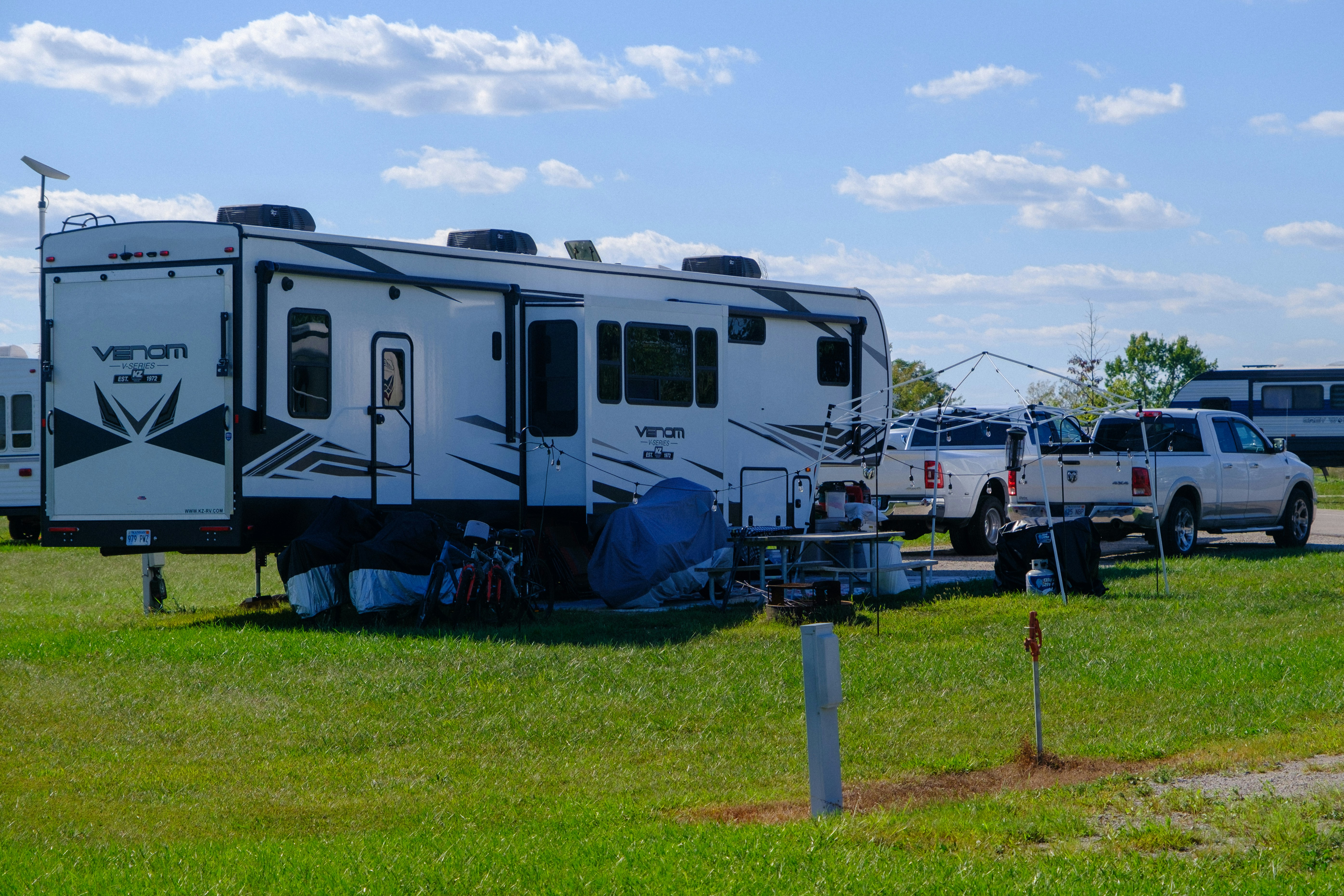
Introduction to RVing for Beginners
Recreational Vehicle (RV) travel offers an exhilarating sense of adventure and a unique way to explore the great outdoors. The appeal of RVing lies in its ability to combine the comforts of home with the freedom to roam. For beginners, entering the world of RVing can seem daunting, yet with the right guidance, it can become an incredibly rewarding experience. The thrill of hitting the open road, discovering new landscapes, and forging unforgettable memories with family and friends is what draws many newcomers to this mode of travel.
As you embark on your RV journey, you will find that planning is key to ensuring a smooth transition into this lifestyle. A well-thought-out checklist is essential, as it provides the framework for what you need to consider before you set off. Key aspects include vehicle selection, route planning, campsite booking, and understanding RV maintenance. These factors contribute significantly to a successful trip, allowing you to enjoy the journey rather than stressing over logistics.
Additionally, knowing how to properly set up your RV, understanding the various hookups for water, sewage, and electricity, and learning safe parking practices are crucial. Each of these elements can impact your overall experience, making it important to familiarize yourself with the necessary procedures. This guide aims to cover all these aspects, presenting clear instructions alongside practical advice to enhance your RVing experience. For those new to RV travel, embracing this unique form of exploration can lead to lifelong benefits. Your adventure awaits!
Essential RV Checklist for Beginners
Preparing for your first RV adventure is an exciting experience, but it can also be overwhelming. Having a comprehensive checklist is essential to ensure that you pack everything necessary for a convenient and enjoyable trip. Here is a curated list of must-have items and equipment for beginner RVers.
Safety Gear: Safety should always be a priority while traveling in an RV. Be sure to pack a first aid kit, fire extinguisher, and carbon monoxide detector. Additionally, consider including a roadside emergency kit, which can contain flares, jumper cables, and a tire inflator. Having these items on hand can significantly enhance your peace of mind during your travels.
Camping Supplies: For camping, certain supplies are indispensable. Bring along a tent (for additional sleeping space, if needed), portable chairs, and outdoor cooking equipment, such as a portable grill, utensils, and coolers. Consider packing a ground tarp and a compass for better outdoor navigation. Other essential items may include lanterns or flashlights and a multi-tool.
Kitchen Essentials: The RV kitchen may be compact, but it requires some essential items to function well. Stock up on basic cooking utensils, pots and pans, plates, cups, and cutlery. Don’t forget dish soap and sponges for cleaning up after meals. It is also wise to pack non-perishable food items that are easy to cook, as well as snacks to fuel up during your travels.
Personal Items: Lastly, consider your personal needs. Bring along toiletries, medications, clothing appropriate for the weather, and comfortable footwear for hiking. If you have pets, remember to pack their supplies as well, including food, leashes, and a sleeping mat. Ensure that you have entertainment items, such as books or games, to enhance your leisure time.
Using this essential checklist will help any beginner RVer prepare adequately for their journey, ensuring nothing important is left behind and enhancing the overall travel experience.
Getting Started: Setting Up Your RV
Setting up your RV for the first time can be an exciting yet daunting task. The initial preparations are crucial for ensuring a smooth experience, both on the road and while parked. Begin by thoroughly inspecting the exterior of your RV. Check for any damages, loose connections, or leaks that might have occurred during transit or before your journey. Making sure that the vehicle is in optimal condition will also save you from potential troubles later on.
Next, focus on the interior space of your RV. It is essential to organize and secure all your belongings to prevent clutter and ensure safety while driving. Designate specific areas for items such as cooking equipment, cleaning supplies, and personal belongings. Familiarizing yourself with the layout of your RV makes the process easier; take time to note where key functions like the refrigerator, bathroom facilities, and storage compartments are located.
Before any trip, it is vital to ensure that all systems within the RV are functioning adequately. This includes testing electrical systems, water supply, and the propane setup. Turn on the lights and appliances to check their operation. If your RV has slide-outs or awnings, familiarize yourself with their controls and test them as well. Understanding these systems not only enhances your comfort but also ensures safety on the road.
It cannot be overstated how important it is to take the time to read the manufacturer’s manual. This document serves as a guide to your specific RV model, highlighting key features and systems that require attention. Doing so helps in preventing mishaps and enhances your preparedness for any situation that may arise during your journey.
Understanding RV Hookup Basics
For newcomers to the RV lifestyle, understanding the fundamentals of RV hookups is crucial for a successful and enjoyable experience. The three primary services that need to be connected are water, electricity, and sewage. Properly hooking up these systems ensures that your RV operates smoothly and provides all the necessary amenities during your travels.
The first step is connecting the water supply. Most RV parks offer water hookups, typically equipped with a standard garden hose connection. It is advisable to use a designated drinking water hose, which is safe for consumption, to prevent contamination. Begin by attaching one end of the hose to the RV’s city water inlet and the other end to the water supply at the site. Always check for leaks after making the connection and ensure that the hose is not kinked, as this may restrict water flow.
Next, the electrical hookup is essential for powering your RV’s appliances, lights, and air conditioning. Most campgrounds will provide an electrical pedestal with multiple amperage options. Determine your RV’s power requirements, usually between 30 and 50 amps, and use the appropriate power cord to connect your RV to the pedestal. Be sure to turn off the power at the pedestal before making the connection to prevent electrical surges and potential damage.
Lastly, managing waste is a critical part of RV operation. To connect your sewage system, locate the sewer dump station at your campsite. Use a sewage hose to connect the RV’s waste outlet to the station, ensuring that all connections are secure to prevent leaks and odors. After emptying the tank, always follow up by rinsing the hose and disposing of it properly. Understanding these basic hookups not only aids in your RV setup but also enhances your overall camping experience.
Finding the Perfect RV Parking Spot
When embarking on your RV adventure, one of the most critical tasks is finding the perfect RV parking spot. Various options exist, including campgrounds, RV parks, and boondocking locations. Each type offers unique experiences and amenities, catering to different preferences and needs. Understanding these options can greatly enhance your travel experience.
Campgrounds provide designated spaces for RVs and often include essential amenities such as water, electricity, and restroom facilities. Many campgrounds are situated in scenic locations, allowing you to enjoy nature while having a comfortable place to park. On the other hand, RV parks are more commercialized and may offer full hookups, laundry facilities, and recreational options. They are ideal for those seeking a more structured environment during their travels.
For those who prefer solitude and a more rustic experience, boondocking may be the perfect fit. This term refers to parking in remote locations without the typical amenities found in established campgrounds. To boondock safely and legally, it is essential to research appropriate areas, such as Bureau of Land Management (BLM) land or national forests, where overnight parking is allowed.
When selecting a parking spot, always consider safety and accessibility. Look for well-lit areas, especially if you plan to arrive at night. It is equally important to check local regulations regarding overnight parking, as rules can vary significantly from one location to another. Additionally, read reviews from other RV travelers to identify any potential issues or concerns at specific sites.
Ultimately, finding the right RV parking spot involves balancing your comfort, safety, and the type of experience you seek. By exploring various options and gathering information, you will be better equipped to choose a parking spot that enhances your RV journey.
Safety and Maintenance Tips for New RVers
When embarking on the journey of RVing, new users must prioritize safety and maintenance to enhance their travel experience. Regular maintenance checks not only prolong the lifespan of the vehicle but also ensure a safe environment for all occupants. Before setting off on any trip, it is essential to conduct a thorough pre-trip inspection. This includes checking tire pressure, fluid levels, brakes, and lights. Taking the time for these inspections can prevent breakdowns and possible accidents on the road.
Understanding weight limits is a critical aspect of RV safety. Each RV has a designated gross vehicle weight rating (GVWR), which indicates the maximum weight the vehicle can safely carry. Before loading equipment and personal belongings, consult the RV’s manual to ensure compliance with these limits. Overloading can lead to dangerous driving conditions, affecting steering, braking, and overall vehicle stability.
Securing belongings inside the RV is another safety consideration. Items that are not properly stored can become projectiles during driving, potentially causing injury. Make sure to use restraints or storage compartments designed for travel to keep your items safe and secure.
While driving an RV, adopt defensive driving practices. This may involve taking wider turns, monitoring blind spots, and maintaining a safe distance from other vehicles. Adjust driving speed according to road conditions and RV size for optimal handling. When arriving at your destination, make sure to set up in a safe and secure manner. Leveling the RV is crucial to proper functioning of appliances and ensuring a comfortable stay.
By incorporating thorough safety measures and maintaining the RV regularly, beginners can confidently enjoy their adventures on the road while minimizing the risk of issues arising during their travels.
Navigating RV Travel: Tips for First-Time Campers
Embarking on an RV trip can be an exhilarating experience, particularly for first-time campers. However, planning and executing a successful journey requires thoughtful organization and preparation. One of the first steps in navigating RV travel is to select the appropriate route. Unfamiliar territory may present unique driving challenges, particularly when maneuvering a larger vehicle like an RV. Utilizing RV-specific navigation tools or apps can be beneficial, as they highlight suitable roads and potential hazards, ensuring a smoother journey.
When it comes to making reservations, early planning is critical. Campgrounds tend to fill up quickly, especially during peak seasons, so securing your spot in advance can alleviate last-minute stress. Researching and selecting campgrounds that cater specifically to RVs can enhance your experience. Some parks offer amenities like dump stations and electrical hookups, which are essential for uninterrupted travel.
Managing your travel times is another key aspect of RV travel. Unlike traditional vehicles, RVs often require more time for stops and refueling. Adopting a flexible mindset by allowing for additional travel time can significantly enhance your overall experience. It’s advisable to limit daily driving hours to about six hours, which provides sufficient time to unwind and explore attractions along the way.
Finally, understanding the unique aspects of traveling in an RV compared to other forms of transport can lead to a more enjoyable trip. The ability to pack up and move to a new destination with ease is a notable perk. However, first-time campers should become familiar with RV systems, including water and waste management, to navigate the journey confidently. Overall, proper planning and an understanding of the nuances of RV travel can set the foundation for a memorable adventure.
Dealing with Common RVing Challenges
Embarking on an RV journey offers exciting adventures and experiences; however, it is essential to understand that challenges may arise during your travels. Some of the most common challenges faced by beginners in the RVing community include unexpected weather changes, mechanical issues, and resource accessibility while on the road.
Weather can be unpredictable, leading to situations where you may need to change your planned itinerary quickly. Always check the forecast before setting out, and be prepared for conditions that may require you to alter your route or adjust your activities. Carrying emergency supplies such as blankets, non-perishable food, and water can be beneficial in case you become stranded or have to seek shelter due to adverse weather conditions.
Mechanical issues with your RV are another frequent concern. Regular maintenance, such as checking the engine, tires, and brakes before your trip, is crucial in helping to prevent breakdowns. In the event that mechanical difficulties do occur, don’t panic; try to diagnose the issue using available resources such as online forums and RV repair apps. Keeping a roadside assistance membership can also provide peace of mind, ensuring that you have access to professional help whenever necessary.
Finding resources while on the road is vital for a successful RVing experience. Locating RV-friendly gas stations, campgrounds, and rest areas may require some prior research. Mobile applications that specialize in RV travel can help you locate amenities such as dump stations, Wi-Fi access, and nearby services, making your journey smoother. Additionally, connecting with fellow RVers through forums or social media can provide you with invaluable tips and advice while on the go.
By preparing for these common RVing challenges, you will be better equipped to handle obstacles that may arise, allowing you to enjoy your journey with confidence and ease.
Conclusion: Enjoying Your RV Journey
Embarking on an RV journey represents more than just a mode of travel; it signifies a lifestyle choice infused with adventure, discovery, and connection to nature. Throughout this guide, we’ve traversed essential components crucial to facilitating a smooth experience for RV beginners. From understanding the importance of a well-structured checklist, through the intricacies of setup and hookup, to exploring parking nuances, each segment was aimed at equipping you with the foundational knowledge necessary for confident travels.
As beginner RV enthusiasts, it is vital to appreciate that mastery comes with time. Embrace the learning curve associated with RVing; every trip presents an opportunity for growth and memorable experiences. Adapting to the various challenges and joys that arise while traveling in an RV will not only enhance your skills but will also foster a deeper appreciation for this unique way of exploring the world.
Furthermore, remember to make use of the checklists and guides provided throughout this post. They serve as valuable resources to simplify the preparation process, minimize potential oversights, and enhance your overall travel experience. By staying organized, you can focus more on enjoying the journey and less on logistical concerns.
Ultimately, RVing is about creating unforgettable memories with your loved ones. Whether shared with friends or family, each journey offers the chance to build lasting connections and stories worth recounting. So, pack your essentials, plan your route, and embark with an open heart and mind—your RV adventure awaits.