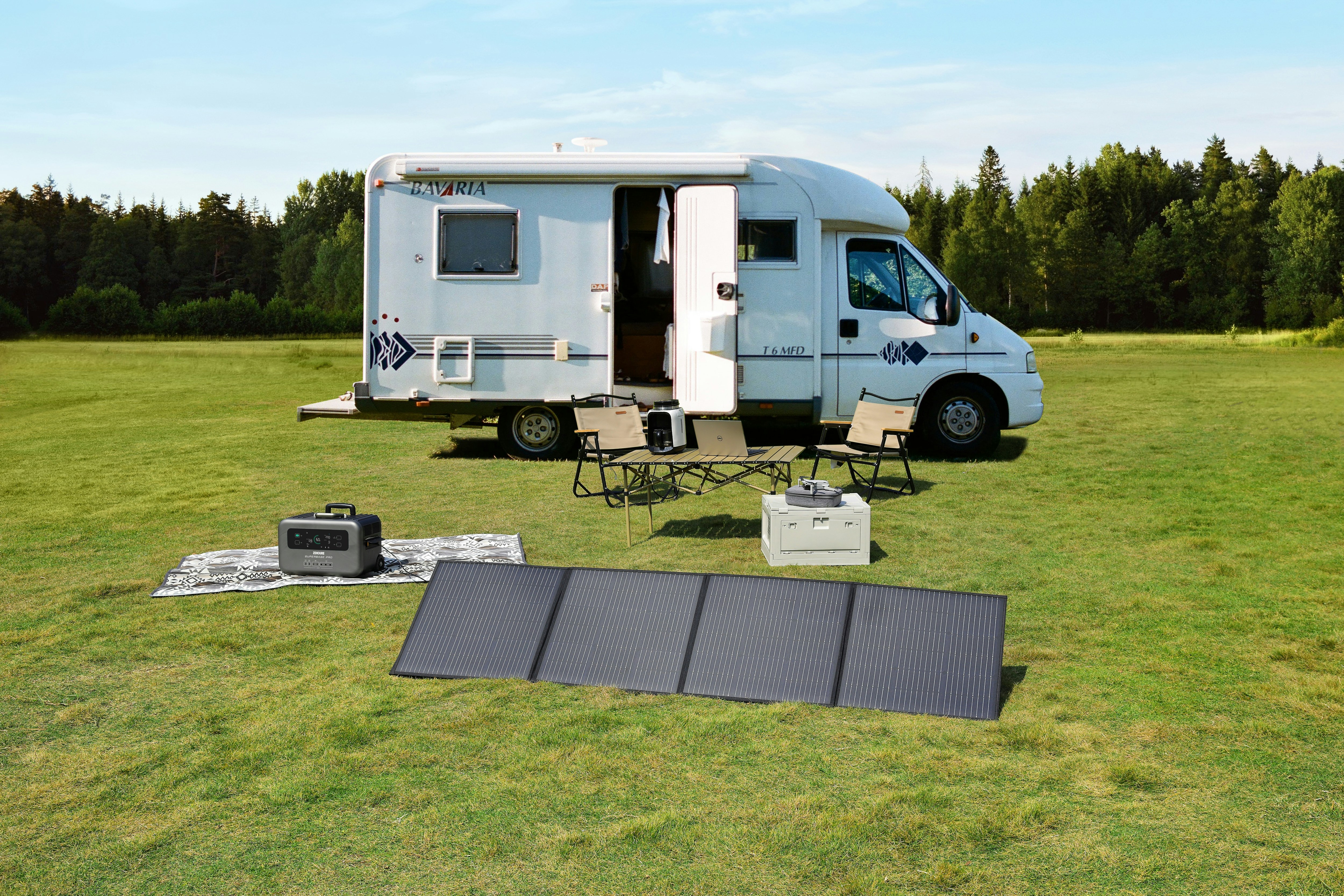
Introduction to RV Boondocking
RV boondocking, often referred to simply as off-grid camping, is an increasingly popular practice among RV enthusiasts looking to escape the hustle and bustle of everyday life. This form of camping allows individuals to park their recreational vehicles in remote locations without the constraints of traditional camping grounds or facilities. Essentially, boondocking positions travelers in the heart of nature, away from crowded campsites and urban environments.
The essence of boondocking lies in its ability to offer freedom—freedom to explore uncharted territories and discover breathtaking landscapes that might otherwise remain untouched. Whether it’s a secluded forest, a serene riverside, or a breathtaking desert vista, the appeal of being surrounded by nature is profound. This lifestyle encourages a deep connection with the environment, providing travelers with the opportunity to unwind and rejuvenate away from modern distractions.
Moreover, the benefits of RV boondocking extend beyond just the immediate proximity to nature. It promotes a sense of adventure and self-sufficiency, as travelers learn to rely on their own resources. Boondocking can foster a profound appreciation for open spaces and the simplicity of life away from constant connectivity. Many choose this camping style to reduce their carbon footprint, as it often involves less use of water and power compared to conventional camping venues.
With the rising interest in outdoor activities and sustainable travel, boondocking has surged in popularity. First-time off-grid travelers are eager to embrace this unique experience, lured by the promise of exploration and the tranquility it offers. As more individuals and families seek to reconnect with nature, RV boondocking presents an intriguing option for those willing to venture off the beaten path.
Essential Preparations Before Boondocking
Preparing for a boondocking adventure requires careful planning and attention to detail. First and foremost, it is essential to ensure that your RV is in optimal condition for off-grid travel. Begin by conducting a thorough inspection of all systems, including the engine, brakes, tires, and electrical components. This preliminary check is crucial for a smooth journey, as it helps identify any potential issues that could arise when away from serviced areas.
Water supply is another critical element of boondocking preparation. Assess your fresh water tank to ensure it is full before departure, as access to water sources may be limited at your chosen locations. Additionally, plan for your typical daily consumption of water and consider bringing extra containers if you will be away for an extended period. Equally important is planning for waste management; research where and how to properly dispose of waste to avoid unpleasant situations. Carry a portable waste tank or utilize garbage bags, as appropriate, making sure to follow local regulations.
Beyond vehicle and water readiness, compiling a list of packing essentials is vital. Ensure you have necessary supplies such as non-perishable food, cooking equipment, a first aid kit, and emergency gear like a flashlight and multi-tool. Adequate clothing for varying weather conditions, sturdy shoes, and outdoor equipment will enhance your comfort and safety. It is also advisable to have an emergency plan in case of unforeseen issues, which may include a detailed map of the area you will be exploring as well as a backup communication device.
Choosing the Right Boondocking Location
Selecting an appropriate boondocking location is essential for first-time off-grid travelers to ensure a safe and enjoyable experience. Numerous factors should be taken into account when seeking the perfect spot. One of the primary considerations is accessibility. It is vital to evaluate the road conditions leading to your chosen location, ensuring that they are suitable for your RV type and skill level. Some areas may require four-wheel drive or may be marked as difficult to reach during certain seasons.
Legal aspects also play a significant role in choosing a boondocking site. Before setting out, it is imperative to verify the legality of off-grid camping in the area. Many public lands, such as those managed by the Bureau of Land Management (BLM) or U.S. Forest Service, offer permissible boondocking options. However, local regulations can vary; therefore, consulting maps and online resources is critical. This helps to avoid potential fines or forced relocations during your stay.
In addition to accessibility and legality, the importance of safety and comfort cannot be overstated. Assess the proximity of nearby cities or towns in case of emergencies, as well as the availability of necessary amenities like water sources, dump stations, and waste disposal facilities. If you are traveling with pets or children, ensure that the environment is suitable and secure for their needs.
Lastly, seeking recommendations from fellow RVers, online communities, or boondocking apps can provide valuable insights. Many experienced travelers share reviews of locations and their personal experiences, which can help you discover hidden gems that are both enjoyable and practical. By considering these factors, you can successfully identify the optimal boondocking location that suits your needs and preferences.
Understanding RV Power Needs and Solutions
When embarking on a boondocking adventure, it is essential to understand the power needs of your RV. Proper power management is crucial to ensure a comfortable off-grid experience. Boondocking often occurs in remote locations where conventional power sources are unavailable, making alternative energy solutions necessary. Here, we will explore various options for power sources, including solar panels, generators, and battery systems.
Solar panels are becoming increasingly popular among RV travelers for their efficiency and sustainability. These panels convert sunlight into electricity, providing a clean and renewable energy source that can power essential appliances such as lights, refrigerators, and fans. Additionally, the installation of solar panels allows for greater autonomy, as the sun is a reliable and abundant resource in many regions. It is advisable to size your solar system based on your energy requirements, which can be calculated by assessing the wattage of your devices and the number of hours they will be used.
Generators present another viable option for generating power while boondocking. They can be especially beneficial during periods of extended cloudy weather when solar panels may not perform optimally. Portable generators, typically powered by gasoline, propane, or diesel, offer great flexibility and can be used to recharge batteries or directly power RV appliances. However, noise and emissions are critical factors to consider when choosing a generator, as many boondockers prefer quieter, more eco-friendly options.
Battery systems, particularly deep cycle batteries, store energy generated from solar panels or generators. They are essential for maintaining power during the night or periods of high demand. Managing battery life is key to successful boondocking, and strategies such as limiting the use of high-wattage devices, switching off appliances when not in use, and utilizing LED lighting can significantly extend battery life. Monitoring your power consumption and understanding your RV’s electrical system will help maximize your off-grid experience.
Water Management Tips for Boondocking
Water is a fundamental resource for any off-grid adventure, particularly when boondocking. Understanding effective water management ensures that travelers can enjoy their trips without the inconvenience of running out of this essential resource. Proper planning, sourcing, and usage are vital components of a successful boondocking experience.
To begin, identifying fresh water sources is crucial. Natural springs, rivers, and lakes can be good options for supplying your needs; however, caution is advised since not all sources provide clean water. Always check local regulations regarding water sourcing, as some areas may restrict access to certain sites to preserve the environment. If you find a suitable source, ensure you have appropriate containers for collection.
Purification methods are essential to guarantee water quality. There are several effective techniques that boondockers can employ, including boiling, using chemical tablets, or utilizing a portable water filter. Boiling water is a straightforward and reliable method that kills most pathogens. Chemical tablets are convenient but require time to take effect, while portable filters can quickly render water safe to drink, making them invaluable for those on the move.
Furthermore, it is imperative to consider water storage solutions when boondocking. Invest in quality water containers that are easy to fill and carry. Large storage tanks can be beneficial for longer trips, while smaller collapsible containers work well for short jaunts. Additionally, keeping water cool and away from sunlight will help prevent unwanted algae growth.
Lastly, conserving water is pivotal during an off-grid trip. Implement practical practices such as short showers, using wipes instead of water for cleaning, and reusing water when possible. Simply being mindful of one’s consumption can significantly prolong the water supply on a boondocking trip.
Waste Management and Leave No Trace Principles
Boondocking, while offering an exhilarating opportunity to connect with nature, brings with it the critical responsibility of effective waste management. Ensuring that waste is appropriately disposed of is essential for maintaining the natural environment and promoting sustainable practices. It is vital for travelers to recognize that improper waste disposal can have damaging impacts on ecosystems and wildlife.
One of the primary tools for effective waste management while boondocking is the use of portable toilets. These compact and convenient options allow travelers to manage human waste responsibly. When selecting a portable toilet, it is important to choose one that suits your vehicle size and travel needs, ensuring that it can be securely stored when not in use. Additionally, using biodegradable bags specifically designed for waste can simplify the process of collecting and disposing of refuse, making this task less burdensome.
Moreover, beyond personal waste, all forms of refuse generated during the camping experience – including food scraps, packaging, and other trash – should be collected and taken to appropriate disposal locations upon departure. Follow the principle of leaving no trace: always carry out what you carry in. This principle operates on the belief that travelers should minimize their impact on the environment to preserve its pristine condition for future visitors.
Practicing respectful interaction with nature is integral to an enjoyable boondocking experience. By adhering to Leave No Trace principles, individuals not only protect local flora and fauna but also enhance the overall enjoyment of the outdoors. Following these guidelines ensures that natural areas continue to be cherished spaces for exploration and serenity, fostering a deep appreciation for the environment while supporting responsible travel practices.
Essential Gear and Supplies for Boondocking
Boondocking, or camping off the grid, offers the unique opportunity to immerse oneself in nature while enjoying a sense of freedom away from traditional campgrounds. However, to ensure a successful boondocking experience, first-time travelers must equip themselves with essential gear and supplies. Proper preparation plays a pivotal role in enhancing comfort, safety, and overall enjoyment during your off-grid adventure.
Firstly, a reliable power source is crucial for any boondocking setup. Portable solar panels or a generator can provide needed electricity to power essential devices. These power sources should be complemented by high-quality batteries to store energy for use during cloudy days or nighttime. Furthermore, having compatible charging devices for your electronics will ensure you remain connected and can navigate effectively.
Cooking equipment is another key consideration. A compact camp stove or portable grill can facilitate meal preparation. Additionally, investing in lightweight cooking utensils and durable food storage options is advisable for ease and efficiency. When selecting cookware, opt for multi-functional items to minimize pack size while maximizing usability.
Safety equipment should also be prioritized. A comprehensive first aid kit, multi-tool, reliable flashlight, and fire-starting supplies are essential for addressing emergencies. Furthermore, utilizing a quality navigational aid, such as GPS devices or offline maps, helps in avoiding getting lost in unfamiliar terrain. Carrying an ample supply of fresh drinking water, alongside a portable water filtration system, is also vital for health and hydration.
Incorporating these essential gear and supplies into your boondocking preparations will significantly enhance the experience, ensuring you are well-equipped to tackle both the beauty and challenges of the great outdoors. With the right tools at your disposal, confidence will grow, allowing you to savor every moment of your off-grid travel.
Safety Tips for First-Time Boondockers
Safety is a crucial consideration for anyone venturing into the wilderness, especially for first-time boondockers. Taking the necessary precautions can greatly enhance your enjoyment of the experience and avert potential risks associated with off-grid travel. One of the first steps you should take is to ensure your RV is secure when parked. Utilize wheel chocks, engage your emergency brake, and consider using a steering wheel lock to deter potential theft.
Wildlife encounters can also pose risks during boondocking. To minimize these hazards, it is important to store all food and scented items securely within your RV or in bear-proof containers, away from your sleeping area. Always remain cautious when walking or exploring the surrounding terrain, as local animals may pose a threat, particularly if they feel their territory is being invaded.
Preparing for emergencies is another vital aspect of boondocking safety. Carry a first aid kit in your RV and familiarize yourself with its contents. Additionally, have emergency supplies on hand, such as water, non-perishable food, and a reliable means of communication, like a satellite phone or two-way radio, especially in areas with limited cellular coverage. Though the tranquility of being off-grid is appealing, it is prudent to inform a friend or family member about your travel itinerary and expected return time.
While enjoying the solitude of nature, it is also important to stay connected when needed. Establishing clear communication methods, whether through message check-ins or utilizing satellite communication devices, can provide peace of mind and safety assurance. By following these safety tips, first-time boondockers can better prepare for their off-grid adventure, ensuring a safe and enjoyable experience while reconnecting with the great outdoors.
Conclusion and Additional Resources
As we conclude this ultimate RV boondocking guide, it is essential to reflect on the key takeaways that can help enhance your off-grid travel experience. Embracing the boondocking lifestyle offers unique opportunities to connect with nature, discover remote landscapes, and gain independence from conventional camping restrictions. While the initial challenges of finding suitable locations, managing resources, and ensuring safety may seem daunting, the rewards of tranquility and exploration greatly outweigh these concerns.
For first-time travelers, understanding essential boondocking practices can contribute significantly to a successful adventure. It is advisable to conduct thorough research on your chosen destinations, familiarize yourself with local regulations, and prepare your vehicle appropriately for off-grid camping. Mastering the art of packing efficiently while keeping sustainability in mind will ensure that you maximize your enjoyment of the outdoors without compromising the environment.
In addition to the insights shared in this guide, there are numerous additional resources available to assist you on your journey. Websites such as Boondockers Welcome and Allstays provide valuable information regarding boondocking locations and user experiences. Online forums like RV.net offer a vibrant community of fellow travelers who can share tips and advice. For those who prefer print, books such as “The Ultimate Guide to RV Boondocking” may serve as comprehensive references for your excursions.
Ultimately, the RV boondocking adventure awaits you, and with the right preparation and mindset, it can become a fulfilling way to explore the great outdoors. We encourage you to take that first step into the world of off-grid travel, as the journey itself often becomes just as rewarding as the destination.