Introduction to Trucks and Their Significance
Trucks have become an indispensable component of modern transportation and logistics, playing a crucial role in the efficient movement of goods across vast distances. Operated by specialized vehicles, trucks are essential for connecting manufacturers, wholesalers, retailers, and consumers, ensuring that products reach their final destinations in a timely manner. With their capacity to transport various types of freight, including raw materials, finished goods, and perishable items, trucks serve as a lifeline for numerous industries.
The significance of trucks extends beyond mere transportation; they are vital for economic stability and growth. By facilitating the supply chain, trucks contribute to the seamless flow of commerce. This not only aids in the operations of large corporations but also supports small businesses and local economies. In fact, according to studies, a significant percentage of freight tonnage in the United States is moved by trucks, highlighting their prominence in the logistics network.
Moreover, trucks play a unique role in connecting regions that might otherwise be isolated. Rural areas, for instance, rely heavily on trucking to receive essential goods and services. This mode of transport ensures that even the most remote locations have access to supplies, thereby fostering equality and inclusivity in economic participation.
Furthermore, advancements in truck technology are reshaping the landscape of transportation. Innovations in fuel efficiency, emissions reduction, and logistics management are helping the industry meet evolving regulatory standards while maintaining reliability. As sustainability becomes a focal point in global discussions, the trucking sector is actively seeking solutions to minimize its environmental impact, ensuring its relevance in a future that demands greener practices.
In essence, trucks are not just vehicles; they are a crucial element of a complex logistical framework that supports economies on both local and global scales. Their omnipresence on roads underscores their importance, and understanding this significance is the first step towards recognizing the broader implications of transportation in our daily lives.
Types of Trucks and Their Specific Uses
Trucks are an essential component of the modern transportation system. They facilitate the movement of goods across various sectors, adapting to different payload requirements and operational conditions. The categorization of trucks can typically be divided into three main classes: light-duty, medium-duty, and heavy-duty trucks, each serving specialized purposes that enhance overall efficiency.
Light-duty trucks, such as pickups and small vans, are primarily used for personal transportation, small-scale deliveries, and light towing. Their versatility makes them suitable for urban environments where maneuverability is crucial. These vehicles are often employed in the trades, including plumbing, landscaping, and electrical services, making them invaluable for small businesses.
Medium-duty trucks, which include box trucks and larger delivery vans, are commonly used for regional freight transport. They bridge the gap between light-duty and heavy-duty trucks, providing a balance of power and payload capacity, typically ranging from 10,001 to 26,000 pounds. This class of trucks is particularly important for businesses that require frequent movement of goods over medium distances, such as grocery distribution, furniture delivery, and construction materials hauling.
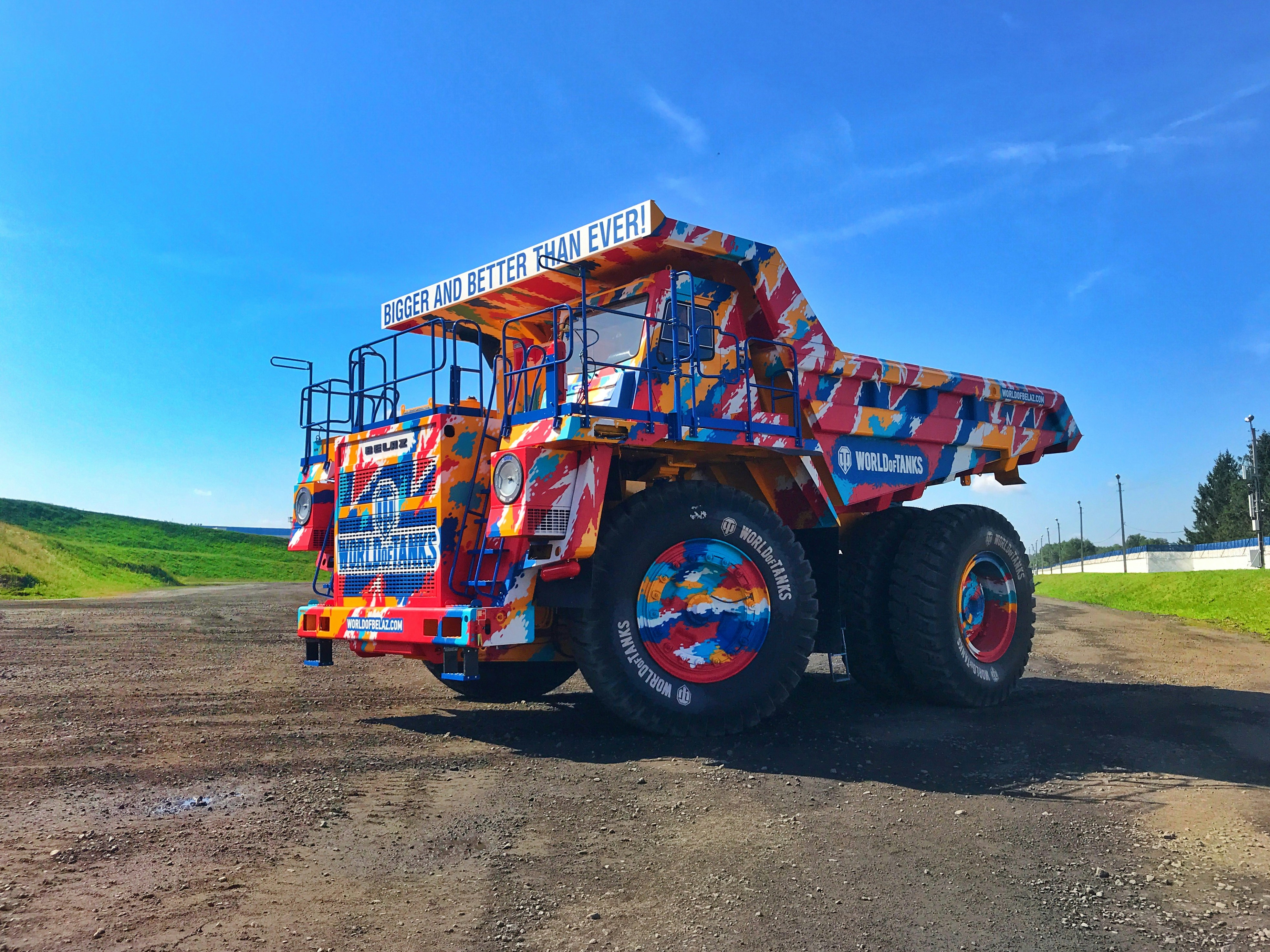
Heavy-duty trucks, including tractor trailers and dump trucks, are designed for long-haul transport and substantial hauling tasks. Capable of carrying loads exceeding 26,000 pounds, these trucks are fundamental to industries such as construction, mining, and waste management. Heavy-duty trucks efficiently transport large quantities of materials and equipment, ensuring that construction sites remain supplied and operational. They are also utilized for transporting agricultural products and manufactured goods across vast distances, significantly contributing to the economy.
Understanding the varied types of trucks and their uses is crucial in appreciating their role within transportation dynamics. From light-duty vehicles addressing local delivery needs to heavy-duty trucks supporting large-scale industrial operations, each category serves a distinct function, enhancing logistics and efficiency in their respective sectors.
How Trucks Revolutionized Supply Chain Logistics
The role of trucks in supply chain logistics represents a cornerstone of modern transportation. Over the past few decades, trucks have significantly transformed logistics practices, particularly in the context of their flexibility and reach. Unlike other forms of transportation, such as trains and ships, trucks boast the unique advantage of door-to-door delivery capabilities. This feature is essential for businesses aiming to optimize their supply chain efficiency.
One of the major impacts of trucks on supply chain management is their ability to facilitate just-in-time (JIT) inventory systems. Businesses can minimize their inventory costs and respond swiftly to market demands by utilizing trucks for timely deliveries. This capacity for rapid transit allows companies to maintain lower stock levels while ensuring customer satisfaction through consistent availability of products.
Additionally, trucks play a crucial role in last-mile delivery services, which is often the most challenging segment of the supply chain. The rise of e-commerce has necessitated an increase in demand for efficient last-mile delivery, which trucks are ideally equipped to handle. This is largely due to their ability to navigate urban environments and reach various geographic locations that may be inaccessible to larger freight carriers. As a result, the integration of trucks into logistics strategies has led to improved delivery times and more reliable service.
Moreover, advancements in technology, such as GPS tracking and route optimization software, have further enhanced the efficiency of truck operations within supply chains. Real-time monitoring allows logistics managers to make informed decisions, improving responsiveness and reducing delays. Thus, the strategic use of trucks not only consolidates supply chain processes but also contributes to operational cost savings.
The Evolution of Truck Technology
The history of trucks is marked by significant technological advancements that have fundamentally transformed modern transportation. In the early 20th century, trucks were primarily utilitarian, serving basic functions with limited technology. Early models, such as the Ford Model TT, were designed primarily for hauling goods short distances. However, as the demand for transportation efficiency grew, innovation began to take center stage.
With the introduction of the assembly line and advancements in manufacturing, trucks gradually evolved. By the 1950s and 1960s, improvements in design and engineering allowed for greater payload capacity and faster transportation. The adoption of diesel engines during this period also marked a significant leap in fuel efficiency, providing truck operators with the means to cover longer distances while reducing operational costs.
As technology advanced into the late 20th and early 21st centuries, trucks saw further innovations including the integration of computer systems for better performance monitoring. The introduction of GPS tracking technology revolutionized logistics, allowing for precise route planning and real-time tracking, which significantly enhanced delivery efficiency. Additionally, manufacturers began to focus on sustainability, leading to the development of fuel-efficient engines and hybrid technology to minimize carbon footprints.
More recently, the emergence of electric trucks represents a transformative phase in the industry. Companies are investing heavily in electric propulsion systems that promise to reduce emissions and operational costs even further. Coupled with advancements in battery technology, electric trucks are poised to change the dynamics of freight transportation, addressing environmental concerns while continuing to meet the growing demands of commerce.
Through each of these stages, the evolution of truck technology has contributed significantly to enhancing performance and sustainability in the logistics sector. Today’s trucks are not just vehicles but intricate systems that improve efficiency and accountability in transportation.
Safety and Regulations in Trucking
The trucking industry is subject to a comprehensive framework of safety regulations designed to ensure the safe operation of commercial vehicles on public roads. These regulations, enforced by governing bodies such as the Federal Motor Carrier Safety Administration (FMCSA) in the United States, outline critical requirements for all aspects of trucking. This includes driver qualifications, vehicle inspections, and the necessity of ongoing safety training for drivers.
Driver qualifications play a crucial role in maintaining safety standards in trucking. Operators must possess a valid Commercial Driver’s License (CDL) and comply with specific age, health, and experience requirements. The FMCSA mandates that drivers undergo background checks and drug testing to ensure they are fit for the responsibilities that come with operating large and heavy vehicles. These measures are integral to minimizing the risk of accidents caused by driver impairment or inexperience.
Equally important, vehicle inspections are a requirement set forth to ensure that trucks are in safe operating condition prior to being on the road. These inspections cover vital components such as brakes, lights, and tires, with the aim of identifying potential issues that could lead to mechanical failures. Routine maintenance and annual inspections are critical for ensuring compliance and, more importantly, for safeguarding the lives of drivers and other road users.
Lastly, safety training for drivers cannot be overlooked. Comprehensive training programs provide drivers with the knowledge and skills necessary to navigate various driving scenarios, handle emergencies, and adhere to traffic laws. Continuous education is essential as it also helps to instill a culture of safety within companies, further reducing the frequency of accidents and enhancing overall compliance with regulations.
Environmental Impact of Trucks and Sustainable Practices
Trucks play a vital role in modern transportation and logistics, but their environmental impact is a growing concern. Traditional diesel trucks contribute significantly to greenhouse gas emissions and air pollutants. The transportation sector is responsible for a substantial portion of carbon dioxide emissions, with heavy-duty trucks being a major contributor. These emissions lead to global warming, respiratory issues, and other environmental challenges, prompting a need for sustainable practices in the trucking industry.
In response to environmental pressures, the trucking industry is increasingly adopting greener technologies and practices aimed at reducing its carbon footprint. One of the most promising trends is the shift towards electric and hybrid trucks. These vehicles utilize advanced battery technology to operate more cleanly than their diesel counterparts, significantly cutting down greenhouse gas emissions and air pollutants. This transition is not only beneficial for the environment but also aligns with global efforts to combat climate change.
Moreover, many trucking companies are implementing fuel efficiency programs and optimizing logistics to minimize the environmental impact of their fleets. Techniques such as route optimization, regular maintenance, and the use of alternative fuels like compressed natural gas (CNG) are gaining traction. These practices enhance the efficiency of traditional trucks, leading to reduced fuel consumption and fewer emissions overall.
Additionally, regulatory bodies are increasingly mandating stricter emissions standards, pushing the industry towards greener compliance practices. The adoption of technologies such as aerodynamic trailer designs, low rolling resistance tires, and engine efficiency improvements is seeing a rise as companies strive to meet these emerging regulations.
Overall, while the traditional trucking industry has had a significant environmental impact, the shift towards sustainable practices and technologies demonstrates a proactive approach to mitigating these effects. By embracing innovation and adhering to stricter regulations, the trucking sector can play a crucial role in promoting sustainable transportation and reducing its environmental footprint.
The Future of Trucking: Trends and Predictions
The trucking industry stands at a critical juncture, influenced by a myriad of trends that are reshaping its future. One of the most notable trends is the advent of automation in logistics. As technology advances, the concept of autonomous trucks is moving from theoretical discussions into real-world applications. Major companies are investing in research and pilot programs for self-driving vehicles, which promise to increase efficiency, reduce labor costs, and address driver shortages. These developments may lead to significant changes in operational protocols and regulations over the coming decade.
In addition to automation, the rise of electric vehicles (EVs) is significantly impacting the trucking landscape. Environmental concerns and federal regulations have driven manufacturers to develop electric trucks that can minimize carbon footprints. The transition towards electrification is expected to be gradual but transformative, with advancements in battery technology enhancing the viability of electric trucks. Companies are also exploring alternative fuels, such as hydrogen, to provide greener options for long-haul trucking.
Furthermore, changing consumer behaviors are influencing the logistics and transportation sectors. Nowadays, consumers increasingly expect faster delivery times and greater transparency in the supply chain. In response, trucking companies are adopting technology-driven solutions that enable real-time tracking and efficient route planning. The integration of data analytics allows firms to optimize routes, thereby reducing operational costs and improving service levels.
Looking to the future, it is predicted that the trucking industry will continue to evolve in response to these trends. Implementing technology-driven solutions will be crucial for companies aiming to stay competitive. By embracing automation, electrification, and an enhanced consumer focus, the trucking sector is poised for significant growth and innovation in the next decade.
The Economic Contributions of the Trucking Industry
The trucking industry serves as a vital backbone to the modern economy, functioning as an essential facilitator of trade and commerce. With approximately 70% of all freight tonnage in the United States transported by trucks, the industry directly underpins the supply chain of numerous sectors, ranging from manufacturing and retail to agriculture and construction. This broad impact showcases not just the prevalence of trucking, but its indispensable role in ensuring goods reach markets and consumers efficiently.
One of the most significant economic contributions of the trucking industry is its capacity for job creation. It is estimated that millions of individuals are employed in various roles within the trucking sector, including drivers, logistics coordinators, and maintenance professionals. This workforce not only supports their families but also contributes to local economies through spending in their communities. The jobs created extend beyond the trucking companies themselves, influencing sectors such as vehicle manufacturing, fuel supply, and repair services.
Moreover, the trucking industry significantly contributes to the Gross Domestic Product (GDP) of nations. In the United States alone, it has been reported that the trucking sector adds hundreds of billions of dollars to the economy annually. This contribution highlights the industry’s role as a key driver of economic activity. Additionally, trucking supports various secondary sectors and small businesses, creating a ripple effect that stimulates economic growth across a broad spectrum of industries. The mere ability of trucks to facilitate timely deliveries and transport of goods enhances commerce and trade efficiency, reinforcing the importance of a robust trucking sector.
Conclusion: The Irreplaceable Role of Trucks in Society
Throughout this discussion, we have highlighted the pivotal role that trucks play in modern transportation and the economy. From facilitating the delivery of goods across vast distances to supporting local businesses, trucks are integral to the smooth operation of our daily lives. They enable the movement of essential commodities such as food, medical supplies, and raw materials, ensuring that communities remain supplied and functional.
The versatility of trucks is one of their most distinguishing features, allowing them to adapt to various industries—from construction and agriculture to logistics and retail. As the backbone of freight transport, trucks account for a significant portion of all freight movement, demonstrating their invaluable contribution to economic growth. The flexibility offered by trucks also supports just-in-time delivery models, which have become essential in today’s fast-paced market where efficiency is crucial.
Moreover, the evolution of trucking technology continues to enhance the capabilities and efficiency of these vehicles. Innovations in fuel technology, route optimization software, and advanced safety features are just a few areas where significant advancements are being made. As the industry progresses towards sustainability, the emergence of electric and autonomous trucks is poised to redefine how transport services are rendered, increasing productivity while minimizing environmental impacts.
In conclusion, the importance of trucks in modern society cannot be overstated. They are not merely a means of transportation, but a vital component that supports the economy and connects communities. As we look ahead, it is clear that trucks will remain indispensable in meeting the evolving needs of our society, allowing for greater integration of global supply chains and enhanced overall connectivity.