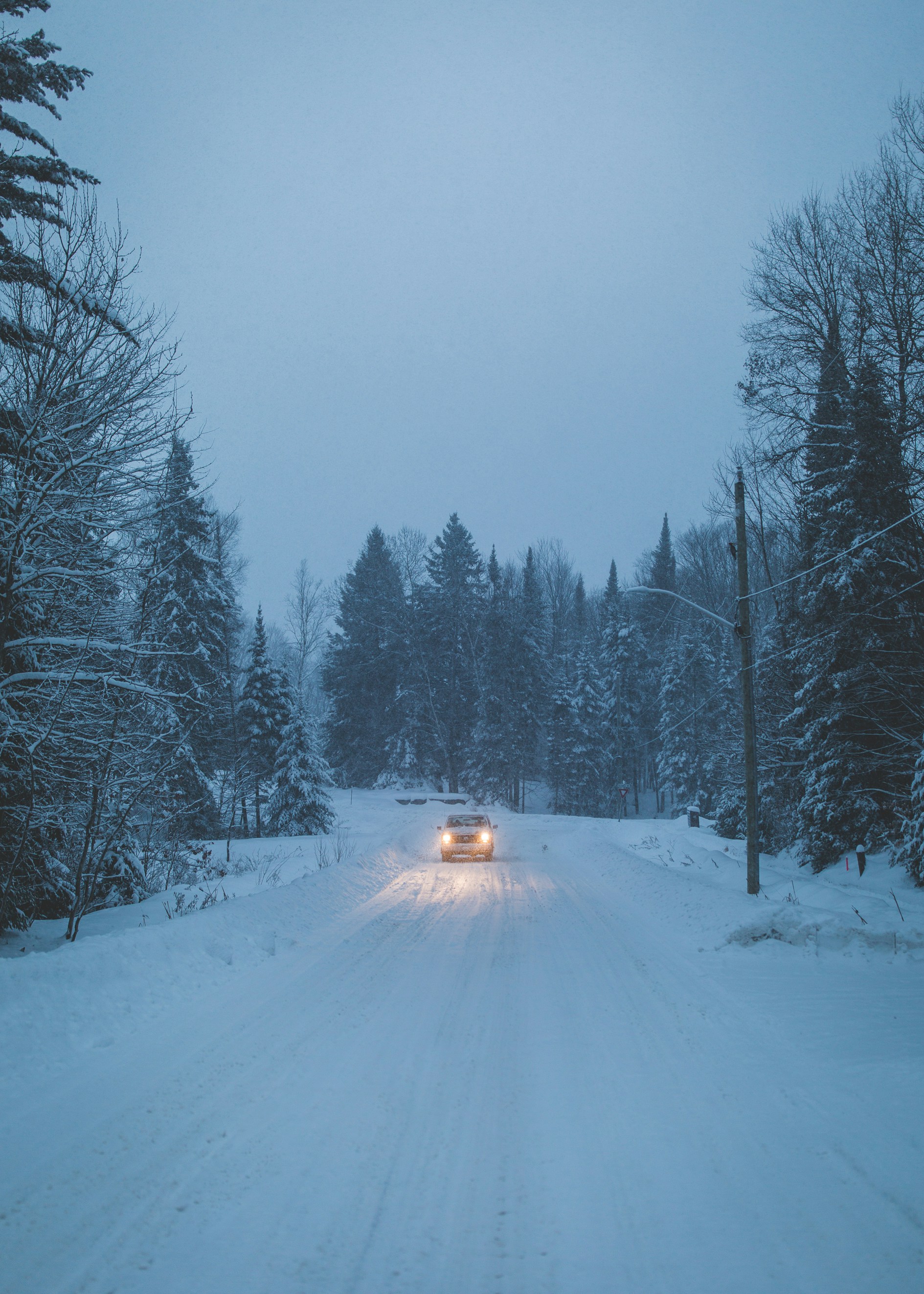
Understanding Winter Driving Conditions
Winter driving presents unique challenges that every motorist must prepare for to ensure their safety and the safety of others on the road. In regions where snow and ice are common, these weather conditions can significantly affect vehicle handling, stopping distances, and overall visibility. Snow accumulation can lead to slippery surfaces, while ice can form unexpectedly even when temperatures seem above freezing. Recognizing these hazards is essential for anybody planning a winter road trip.
Another critical factor to consider is reduced visibility, which can arise from heavy snowfall or freezing rain. Snowstorms can dramatically decrease how far a driver can see down the road, making it more difficult to react to obstacles or other vehicles. Consequently, understanding local weather conditions and consistently checking forecasts are crucial steps before setting out on a winter road trip. Drivers should employ weather apps or local news broadcasts to obtain timely updates, which can inform decision-making regarding route changes or travel delays.
Additionally, it is vital to comprehend how winter weather can affect road surfaces. Roads may look clear, yet they can be coated with a thin layer of black ice, which is barely perceivable. Awareness of this phenomenon can help prevent accidents. To navigate winter road conditions safely, maintain a safe following distance, drive at reduced speeds, and avoid abrupt maneuvers. Preparing for unexpected weather changes is also advisable, including packing emergency supplies and ensuring vehicles are winter-ready with adequate tires and antifreeze. By understanding these inherent risks and behaviors associated with winter driving, motorists can help mitigate dangers associated with cold weather travel.
Preparing Your Vehicle for Winter Travel
Preparing your vehicle for winter travel is an essential task that can significantly impact your safety during road trips in cold weather. One of the first steps to this preparation is checking your tires. Winter tires are specially designed to provide better traction and handling on icy or snow-covered roads compared to regular tires. Ensure that the tread depth meets the legal requirements and is sufficient for winter conditions. Additionally, check the tire pressure, as cold weather can cause it to drop, affecting performance.
Another crucial aspect of vehicle preparation involves inspecting fluid levels. Engine oil, brake fluid, and windshield washer fluid should all be checked and filled if necessary. It is advisable to use winter-grade fluids which are optimized for low temperatures. Antifreeze, in particular, plays a vital role in preventing the engine from freezing. Verify that the coolant system is adequately filled and free of leaks to avoid breakdowns in freezing conditions.
Battery health is also important as cold temperatures can weaken battery performance. Conduct a battery inspection, looking for signs of corrosion or damage, and test the battery’s charge. If it shows signs of weakness or is more than three years old, consider replacing or recharging it to ensure reliable performance during the trip.
Lastly, preparing your vehicle means equipping it with essential winter gear. This should include items such as an ice scraper, snow shovel, warm blankets, and a first-aid kit. Having these items on hand can dramatically increase safety in case of emergencies. By taking these proactive steps to prepare your vehicle, you contribute to a safer travel experience throughout the winter season.
Essential Items for Your Winter Road Trip Kit
Embarking on a winter road trip requires thorough preparation, especially considering the unpredictable nature of colder weather. Equipping your vehicle with an essential winter road trip kit can greatly enhance your safety and comfort during travel. This kit should include the following crucial items:
Blankets: Keeping warm is paramount in winter travel. Packing a couple of blankets can provide insulation if your car breaks down or becomes stranded. Thermal or emergency blankets are compact and highly effective in retaining body heat during unforeseen situations.
Non-perishable Food and Water: Sustenance is vital in emergencies. Bringing along non-perishable food items, such as energy bars, nuts, and canned goods, as well as bottled water, will ensure you have nourishment to sustain energy levels while awaiting assistance or recovery.
First-Aid Kit: An adequately stocked first-aid kit is essential for addressing minor injuries or medical emergencies during your journey. Ensure this kit includes bandages, antiseptic wipes, pain relievers, and any personal medications to cater to the health and safety of all travelers.
Flashlights: In case of a breakdown or emergency, a reliable flashlight is indispensable for visibility during nighttime hours. Opt for a battery-powered flashlight or a rechargeable one, and consider keeping extra batteries to ensure it remains functional.
Jumper Cables: Cold weather can drain your vehicle’s battery faster than usual. Jumper cables should be an essential part of your winter road trip kit, allowing you to revive a dead battery and continue your journey without significant delays.
Snow Shovel: A compact snow shovel can be a lifesaver in winter conditions, allowing you to clear snow from around your vehicle or create a path if you become stuck. Consider a foldable model that is easy to store within your trunk.
By assembling these items in your winter road trip kit, you are taking proactive steps towards ensuring a safer travel experience, effectively preparing for the unique challenges presented by cold weather.
Planning Your Route and Stops
Planning your route is a crucial step to ensure a safe winter road trip. It is essential to consider current weather conditions and potential hazards that may arise during your journey. When embarking on a winter adventure, you should utilize reliable navigation systems to chart your course. These systems often provide real-time updates on road conditions, helping travelers to avoid treacherous areas impacted by snowfall or icy conditions.
As you plan your route, it is advisable to identify designated rest stops along your journey. This approach is particularly important in winter months, where the likelihood of harsh weather can make lengthy drives exhausting or unsafe. Frequent breaks allow for necessary rest, ensuring that drivers remain alert and focused while on the road. It also provides an opportunity to assess the vehicle’s condition—checking the tires, windshield wipers, and anti-freeze levels can prevent further complications.
Staying informed about changing road conditions is vital. Many state transport departments offer resources, including websites and mobile apps, that provide updates on traffic incidents, road closures, and weather forecasts. Engaging with local news outlets or following social media platforms can also yield valuable information, especially for areas that are prone to sudden weather changes. In addition, consider the convenience of GPS applications that provide alternate routes based on current traffic patterns, which can be particularly useful when navigating around unanticipated roadblocks due to weather.
Ultimately, thorough planning of your route and meticulous consideration of potential stops will enhance safety and prepare you for any unexpected challenges. By being informed and prepared, you can enjoy a more pleasant winter road trip experience.
Safe Driving Techniques in Snow and Ice
Driving in snowy and icy conditions requires heightened awareness and the use of specific techniques to ensure safety. One of the fundamental practices is adjusting your speed according to the conditions. Snow and ice can significantly reduce traction, making it essential to drive slower than usual. Reducing speed allows for better control, giving drivers a greater ability to respond to unexpected conditions.
When it comes to braking, the application of pressure should be gradual. Sudden braking can trigger skids, especially on slick surfaces. It is advisable to pump the brakes gently instead of applying them in one firm motion. This technique provides a smoother deceleration and reduces the risk of losing control of the vehicle.
In the event of skidding, drivers should steer into the skid, as counter-steering can exacerbate the loss of control. This involves gently turning the wheel in the direction that the rear of the vehicle is sliding. Such an adjustment allows for a more controlled recovery from a skid. It is equally important to maintain a safe following distance. From three to four seconds behind the vehicle in front allows adequate reaction time to avoid collisions in slippery conditions. The stopping distance can increase significantly on icy roads, making extra space between vehicles a critical safety measure.
Making safe turns also requires cautious handling of the steering wheel and the gas pedal. Drivers should reduce speed before entering a turn and then gently accelerate after exiting the curve. This technique minimizes the chances of losing traction and helps maintain vehicle stability. By adopting these safe driving techniques, motorists can navigate winter roads with improved safety and confidence.
Responding to Emergencies on the Road
Winter travel can be unpredictable, which makes it vital to prepare for emergencies that may arise while on the road. Common scenarios include getting your vehicle stuck in snow, experiencing a breakdown, or encountering an accident. Understanding how to respond to these emergencies not only enhances your safety but also aids in a smoother recovery.
Firstly, if you find yourself stuck in snow, remain calm and assess the situation. Avoid spinning your wheels as this can dig your tires deeper into the snow. Instead, try to shift your vehicle into a lower gear and gently accelerate while steering from side to side. Utilizing items such as kitty litter, sand, or even floor mats can help provide traction under the tires. If you are unable to free your vehicle, make sure to stay with your car if it is safe to do so, as it can serve as shelter until help arrives. It’s also important to keep the exhaust pipe clear of snow to prevent carbon monoxide buildup.
In the event of a car breakdown, ensure your vehicle is safely off the road and turn on your hazard lights. If possible, set up reflective triangles or flares to alert other drivers. Communicate your situation with a roadside assistance service or contact emergency services if needed. While waiting, keep warm by staying in the vehicle, using blankets, and running the engine intermittently to avoid draining the battery.
For accidents, prioritize safety first. If it is possible, move vehicles to a safe location to avoid obstructing traffic. Check for injuries and call emergency services if anyone is hurt. Document the details of the incident and exchange information with other parties involved, if applicable. Having an emergency kit in your car can be highly beneficial, containing items such as first aid supplies, a flashlight, and emergency snacks to support you during these unplanned circumstances.
Staying Warm and Safe During a Breakdown
Experiencing a vehicle breakdown during the winter months can be a distressing situation, especially when temperatures plummet. It is essential to focus on strategies that will help you remain warm and safe while waiting for assistance. First and foremost, stay inside your vehicle. The cabin of your car can provide some shelter from the frigid outdoor elements, and remaining inside is generally safer than venturing out.
To conserve heat effectively, ensure that all windows are closed tightly to minimize drafts. You can also wrap yourself in blankets or clothing items that you may have in your vehicle. If you are traveling with others, closely huddle together, as body warmth can help maintain your overall warmth. If you have a scarf or gloves, be sure to wear them, as keeping extremities warm can significantly improve your comfort levels.
It is also crucial to keep your hazard lights activated; this alerts other drivers to your presence and can result in quicker assistance. However, be mindful that running the engine for warmth should be done sparingly due to the risk of carbon monoxide poisoning. If you decide to use the engine for heat, do so intermittently, ensuring that the exhaust pipe is clear of snow or debris to prevent any dangerous fumes from entering your vehicle.
In case of prolonged wait times, try to remain calm. Panicking can lead to poor decision-making, while staying calm can allow you to evaluate your situation and make sound choices. Consider using your phone to connect with roadside assistance services if you are not already in contact with them. Keeping essential numbers saved on your phone or written down can prove invaluable in an emergency.</p>
Traveling during winter can present unique challenges due to unexpected weather changes and road conditions. To ensure a smoother experience, travelers should utilize reliable weather resources and tools to stay informed about current conditions and forecasts.
Mobile applications are an invaluable asset for any winter traveler. One highly recommended option is The Weather Channel app. This application offers comprehensive weather data, including real-time radar, alerts for severe weather, and 15-day forecasts. Travelers can easily customize the app by adding destinations to keep track of changing weather conditions along their route.
Another effective tool is AccuWeather. Known for its accurate forecasting, this app provides minute-by-minute precipitation updates and detailed weather maps. Users can set alerts for their specified locations, ensuring they are informed about any adverse weather that could impact their travel plans.
Additionally, Waze is a community-driven navigation app that not only helps users find the best routes but also shares reports on weather conditions and road hazards contributed by fellow travelers. By integrating real-time traffic information with weather updates, Waze ensures that winter drivers can adjust their routes accordingly.
For those who prefer desktop resources, the National Weather Service (NWS) website provides extensive information on winter weather advisories, warnings, and forecasts tailored to specific regions. Travelers can access alerts pertinent to their travel area and utilize interactive maps for a comprehensive understanding of current conditions.
Incorporating these tools into your travel planning will empower you to make informed decisions and enhance safety as you navigate winter roadways.
Traveling with Kids and Pets in Winter
Traveling during winter poses unique challenges, particularly when children and pets accompany you on your journey. To ensure a safe and enjoyable trip, careful planning and preparation are essential. First and foremost, prioritize the comfort of both children and pets. Dress them in warm layers that can be easily adjusted based on changing temperatures. For pets, consider a well-fitted harness or safety seatbelt to keep them secure during transit.
Safety is crucial in winter conditions. Before embarking on your journey, check the weather forecast for updates on road conditions. Equip your vehicle with emergency supplies, including blankets, snacks, water, and a first aid kit. For children, particularly younger ones, consider entertainment options to keep them engaged during long drives. This can include portable games, audiobooks, or movies, which can help distract from the cold weather outside.
When planning restroom breaks, look for exits with accessible facilities that can accommodate both children and pets. Quick stops can help everyone stretch their legs, reducing discomfort during the drive. Moreover, be mindful of the impact of cold weather on your pet’s well-being. Dogs and cats may require additional attention and care to prevent issues like frostbite and hypothermia.
Finally, maintaining a structured itinerary that allows for frequent breaks can help ease the pressures of long-distance travel in winter. A well-thought-out plan, accommodating everyone’s needs, from snacks and playtime for children to stretching and exercise for pets, can enhance the overall experience. By considering these factors, you can ensure a smoother, safer, and more enjoyable winter road trip for your entire family.