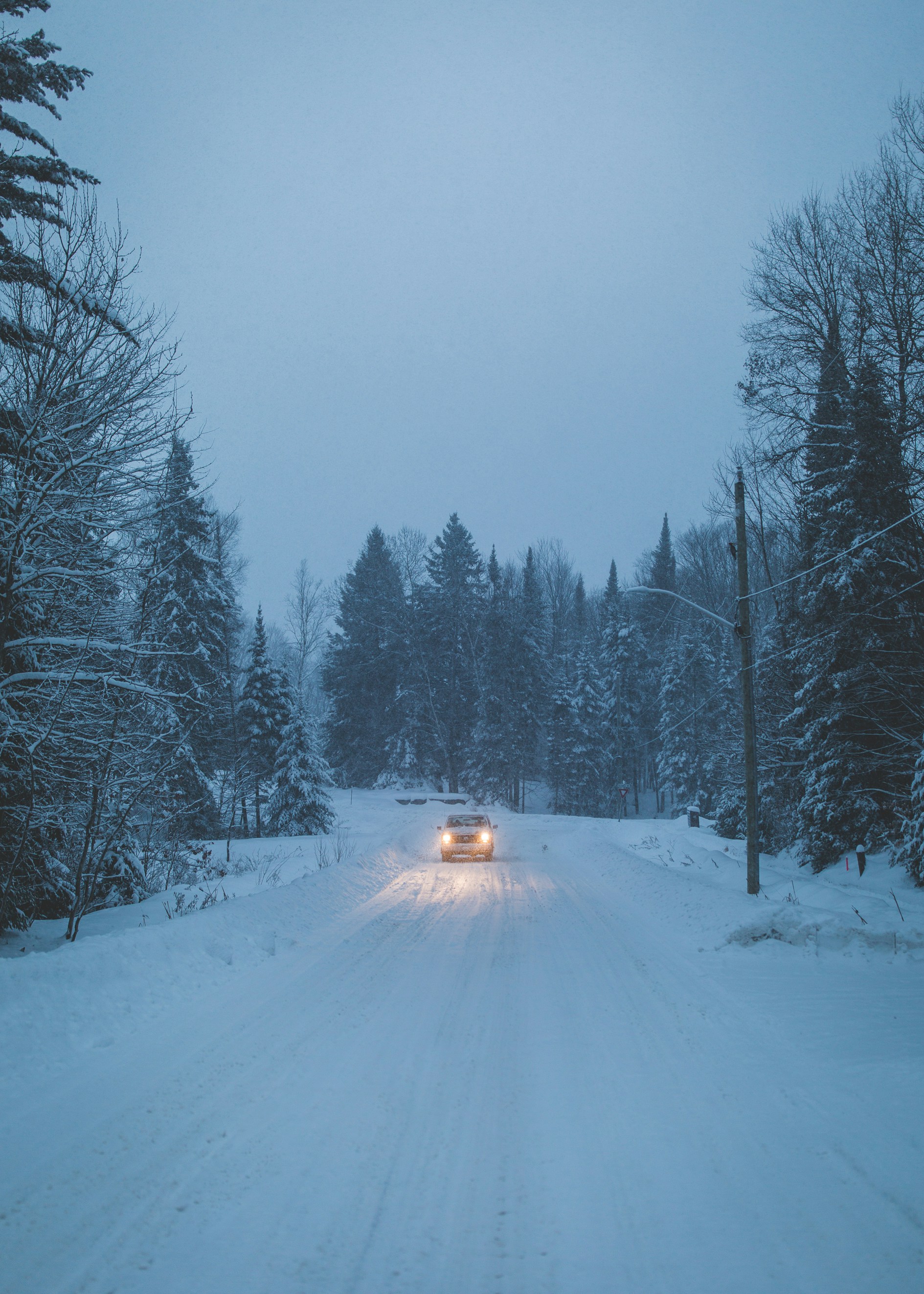
Introduction to Winter Road Trips
As winter blankets the landscape with a serene layer of snow, many travelers are enticed by the allure of embarking on winter road trips. This season presents a unique opportunity to explore the natural beauty of picturesque landscapes transformed by frost and snow, creating an enchanting backdrop that is vastly different from the other seasons. The thrill of adventure ignites as travelers set out to discover charming small towns, majestic mountains, and pristine lakes, all showcasing a different charm against the backdrop of winter.
Winter road trips provide a fantastic escape from the everyday hustle and bustle, allowing individuals and families to forge connections through shared experiences on the open road. The promise of adventure awaits, whether it involves skiing at a local resort, visiting holiday markets, or simply enjoying the stunning views of snow-capped peaks. Many see these journeys as an ideal opportunity to bond with loved ones while indulging in the seasonal magic that winter brings.
However, venturing out during cold weather demands careful preparation for a safer travel experience. The winter months can introduce unpredictable road conditions, including snow, ice, and blustery winds, which pose unique challenges. It is essential for travelers to equip themselves with appropriate knowledge about winter driving techniques, vehicle maintenance, and necessary supplies for the road. By prioritizing safety and preparation, one can fully immerse themselves in the beauty and excitement of winter road trips without compromising their well-being.
Essential Winter Travel Preparations
Preparing for a winter road trip requires careful planning and attention to detail to ensure safety and comfort during cold weather travel. Start by planning your route and being aware of any potential hazards along the way. Utilize navigation apps that provide real-time updates on road conditions and closures due to snow or ice. This proactive approach will help you choose safer roads and avoid unnecessary delays.
Before embarking on your journey, regularly check the weather conditions for your departure and arrival locations. Conditions can change rapidly in winter, so it is wise to review forecasts periodically. Additionally, pay attention to any travel advisories issued by local authorities regarding hazardous weather or road conditions. This information is crucial for modifying your plans if necessary, ensuring that you do not attempt to travel in dangerous situations.
Another significant preparation step is to ensure that your vehicle is winter-ready. Start with a comprehensive vehicle check, focusing on the battery, tires, and windshield wipers. Cold temperatures can affect battery performance, so it’s advisable to test its charge. Ensure that your tires are suited for winter conditions, featuring appropriate tread depth and potentially even snow chains, should you encounter heavy snowfall.
Additionally, stock your vehicle with essential supplies. An emergency kit should include items such as blankets, flashlights, water, non-perishable snacks, a first aid kit, and a fully charged mobile phone with a vehicle charger. In case of unforeseen circumstances, these supplies can prove invaluable.
Lastly, do not forget to inform someone about your travel plans, including your estimated time of arrival. This is an important safety measure that ensures someone is aware of your journey and can check on your well-being if needed.
Driving Techniques for Winter Conditions
Winter driving presents unique challenges that require specific techniques to ensure safety and control over the vehicle. One of the most crucial aspects to consider is maintaining a safe following distance. In icy or snowy conditions, stopping distances can increase significantly. It is advisable to extend the space between your vehicle and the one ahead of you, providing ample time to react in case of unexpected stops or skids. A rule of thumb is to keep at least five to six seconds of distance, depending on the severity of the weather.
Proper braking techniques are integral to winter driving. When approaching a stop or reducing speed, utilizing gentle and progressive braking, rather than abrupt stops, can minimize the risk of losing traction. If your vehicle is equipped with an anti-lock braking system (ABS), press the brake pedal firmly and allow the system to engage, as it helps prevent the wheels from locking up. For vehicles without ABS, employing a technique known as threshold braking—where the driver applies full brake pressure just before the wheels lock—can be effective in maintaining control.
Steering techniques play a vital role during winter weather driving. It is essential to keep a firm grip on the steering wheel and steer smoothly. If you begin to skid, it is important to look in the direction you wish to go and gently steer towards that direction, rather than jerking the wheel sharply. This gradual movement helps regain control over your vehicle. Moreover, it is advisable to avoid sudden movements, whether in braking or steering, as these can exacerbate a loss of traction and lead to further skidding.
Packing the Right Gear
Preparing for a winter road trip necessitates careful packing to ensure safety and comfort amidst cold weather challenges. The first step is to layer clothing appropriately. Thermal base layers, insulated mid-layers, and waterproof outer layers are essential for maintaining body warmth. Accessories such as gloves, hats, and scarves also play a critical role, helping to retain heat and protect from wind chill. It is advisable to choose clothing made from moisture-wicking materials to stay dry and comfortable.
In addition to personal clothing, it is crucial to pack emergency supplies for unforeseen circumstances. A warm blanket can provide much-needed warmth in case of a breakdown, while non-perishable snacks and ample water are vital for staying nourished during the journey. It is smart to carry a first aid kit equipped with necessary medical supplies to address minor injuries or emergencies that might arise on the road.
Furthermore, incorporating tools for tire changes and essential car maintenance is necessary for winter travel. A tire jack, lug wrench, and an air compressor can help quickly resolve flat tire situations, which can particularly be a concern in icy conditions. It is also wise to pack a flashlight with extra batteries, a snow shovel, and a road flare for visibility in case of emergencies. Having these tools readily available can aid in ensuring both safety and peace of mind while allowing for a smoother travel experience.
Managing Car Troubles in Winter
Winter travel can be unpredictable, with harsh weather conditions leading to various car troubles. It is essential to be prepared and knowledgeable about handling these situations to ensure a safer journey. One of the most common issues encountered during winter travel is getting stuck in snow. If you find yourself in this predicament, the first step is to remain calm. Gently steer the wheel from side to side to create a path while avoiding excessive wheelspin, which can dig the tires deeper into the snow. Placing materials such as sand, kitty litter, or even floor mats under the tires can provide additional traction. If you are unable to free the vehicle, consider having someone push from behind while you accelerate gently—just be cautious to avoid spinning the wheels further into the snow.
Another frequent issue during cold weather is a dead car battery. The low temperatures can significantly affect battery performance, leading to difficulties in starting your vehicle. If your engine fails to start, a jump-start may be necessary. Start by locating jumper cables and a functioning vehicle. Attach the red cable to the positive terminal of the dead battery, then the other end to the positive terminal of the good battery. Next, connect the black cable to the negative terminal of the working battery, and finally, attach the other end to a metal ground on the car with the dead battery. Start the functioning vehicle and allow it to run for several minutes, then attempt to start the dead vehicle.
When faced with more severe mechanical issues, it may be time to call for professional help. Signs include strange noises, warning lights, or unrelated dashboard alarms that indicate a problem beyond simple troubleshooting. Having the contact of a local towing service or roadside assistance program can be invaluable when dealing with car troubles during a winter road trip. Being prepared and knowing how to manage these situations allows for a smoother travel experience in unforgiving winter conditions.
Staying Warm and Safe in Cold Weather
Traveling during winter requires careful consideration of how to stay warm and safe in cold weather conditions. One of the first steps in ensuring a comfortable journey is mastering the effective use of car heaters. Before embarking on your road trip, it is important to understand your vehicle’s heating system. Allow time for your car to warm up before setting out and adjust the heater settings for optimal comfort. This not only makes for a more pleasant travel experience but can also enhance visibility by preventing ice buildup on the windows.
While car heaters play a vital role in maintaining warmth, it is crucial to be aware of the dangers of carbon monoxide poisoning. This silent but deadly gas can accumulate if a vehicle is left running in an enclosed space, such as a garage, or if there are exhaust leaks. As a precaution, ensure that your car is well-maintained and that the exhaust system is functioning properly. When venturing out for prolonged periods, regularly check the area around your vehicle for any signs of accumulated snow or ice that may block the exhaust.
If you find yourself stranded during your winter travels, maintaining your body heat becomes paramount. The first recommendation is to stay inside your vehicle, as it can provide shelter from the elements. Use additional clothing layers, blankets, or sleeping bags to retain heat. Running the engine intermittently for heat is acceptable, but make sure to allow the vehicle to ventilate periodically to prevent carbon monoxide buildup. Keeping yourself hydrated and nourished is also important, so carry non-perishable snacks and water on your journey. Additionally, exercise can help generate body warmth, so light stretching or simple movements can serve as effective strategies for staying warm while awaiting rescue.
Finding Accommodation During Winter Trips
When planning a winter road trip, securing safe and comfortable accommodations is crucial for an enjoyable journey. The frigid temperatures and adverse weather conditions necessitate more thoughtful consideration of where to stay. One of the first strategies to implement is booking hotels in advance. Winter months are popular for various travel experiences, which can lead to quickly filling accommodations, especially in tourist-heavy areas. Early booking not only ensures you secure a room but also allows you to compare different options to find suitable lodgings at a reasonable price.
Moreover, prioritize lodgings with effective heating systems. Hotels, motels, and inns should have adequate heating to combat the winter chill. Look for amenities such as central heating, electric heaters, or even cozy fireplaces. Online reviews and descriptions will often highlight these features, helping you make an informed decision. Additionally, it is beneficial to consider accommodations that offer facilities like insulated walls and good window sealing to retain warmth during your stay.
Furthermore, a proactive approach involves calling ahead to confirm current conditions and amenities. Inquire about the heating system’s condition and ask whether any maintenance issues are currently being addressed. This can also help you gauge the hospitality and customer service quality, which may be crucial during winter travels when unexpected issues may arise.
Ultimately, planning your accommodation with these strategies can significantly enhance your winter road trip experience. Ensuring warmth and safety during your travels will not only make your journey more pleasant but will also allow you to enjoy the beauty of winter landscapes without excessive concern for comfort and safety.
Local Laws and Regulations for Winter Driving
Winter driving presents unique challenges that vary by region, necessitating an understanding of local laws and regulations to ensure safe mobility. In many jurisdictions, the use of winter tires is mandated during particular months, as they offer improved traction and control on icy roads. For instance, several Canadian provinces enforce winter tire regulations from December until April, compelling drivers to equip their vehicles accordingly.
In the United States, winter tire laws vary significantly by state. Some states, like Vermont and New Hampshire, recommend winter tires but do not impose strict requirements, while others, such as New York, can fine drivers without them during severe winter conditions. It is crucial for travelers to research the specific regulations in each state they plan to visit, as failing to comply could result in penalties.
Furthermore, the use of tire chains is subject to regulations that also differ across regions. In certain mountainous areas, chains may be required, especially during periods of heavy snowfall. Drivers should be informed about the local chain laws, which often specify when and how chains may be used to avoid accidents on snowy or icy roads. In some cases, there may be restrictions against using chains on certain vehicles.
Additionally, speeding laws during winter months may be modified or strictly enforced in many regions. Many places operate under the principle of ” driving too fast for conditions,” meaning even if one is within speed limits, they could be cited for unsafe driving behavior if road conditions warrant a slower pace. Awareness of these local laws regarding speed limits can help ensure safer travel during winter road trips.
Conclusion and Final Tips for Safe Winter Travels
As we conclude our winter road trip guide, it is essential to reinforce the key points discussed for ensuring safer travels during cold weather conditions. Winter journeys can present unique challenges, including icy roads, reduced visibility, and sudden weather changes. However, by adopting proactive measures and planning ahead, travelers can navigate these challenges and make their experiences more enjoyable.
Prioritizing vehicle maintenance is paramount during the winter months. Ensure that your vehicle’s antifreeze levels are adequate, the battery is functioning properly, and the tire pressure is optimal. Investing in winter tires can significantly enhance traction on slippery roads. Additionally, always carry an emergency kit that includes basics like blankets, food, water, and tools for potential roadside assistance.
Before embarking on a winter road trip, check weather forecasts and road conditions to avoid traveling during severe conditions. Utilizing technology such as navigation apps can provide real-time updates and alternative routes. It’s also wise to share your travel itinerary with friends or family, ensuring someone is aware of your journey and estimated arrival time.
Finally, remember to embrace winter journeys with caution and a spirit of adventure. While the snowy landscapes can be breathtaking, driving in winter conditions necessitates a higher degree of attentiveness. Allow extra time for travel, drive at reduced speeds, and maintain a safe following distance. By implementing these final tips, travelers can not only ensure their safety but also create lasting memories while enjoying the beauty of the winter season. Embrace the adventure of winter travel responsibly and safely.