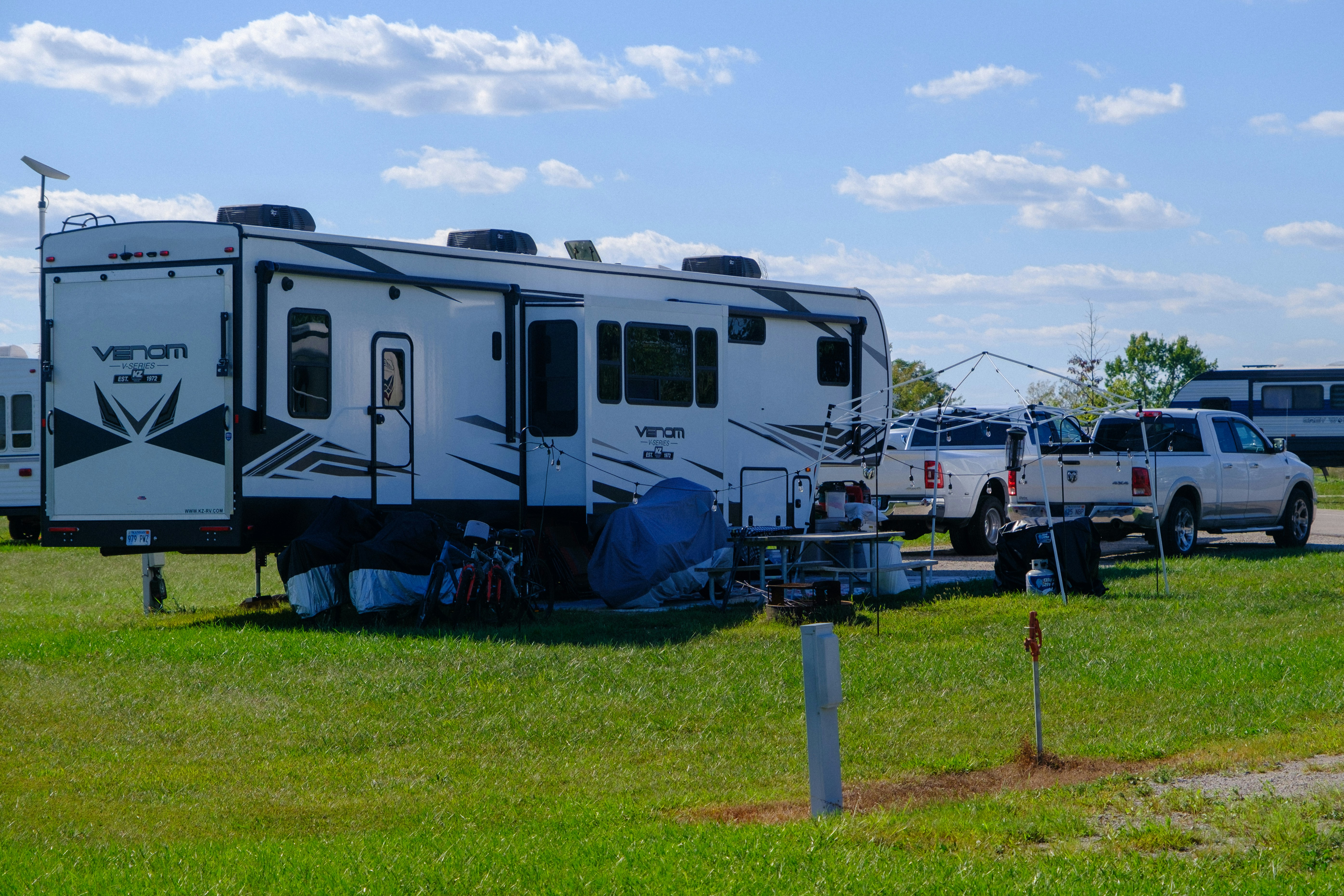
Introduction to RV Living
Recreational Vehicle (RV) living represents a unique lifestyle choice that combines the comforts of home with the thrill of travel. For individuals and families seeking adventure, freedom, and flexibility, RV living offers the opportunity to explore the great outdoors while maintaining a semblance of a traditional home. The appeal of this lifestyle lies in its ability to allow individuals to traverse various landscapes, experience new cultures, and connect with communities across the country without the constraints of permanent residency.
There are several types of RVs available, each catering to different preferences and needs. Motorhomes are self-contained units that come in various sizes, ranging from compact Class B vans to spacious Class A models. These vehicles provide a full living experience with kitchen, bathroom, and sleeping facilities. On the other hand, travel trailers and fifth-wheel trailers need a tow vehicle but offer extensive living space and can be unhitching for more convenient exploration of local areas.
The popularity of RV living has surged in recent years, particularly during and after the COVID-19 pandemic. With travel restrictions and a growing desire for socially distanced outdoor activities, many people have turned to RVs as a means to safely enjoy travel while adhering to health protocols. The sense of security combined with the ability to bleed work and leisure into a seamless experience has attracted a diverse demographic. From retirees seeking a nomadic lifestyle to younger professionals craving adventure, the RV community is increasingly diverse.
This blend of flexibility and community has contributed to the growing momentum of RV living. With advancements in technology and a wealth of resources available online, such as RV parks, maintenance tips, and travel blogs, navigating this lifestyle has become more accessible than ever.
Choosing the Right RV for Your Needs
Selecting the ideal recreational vehicle (RV) for your lifestyle involves careful consideration of various factors, ensuring that your choice aligns with your travel preferences and personal requirements. One of the primary elements to contemplate is the size of the RV, which directly influences the comfort and functionality of your living space. RVs come in various sizes ranging from compact models to expansive units designed for larger families, and assessing the number of passengers you’ll typically accommodate is essential.
Amenities also play a critical role in the decision-making process. Depending on your travel habits, you might prioritize features such as a fully-equipped kitchen, bathroom facilities, sleeping arrangements, and climate control systems. More elaborate models may offer luxuries such as entertainment systems and outdoor furniture, while others focus on simplicity and efficiency, catering to budget-conscious travelers.
When considering an RV, understanding the towing capacity is vital, especially if you intend to tow a vehicle or trailer along your journeys. Evaluating your vehicle’s towing capabilities can help you select an RV that meets your requirements without compromising safety.
Budget is another significant aspect of RV selection. New RVs tend to feature the latest technology and warranties but come with a higher price tag. Comparatively, used RVs can provide substantial savings without sacrificing quality, assuming they have been well-maintained. A thorough inspection and consideration of previous usage history are important in this regard, potentially avoiding unexpected repairs.
Renting an RV prior to making a purchase can facilitate hands-on experience, helping you discover what works best for you. This trial can illuminate the pros and cons of different RV types, whether you’re interested in a Class A motorhome, known for its spacious interiors, or a compact Class B van, offering maneuverability and ease of parking, thereby making an informed decision simpler.
Essential RV Equipment and Accessories
For anyone embarking on the journey of RV living, having the proper equipment and accessories is paramount. Essential gear ensures safety, enhances comfort, and simplifies maintenance while on the road. Below is a breakdown of the must-have items that will make your RV experience both enjoyable and safe.
Safety equipment tops the list. A reliable fire extinguisher, a carbon monoxide detector, and smoke alarms are crucial; these ensure quick responses to potential hazards. Additionally, having a first-aid kit is indispensable, tailored to address common travel-related injuries. Another essential accessory is a tire pressure monitoring system, which can alert you to any issues before they escalate, thus maintaining road safety.
Maintenance tools also play a significant role in RV living. A basic toolkit equipped with wrenches, screwdrivers, and pliers is critical for resolving minor issues on the go. Furthermore, a sewage hose and cleaning supplies are necessary for maintaining the RV’s sanitation system. A portable generator may also be considered for those who wish to boondock or camp in remote locations, ensuring a power supply when conventional hookups are unavailable.
Comfort items can significantly enhance the RV living experience. A quality mattress will provide restful sleep, while outdoor camping chairs and tables can expand your living space outside. Furthermore, consider getting an awning to create shade and protect from the elements, along with RV-specific kitchen gadgets that can save space and promote efficiency.
Optional upgrades can further improve your RV experience. Solar panels are becoming increasingly popular, enabling energy independence and lowering utility costs. Additionally, advanced navigation systems specifically designed for RVs offer optimized routes, steering clear of low bridges and other obstacles. Investing in these accessories not only ensures comfort but also enhances the overall RV lifestyle.
Planning Your RV Adventures
Embarking on RV adventures requires thorough planning to ensure a smooth and enjoyable experience. The first step in creating a well-structured itinerary is to identify the destinations you want to explore, balancing popular attractions with hidden gems. It is advisable to consider seasonal factors, as certain areas may be more accessible and enjoyable at specific times of the year.
Once your destinations are established, create a timeline that allows flexibility for spontaneous exploration. This could mean allocating extra days at certain stopping points or having backups in case of unforeseen circumstances, such as adverse weather conditions that may necessitate route changes.
Finding RV-friendly campgrounds is crucial in ensuring a comfortable stay. Numerous online resources and mobile apps cater specifically to RV travelers, helping to locate campgrounds that accommodate various vehicle sizes and needs. Websites like Campendium and AllStays provide user-generated reviews and essential details about amenities, pricing, and availability, which aid in decision-making. Additionally, consider joining RV communities on social media platforms, where fellow enthusiasts often share campground recommendations and tips for navigating different areas.
Route planning is another vital aspect of RV travel. Utilize advanced navigation tools designed for RVs, which account for vehicle height, weight, and restrictions along your chosen route. Google Maps can be adjusted for RV travel, while dedicated apps like RV Life can help find suitable roads and stops that complement your travel style. Prioritize safety and convenience by planning your driving hours, ensuring you have ample time to set up camp and relax before nightfall.
In summary, strategic planning is the foundation of memorable RV adventures. By thoughtfully considering itineraries, utilizing technology, and engaging with the RV community, travelers can pave the way for fulfilling experiences on the open road.
Maintenance and Care for Your RV
Keeping your RV in optimal condition is essential for a safe and enjoyable travel experience. Regular maintenance can prolong the life of your vehicle and enhance its performance. Routine checks are necessary, focusing on four key areas: the engine, plumbing, tires, and interior.
The engine should receive a thorough inspection regularly, which involves checking oil levels and changing them as necessary. Additionally, inspect the engine belts and hoses for any signs of wear or cracking. It is advisable to follow the manufacturer’s maintenance schedule for service intervals, ensuring that your RV runs efficiently.
Turning to the plumbing system, it is vital to check for leaks in both fresh and wastewater lines. Ensure that the water pump is functioning correctly and inspect the water heater for optimal performance. Before winter, consider winterizing your plumbing system to prevent freezing and protect the integrity of your RV.
Tires also require close attention. Regularly check tread depth and inflation to manage wear and improve fuel efficiency. Rotate the tires periodically to promote even wear, and inspect for any signs of damage or punctures before embarking on any long journey.
The interior of your RV deserves care as well, including regular cleaning and maintenance of appliances. Clean the refrigerator and check all electronics to ensure they function as intended. Ensure that your space remains organized and free of excess items to enhance travel comfort.
Seasonal preparations are key; as seasons change, so do the maintenance requirements. For instance, before winter, it’s important to seal any gaps that may allow cold air in. Similarly, when spring arrives, inspect your RV for potential water damage that could have occurred during winter storage.
Lastly, when facing common issues, having a troubleshooting guide can be invaluable. Familiarize yourself with common problems like electrical failures or refrigerator malfunctions and know the steps to resolve them or when to seek professional assistance.
Living Comfortably in an RV
Living comfortably in an RV requires thoughtful planning and organization to make the most of a limited space. One of the first steps to achieving this is optimizing the available area for both functionality and coziness. Consider multifunctional furniture, such as a sofa that can convert into a bed or tables that can be folded away. This not only saves space but also ensures that each piece serves more than one purpose, allowing for a flexible living environment.
To create a warm and inviting atmosphere, utilize decorative touches like area rugs, throw pillows, and wall art. These elements can significantly enhance the comfort level of your RV, making it feel like home. Additionally, consider incorporating ambient lighting solutions, such as fairy lights or LED strips, which add a cozy ambiance without occupying much space.
Cooking in an RV can pose challenges, but with efficient use of your kitchen area, meal preparation can be enjoyable. Invest in compact kitchen appliances that simplify cooking processes, and store items wisely to maximize your kitchen’s functionality. Utilize vertical space by using shelves or magnetic spice racks, and choose stackable storage containers for your pantry items. Meal planning can ease daily cooking stress, enabling you to prepare delicious meals that cater to your taste while minimizing the mess.
Cleaning and organization are vital components of RV living. Establish a regular cleaning schedule to prevent dirt and clutter from accumulating in your compact space. Invest in storage solutions, such as bins under the bed or hooks for hanging utensils, to keep everything tidy and easily accessible. Additionally, limited space can encourage a minimalist lifestyle, prompting you to let go of unnecessary items and focus on essentials.
By implementing these strategies, you can create a comfortable and functional living environment in your RV. Ensuring efficient use of space while maintaining an inviting atmosphere will enhance your overall RV lifestyle experience.
Staying Connected on the Road
For many RV enthusiasts, maintaining connectivity while traveling has become an essential aspect of the RV lifestyle. Whether for work, communication, or leisure, having reliable internet and phone access while on the road can significantly enhance the overall experience. Fortunately, there are several solutions available to keep you connected, even in remote areas.
One of the most popular options is utilizing mobile hotspots. Many cellular service providers offer plans that allow users to create a Wi-Fi network using their data plan. This can be an effective way to access the internet whenever you are within range of a cell tower. However, coverage can vary significantly based on your location. To mitigate this, consider investing in a robust mobile hotspot device, which often comes with enhanced antennas for improved reception.
Another viable alternative is satellite internet, which provides coverage virtually anywhere on the globe. Satellite internet systems can be more expensive than traditional mobile hotspots, and the equipment can be cumbersome. However, they are undeniably beneficial for those traveling to areas with poor cellular signal. Providers typically offer various plans tailored to different data needs, making it essential to assess usage patterns to choose the right option.
For those who find themselves frequently in areas with sporadic cell service, boosting cell signals may be necessary. Cell signal boosters amplify existing signals, allowing for better call quality and faster internet speeds. However, the effectiveness of these devices can depend on the proximity to a cell tower and surrounding terrain.
Ultimately, balancing off-grid living with the need for technology requires forethought and planning. By choosing the right connectivity solutions, RVers can enjoy the flexibility of their lifestyle without compromising their ability to stay connected to work, family, and friends.
Health and Safety While RVing
Ensuring health and safety while RVing is paramount for a positive experience on the road. One of the first considerations is securing your RV. This involves checking that all windows and doors are properly closed and locked before departure. Additionally, contents within the RV should be stowed securely to prevent shifting during travel. It is also advisable to perform a thorough inspection of the RV’s connections, especially propane tanks, before each trip to avoid hazards while cooking or during extended travel.
Responsible driving is crucial when navigating with an RV. It is recommended to familiarize yourself with the dimensions and weight of your vehicle, as this will affect braking distances and the handling of the RV. Always abide by posted speed limits and be mindful of road conditions, particularly when traveling through mountainous regions or inclement weather. Utilize turn signals well in advance to alert other drivers of your maneuvers, and make sure to practice safe lane changes by checking blind spots carefully.
In emergency situations, such as vehicle breakdowns or medical issues, having a well-stocked first aid kit is essential. This kit should include band-aids, antiseptics, pain relievers, and any personal medications. It is also vital to have a roadside assistance plan in place to handle vehicle malfunctions efficiently. When traveling, be aware of nearby medical facilities and have a list of local hospitals or urgent care centers available. This ensures quick access to care should the need arise, enhancing your sense of security while exploring the open road.
The RV Community and Resources
Becoming part of the RV community can significantly enhance your experience of the RV lifestyle, providing both support and camaraderie. This vibrant community consists of diverse individuals who share a passion for life on the road, and engaging with fellow RV enthusiasts can introduce you to valuable friendships and connections. Social groups, online forums, and organized events serve as platforms for RVers to share stories, exchange tips, and offer encouragement.
Online forums such as the RV Forum or RV.net are an excellent resource for both beginners and seasoned RVers. These platforms allow for the exchange of valuable information, including troubleshooting tips, travel recommendations, and advice on maintenance and upgrades. Additionally, social media groups dedicated to RV living abound with opportunities for networking, fostering connections that can last a lifetime.
Moreover, participating in RV rallies and meet-ups can substantially enrich your journey. These events often focus on specific interests, such as unique travel routes, camping styles, or sustainability practices in RV living. They provide a chance not only to meet new friends but also to learn from industry experts who can offer insights into improving your RV experience. Many attendees report that these gatherings enhance their sense of belonging within the community and create lasting memories.
For beginners, resources like guidebooks, podcasts, and instructional videos are invaluable in providing foundational knowledge about RV living. Websites such as Go RVing and the RV Lifestyle provide articles and tips that cover everything from selecting the right RV to understanding campground etiquette. By taking advantage of the wealth of information available through the RV community, one can navigate this lifestyle with greater ease and confidence.