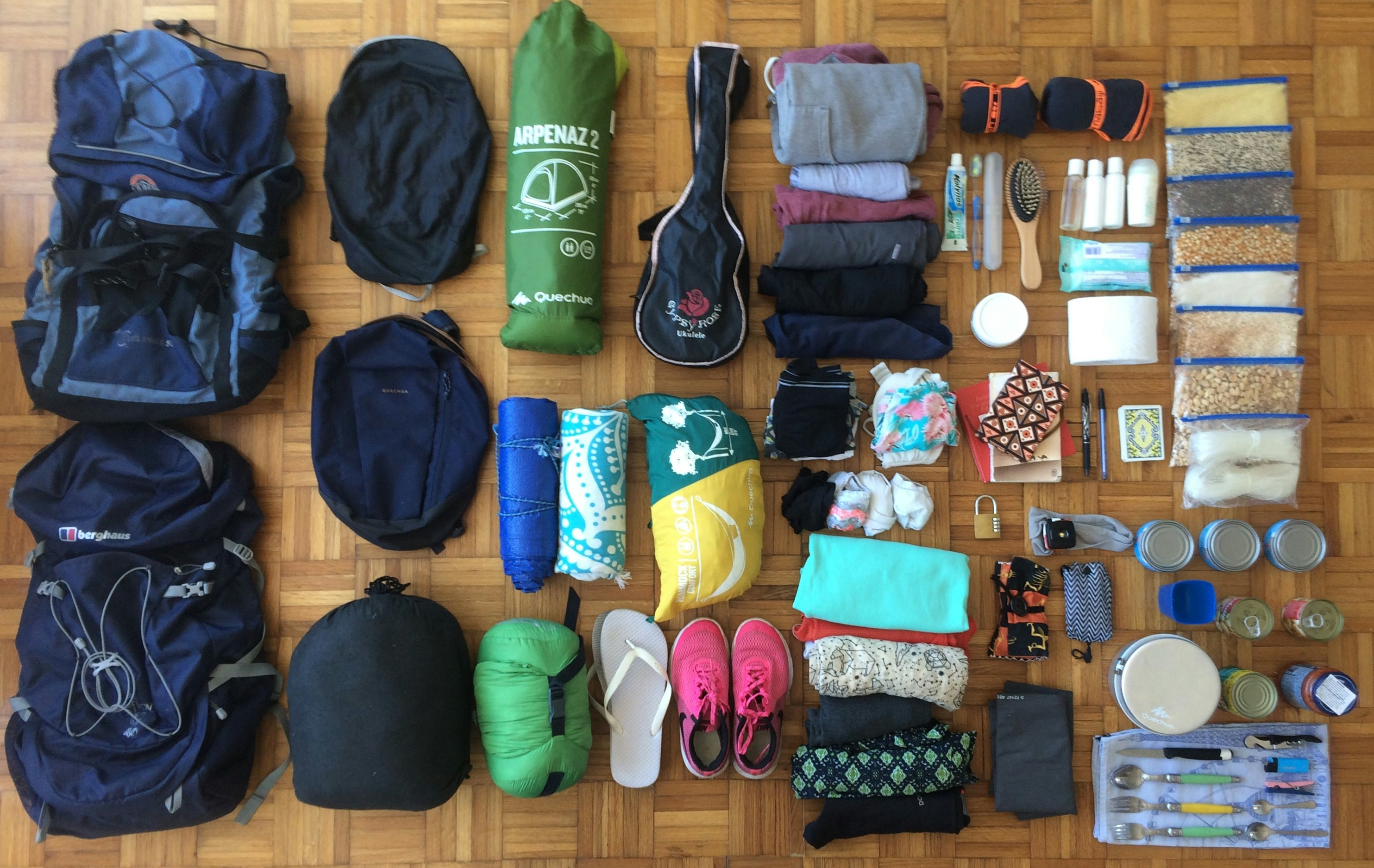
Introduction to Organized Camping Storage
Camping is an enjoyable and rewarding experience, but it is also crucial to have a well-structured system for organizing camping gear and supplies, especially in limited spaces such as recreational vehicles (RVs) or campsites. Efficient storage solutions can significantly enhance your outdoor adventures, allowing you to maximize the available area while ensuring that everything you need is easily accessible when you need it.
By implementing organized camping storage, you can experience a multitude of benefits. First and foremost, a systematic approach to storing gear ensures not only that you can find items quickly but also that you can keep track of what you have, thus avoiding unnecessary purchases of duplicate items. Furthermore, having a dedicated place for each piece of equipment or supply minimizes confusion and saves valuable time. This organization can lead to a more seamless setup upon arrival at your campsite, allowing you to focus on enjoying the great outdoors.
Additionally, organized camping storage promotes safety and convenience. Cluttered spaces can lead to accidents, such as tripping over gear or misplacing essential tools. A carefully planned storage system mitigates these hazards, contributing to a more pleasant camping atmosphere. Moreover, efficient use of small spaces means you can pack more gear with confidence, knowing that you won’t have to waste time searching for specific items amid disorganization.
Ultimately, investing time and resources in organized camping storage will elevate your overall camping experience. Whether you are a seasoned adventurer or a first-time camper, establishing a tidy and practical storage solution allows you to revel in your outdoor escapade without the stress of clutter, thereby enhancing your adventure.
Types of Camping Storage Gear
When embarking on a camping trip, maintaining organization can significantly enhance the experience. Different types of camping storage gear are designed to keep your belongings tidy and accessible. This section explores several practical options, each offering unique advantages suited for various camping scenarios.
Stackable bins are an excellent choice for maximizing vertical space, allowing campers to store multiple items without taking up excessive ground area. Their rigid structure provides protection for fragile items and makes it easier to sort belongings into categories, whether it be food supplies, cooking gear, or personal items. These bins often come with lids, preventing moisture and pests from infiltrating the contents.
Mesh organizers are particularly useful for keeping smaller items visible and within reach. Often designed to hang, these organizers can be installed in tents or on camping gear, providing easy access to essentials like utensils, toiletries, or electronics. The breathability of mesh fabric allows items to dry quickly if they happen to get wet, making them a reliable option in unpredictable weather conditions.
Folding crates serve multiple purposes, from transporting gear to acting as makeshift seats or tables when opened. Their foldable design makes them easy to store and carry, making them an ideal option for those with limited space in their vehicle. Furthermore, the sturdy nature of these crates ensures that heavier items can be stacked without compromising safety.
Hanging organizers provide a versatile solution for items that are typically cumbersome to store. These can be easily suspended from trees, tents, or RVs, turning otherwise vacant vertical space into functional storage. They are perfect for suspending cooking utensils, cleaning supplies, or even clothing items, keeping everything organized while allowing for ease of access.
Finally, labeled containers are indispensable for those who prefer a systematic approach to organization. Clearly labeled boxes aid in quickly identifying contents, eliminating the frustration of rummaging through various storage options. They are particularly effective when camping with a group, ensuring each person knows where their gear is stored.
Choosing the Right Storage Solutions for Your Space
When it comes to camping, efficient storage solutions play a crucial role, especially in compact environments such as RVs or tent campsites. To effectively assess your individual camping space, it is essential to consider several key factors, including the size constraints of your environment, the types of gear you will be storing, and your personal preferences for accessibility and organization.
Firstly, understanding the physical dimensions of your storage area is vital. Measure the available space in your RV or designated campsite to determine the maximum allowable dimensions for storage solutions. Consider vertical options such as shelving units or hanging organizers, which can optimize space efficiently. Custom storage solutions, such as built-in cabinetry or collapsible containers, may also help make the most of limited square footage.
Next, evaluate the specific gear you need to store. Camping can require various items ranging from cooking equipment, sleeping bags, tents, to personal effects. Group your equipment into categories and identify which items require the most accessible storage for quick retrieval. For instance, daily-use items such as utensils or first-aid kits should ideally be placed in easily reachable locations, while larger, less frequently accessed gear can be stored out of the way.
Additionally, your preferences for organization and accessibility will influence your choice of storage solutions. Some campers prefer clear containers to quickly visualize their gear, while others may opt for stackable bins to create a more organized look. It is essential to select storage solutions that not only fit your physical space but also align with your camping habits and lifestyle. By considering these factors, you can make informed decisions about which storage solutions will best suit your camping adventures.
Benefits of Stackable Bins and Folding Crates
When it comes to camping storage, utilizing stackable bins and folding crates can significantly enhance organization, particularly in small spaces. These storage solutions are designed to maximize vertical space, allowing campers to use their limited area more efficiently. Stackable bins provide sturdy compartments for gear, ensuring that everything has a designated place and can be easily accessed when needed. Additionally, their robust construction means they can withstand the rigors of outdoor activities without fear of breaking.
Folding crates are equally versatile and offer an effective way to keep your camping essentials neat. They can be collapsed when not in use, saving space in your vehicle or tent. This feature is particularly advantageous for campers who need to transport several items but want to avoid clutter. Furthermore, both stackable bins and folding crates are lightweight, making them convenient for transportation to and from your campsite.
When organizing gear, consider categorizing items within these storage solutions. For instance, stackable bins can be designated for cooking utensils and food, ensuring that all necessary cooking items are kept together. Another bin designated for tools can hold everything from a multi-tool to a first aid kit. Folding crates can serve as excellent carriers for bulky items such as sleeping bags or extra blankets. By compartmentalizing your gear into specific categories, you can easily locate what you need without rummaging through a disorganized mess. This not only saves time but also enhances the overall camping experience.
Utilizing Hanging Organizers: Maximizing Vertical Space
When camping in small spaces, efficient organization is key to a pleasant outdoor experience. Hanging organizers offer an effective solution to utilize vertical space, ensuring that your gear remains accessible and organized. By opting for hanging storage solutions, campers can free up valuable floor space, which is often limited in tents or small campers.
One of the primary advantages of hanging organizers is their versatility. These organizers can be installed in various locations, such as the interior walls of tents, the back of doors, or even on trees using strong, lightweight ropes. Consider using compact hooks or adhesive strips to hang organizers that can accommodate essentials such as cooking utensils, toiletries, and even clothing. This allows immediate access to important items while keeping them protected from dirt and moisture.
Additionally, the type of items stored in these hanging organizers should enhance efficiency and accessibility. For example, reserve pockets for frequently used items like flashlights, first aid kits, and cooking supplies. Consider using clear, mesh fabric organizers, as they allow visibility of contents while promoting airflow. Furthermore, utilize categorized compartments to streamline packing and unpacking processes.
It is crucial to ensure that hanging organizers are installed securely to withstand outdoor conditions and prevent items from falling. Opt for durable materials that can handle the rigors of camping. A well-placed hanging organizer not only keeps items off the ground but also reduces clutter, making it easier to maintain an organized space even in challenging environments.
By employing hanging organizers, campers can significantly optimize their limited space. This simple yet effective strategy transforms how you utilize your surroundings, providing a practical approach to maintaining order in your camping setup.
Crafting a Clean Campsite Storage Setup
Creating an organized and aesthetically pleasing campsite can enhance the camping experience significantly. A clean and efficient gear station not only contributes to a pleasant visual environment but also ensures that essentials are easily accessible. To establish an effective storage setup, it is crucial to categorize camping supplies into distinct groups such as food, cooking tools, and personal items.
Begin by evaluating all the gear that you will bring along and divide it based on its use. For instance, all food-related items, including perishable goods, cooking utensils, and storage containers, should be stored in one dedicated area. Utilizing clear containers or color-coded bins can help provide visibility and easy access to items, making food preparation while camping far more straightforward.
Next, consider organizing cooking tools separately from food supplies. Group pots and pans, additional utensils, and cooking accessories in one container or at the same designated spot. This separation minimizes the time spent searching for items when preparing meals, which is critical for maintaining a smooth campsite atmosphere.
Lastly, personal items such as clothing, toiletries, and first-aid supplies should have their separate storage solution. Use waterproof bags or bins to protect these essentials from moisture and keep them clutter-free. By establishing designated zones for each category, campers can maintain a clean campsite that remains organized even as gear is used regularly.
In summary, by categorizing camping gear into food, cooking tools, and personal items and utilizing appropriate storage solutions, campers can create a cohesive and efficient setup at their site. A thoughtfully organized storage area not only enhances functionality but also cultivates an inviting, clean atmosphere that contributes to an enjoyable outdoor experience.
How to Label and Categorize Your Gear
Camping, whether a weekend getaway or a long adventure, necessitates efficient storage solutions to maximize the limited space available. One critical aspect of effective camping storage is the labeling and categorization of your gear. By systematically organizing your items, you can optimize both space and accessibility, ultimately leading to a more enjoyable outdoor experience.
Labeling storage containers plays a vital role in ensuring that gear is readily accessible when needed. It is recommended to clearly mark each container based on its contents. For instance, using labels such as “Cooking Gear,” “First Aid Supplies,” or “Clothing” helps in quickly identifying what is inside. Furthermore, consider employing color codes for additional visual cues. For example, blue labels can denote cooking supplies, while red can depict emergency gear. This method not only makes it easy to retrieve items but also assists in quickly assessing overall gear inventory before embarking on a trip.
Moreover, categorizing your gear based on different aspects—such as function, frequency of use, or size—can significantly enhance the efficiency of your storage system. Divide your items into groups: essential daily gear versus optional items can prevent unnecessary clutter. Storing less frequently used items at the back and the more accessible items at the front ensures that your most critical gear is readily available when setting up camp.
In essence, the importance of labeling and categorizing your camping gear cannot be underestimated. A well-organized storage system means faster set-up times and less frustration while searching in a hurry. Properly arranged and labeled gear allows for a seamless transition from packing to enjoying your camping experience, making any outdoor adventure more pleasurable and stress-free.
Maintenance Tips for Camping Storage Gear
Proper maintenance of camping storage gear is essential for ensuring longevity and usability. Frequent organization check-ins should be a priority for campers. Regularly assessing the condition and organization of storage items can prevent clutter accumulation, ensuring that all items are in their designated places. This not only makes packing easier but also allows campers to identify any missing or damaged gear that may need replacement.
Establishing a cleaning routine is equally important. Depending on the nature of your camping gear, a simple wipe-down may be sufficient or, in some cases, a thorough clean may be necessary. For instance, storage containers should be cleaned post-trip to remove any dirt or moisture that could lead to mold growth. Use mild soap and water for cleaning soft-sided storage bags, while hard containers can often handle disinfectants. Drying these items thoroughly before storing them away will also help to maintain their integrity over time.
Additionally, considering seasonal storage solutions can greatly enhance the longevity of your camping gear. During the off-season, it’s wise to store storage solutions in a cool, dry place away from direct sunlight. This minimizes exposure to elements that can cause deterioration. Investing in vacuum-sealed bags for textiles can also help reduce space and keep items like sleeping bags and clothes fresh. Ensure that all camping storage solutions are well-labeled and easy to access, making it straightforward to locate gear when the next adventure arises.
In conclusion, maintaining your camping storage gear through frequent organization check-ins, a thorough cleaning routine, and effective seasonal storage solutions not only prolongs the life of your items but also enhances your overall camping experience. By taking these proactive steps, you can ensure readiness for any outdoor adventure that awaits.
Conclusion: Enjoying Your Organized Camping Experience
As we have explored throughout this guide, the importance of efficient camping storage gear cannot be overstated. An organized setup not only streamlines the packing and unpacking process but also enhances the overall outdoor experience. Utilizing the right storage solutions allows campers to maximize their limited space, ensuring that every item has its place, which significantly reduces stress and confusion while enjoying nature.
By implementing clever storage methods and integrating practical gear, campers can fully enjoy their adventures without the burden of clutter in their confined spaces. The selection of storage containers, bags, and systems discussed earlier in this blog contributes to a more harmonious camping environment. Not only does this improve accessibility to essential items, but it also encourages a more enjoyable camping experience overall.
It is crucial to remember that well-organized camping gear is a reflection of thorough preparation and thoughtful planning. When every piece of equipment has its designated spot, you can readily immerse yourself in the beauty of the outdoors, making memorable moments without the distraction of disarray. Therefore, take the insights and recommendations from this guide to heart and start crafting a tailored organization strategy that meets your specific needs as a camper.
As you plan your next camping trip, envision how an organized approach can transform your experience. Embrace the adventure of camping equipped with the most effective storage solutions, allowing you to focus on enjoying nature while having peace of mind that everything is in its rightful place. Your next camping journey awaits, and with the proper preparation, it promises to be both fun and memorable.