Understanding the Rainy Season
The rainy season, characterized by increased precipitation, is a phenomenon that occurs in various regions around the world, each exhibiting unique weather patterns and implications. In tropical regions, the rainy season often correlates with high humidity, thunderstorms, and persistent rainfall, while in temperate zones, this season may manifest as sporadic showers interspersed with drier days. Understanding these variances is crucial for travelers planning their journeys during this time.
Regions around the globe experience the rainy season differently based on their climatic conditions. For instance, Southeast Asia generally has its rainy season from May to October, featuring heavy monsoon rains that can lead to flooding. In contrast, parts of Central America may see a shorter, more intense rainy season, typically lasting from May to November. Travelers should be aware of local forecasts and historical weather patterns to prepare adequately for their trips.
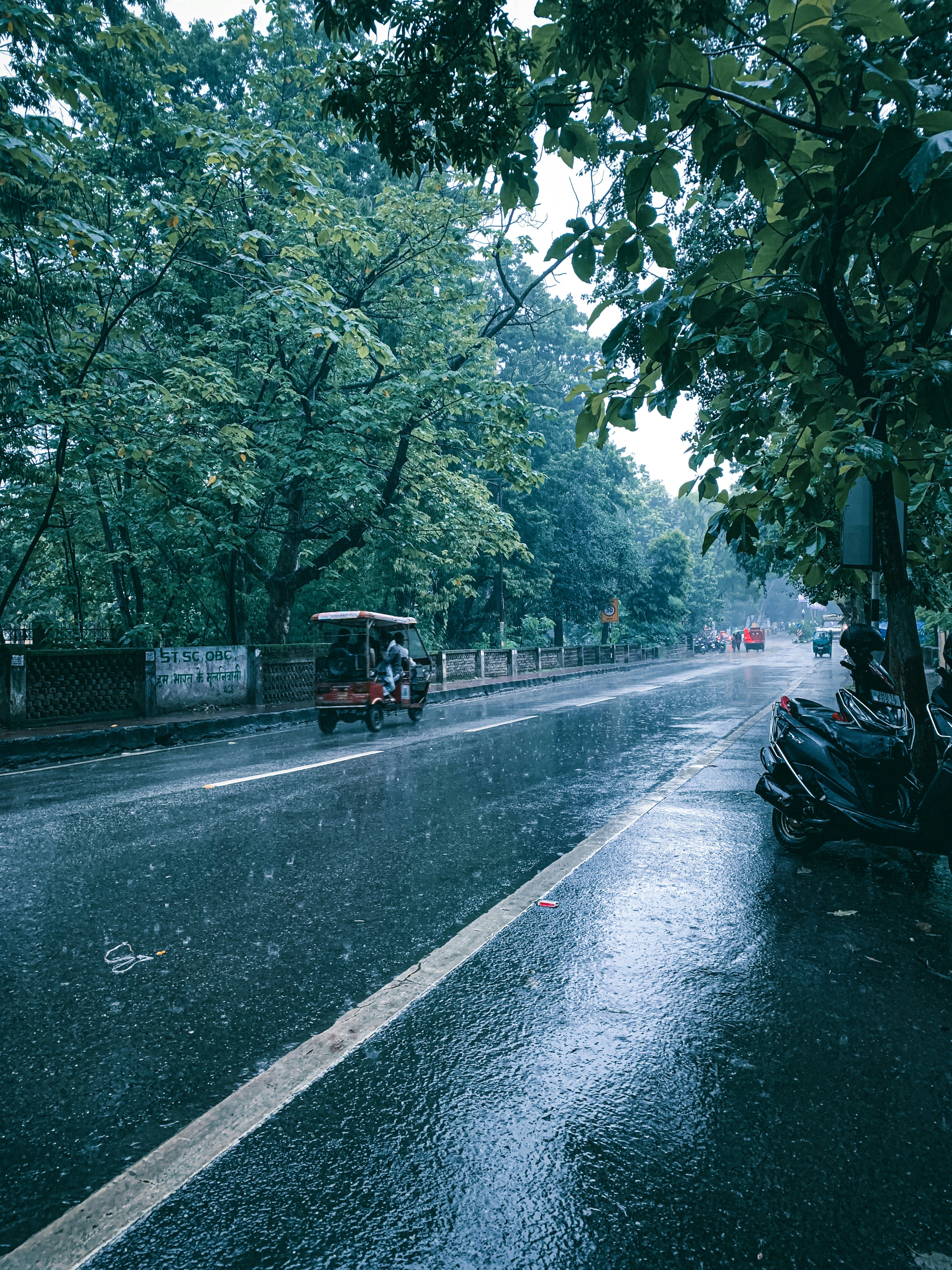
The rainy season significantly impacts road conditions, which can pose challenges for motorists. Heavy rainfall can create difficult driving situations due to reduced visibility, slick roads, and the potential for landslides in mountainous areas. Flooding can obstruct routes and increase travel times substantially. Thus, understanding the rainy season’s effects on infrastructure is essential for maintaining safety while on the road. It’s advisable for travelers to choose their travel routes wisely, factoring in potential hazards caused by the weather. Being informed about local conditions and traffic advisories can enhance the travel experience and promote safer journey planning during this season.
Planning Your Trip: Tips and Considerations
Embarking on a road trip during the rainy season requires thorough planning and preparation to ensure a safe and enjoyable experience. Firstly, route planning is essential. Utilize navigation tools that provide real-time updates on weather conditions and possible route changes. It is crucial to avoid areas that are prone to flooding and select alternative routes if heavy rain is forecasted. Checking the road conditions ahead of your journey can save you time and potential hazards, allowing for smoother travel.
Tracking weather forecasts closely is advisable when planning your trip. Modern weather applications can provide alerts and forecasts that help you schedule your travel times effectively. Aim to travel during drier periods of the day when the rain is expected to be lighter, making driving conditions safer. Having a flexible schedule can also be beneficial, allowing you to adjust your plans based on the most up-to-date weather information.
In addition to route and weather planning, choosing suitable destinations is pivotal when traveling during the rainy season. Opt for locations that offer indoor activities, such as museums, galleries, and local attractions that can be enjoyed despite wet weather. Furthermore, some areas may have beautiful scenery that looks stunning in the rain, thus providing unique photography opportunities and experiences that are exclusive to the season.
Lastly, ensure that your vehicle is equipped with necessary supplies such as windshield wipers in good condition, adequate tires with proper tread depth, and emergency kits. Being prepared will not only allow for a more enjoyable journey but also keep you safe and secure throughout your travels during the rainy season.
Vehicle Safety Preparations for Rainy Road Trips
Embarking on a road trip during the rainy season necessitates thorough vehicle preparations to ensure safety and functionality. One of the first components to assess is the tire condition, particularly the tread depth. Adequate tread is essential for maintaining traction on wet roads, reducing the risk of hydroplaning. It is recommended that tires be checked for wear and replaced if the tread depth falls below the legal limit or exhibits uneven wear patterns.
Another critical area of focus is the brake system. The rainy season can exacerbate existing braking issues, making it vital to ensure that brake pads and rotors are in optimal shape. Drivers should also consider performing a brake fluid check, as damp conditions can reduce efficiency. If any inconsistencies are detected, having a professional mechanic inspect the braking system can prevent complications during the journey.
Equally important is the functionality of windshield wipers. Visibility can be severely impaired during heavy rains, making well-functioning wipers essential. Drivers should test their windshield wipers well before their trip, replacing any blades that show signs of damage or failure. Additionally, ensuring that the windshield washer fluid reservoir is full can help maintain visibility during unexpected downpours.
Lastly, checking the headlights and taillights is crucial for rain-related road safety. Properly functioning lights are vital for visibility on cloudy days and during adverse weather conditions. It is advisable to test both the low and high beam functions to confirm their effectiveness. Ensuring that all exterior lights are operational helps both the driver and other road users maintain awareness and can significantly reduce the risk of accidents.
Packing Smart for the Rainy Season
Planning a road trip during the rainy season necessitates careful consideration of what to pack. Ensuring that you have the right clothing, gear, and tools can significantly enhance your comfort and safety. First and foremost, pack waterproof clothing, including a durable rain jacket and quick-drying pants. Opt for materials such as Gore-Tex or other breathable waterproof fabric to keep you dry while allowing moisture from your body to escape. It is advisable to include additional layers, such as thermal shirts, to maintain warmth in cooler temperatures often experienced during rainy weather.
In addition to clothing, a pair of waterproof footwear is essential. Look for boots or shoes designed specifically for wet conditions to avoid discomfort from soaked socks and potential blisters. Don’t forget to bring along extra socks, as having dry feet while traveling can make a significant difference during a long journey.
For gear, consider packing a waterproof backpack or bag to protect your electronics and other essentials from water damage. Moreover, items like travel umbrellas and reusable ponchos can be beneficial, providing easy and convenient options to stay dry when stepping out of the vehicle. Tools such as a flashlight can be valuable, particularly when visibility drops or if you find yourself in dark conditions. Furthermore, a first aid kit should be included in your packing list to handle any minor injuries that may occur unexpectedly.
Lastly, it’s prudent to include emergency supplies such as a basic tool kit, non-perishable snacks, and extra water. These items ensure that you are prepared for unforeseen circumstances, such as vehicle breakdowns or road closures due to flooding. Packing smartly for your rainy season road trip not only ensures that you remain comfortable but also enhances your overall travel experience.
Driving Techniques for Rainy Conditions
Driving during rainy conditions presents unique challenges that require careful consideration and adaptation of typical driving habits. To ensure a safer journey, it is imperative to adjust your speed, as wet surfaces can significantly reduce traction. Reducing your speed appropriately allows for better vehicle control and enhances reaction time in case of sudden stops or turns. This is particularly crucial when navigating through puddles or areas prone to aquaplaning, where tires can lose contact with the road.
Maintaining a greater distance from other vehicles is another essential driving technique in rainy weather. The stopping distance increases on wet roads due to decreased tire grip. A good rule of thumb is to extend the following distance to at least four seconds, allowing ample time to react to sudden movements of the vehicle ahead. This not only safeguards your vehicle but also reduces the chances of rear-end collisions, which tend to spike during adverse weather conditions.
Proper use of headlights is a vital aspect of rainy driving practices. Visibility can drastically decline in heavy rain, and utilizing headlights ensures that both you and other drivers can see each other more clearly. It is generally advisable to turn on your low-beam headlights during rain to cut through any haze. In particularly heavy downpours, fog lights may also enhance visibility; however, high beams should be avoided, as they can create glare reflecting off the rain.
In instances of severe weather, knowing when to pull over is a critical driving technique. If rain obscures your vision to the point where you find it challenging to see the road, it is prudent to find a safe spot to park and wait until conditions improve. Seek shelter from heavy winds and flooding, particularly in areas that are known for flash flooding. This approach not only prioritizes your safety but also the safety of other road users. Building these safe driving techniques into your travel habits can lead to a more secure and flexible experience during the rainy season.
Fun Activities to Enjoy While Traveling in the Rain
Rainy weather does not have to put a damper on your travels; instead, it can open the door to unique experiences and activities. One of the most rewarding ways to spend a rainy day is by exploring local indoor attractions. Museums, galleries, and cultural centers often have special exhibitions and programs that can enhance your understanding of the area you are visiting. Taking the time to delve into local history or art can provide a fascinating perspective that you might miss during sunnier days.
Another engaging option is to seek out cozy cafes or tea houses where you can relax and watch the rain while sipping on warm beverages. These establishments frequently feature local flavors, allowing you to experience regional specialties. Additionally, many cafes have free Wi-Fi, which provides an excellent opportunity to catch up on travel planning or share your experiences with friends and family back home.
Bookstores, both large and small, can also serve as a refuge from inclement weather. Browsing through rows of books can be a delightful way to pass the time, and you might even discover some intriguing reads that relate to your travels. Participating in author readings or book signings can add another layer of enrichment to your visit.
For those seeking adventure despite the gloom, consider scenic viewpoints that look different in the rain. A drizzle can enhance the landscape’s vibrancy, creating a unique atmosphere that starkly contrasts with sunny weather. Photographers often find rainy conditions ideal for capturing stunning images, as the moisture can create dramatic skies and enhance reflections. This perspective allows for a deeper appreciation of the natural beauty surrounding you.
The Best Rainy Season Destinations
The rainy season often poses challenges for travelers; however, it can also unveil stunning experiences in various locations. Numerous destinations are known for their allure during rainfall, making them perfect choices for adventurous souls looking to explore new terrains while savoring the unique beauty of the season.
One such destination is the Amazon Rainforest in Brazil. The rainforest thrives during the wet season, showcasing its vibrant flora and fauna. Visitors can embark on guided tours to observe the diverse wildlife, including playful monkeys and colorful birds. The rains enhance the lush greenery, transforming the environment into an enchanting oasis, which is particularly appealing to nature enthusiasts and photographers.
Another exceptional choice is Kyoto, Japan. The city is renowned for its historical temples and gardens, which take on a magical quality when raindrops fall upon them. The cherry blossoms may have faded, but the hydrangeas bloom magnificently, painting the landscapes in blues and purples. The rain creates a serene atmosphere perfect for leisurely strolls through the Arashiyama Bamboo Grove, where the soft sounds of rain resonate through the towering stalks.
For those seeking a beach experience, the East Coast of Australia remains inviting, even during the rainy spell. Coastal towns such as Byron Bay and Noosa Springs offer splendid indoor activities including wellness retreats and cozy cafes, alongside enticing outdoor adventures like surf lessons. Despite the showers, the region’s stunning beaches are often less crowded, allowing for a more peaceful experience.
In summary, whether it’s an expedition through a rainforest, a cultural exploration in historic cities, or a tranquil break by the beach, there are numerous destinations perfect for a rainy season road trip. Embracing the beauty of these locations can lead to unforgettable memories and adventures that rain does not hinder but rather enriches.
Navigating Road Hazards During Rain
Driving during the rainy season can present unique challenges that every traveler should be prepared to face. One of the most pressing road hazards is flooding. Heavy downpours can lead to rapid water accumulation on roadways, making it essential for drivers to be vigilant. Before embarking on any road trip, it is advisable to check weather forecasts and local alerts for areas prone to flooding.
When encountering flooded roads, it is vital to exercise caution. If water levels seem significant, do not attempt to drive through; instead, seek alternative routes. Generally speaking, six inches of water can cause loss of control, while two feet can float away most vehicles. Always err on the side of safety and avoid flooded areas whenever possible.
Another significant hazard during rainy conditions is hydroplaning. This occurs when a vehicle’s tires lose traction by riding on a film of water. To mitigate the risk of hydroplaning, drivers should reduce their speed and ensure that their tires are properly inflated and in good condition. It is also advisable to refrain from sudden maneuvers that could lead to loss of control. If hydroplaning occurs, remain calm, avoid slamming on the brakes, and steer gently in the direction you wish to go until traction is regained.
Reduced visibility is another concern when driving in the rain. Heavy rain can limit a driver’s ability to see the road clearly and judge distances accurately. To enhance visibility, use headlights, even during the day, and ensure that windshield wipers function correctly. Additionally, maintaining a safe following distance is crucial as stopping distances increase on wet roads.
By being aware of these road hazards and taking precautionary measures, travelers can navigate the challenges of driving during the rainy season more safely.
Staying Flexible: Embracing the Journey
Embracing flexibility during a rainy season road trip is essential for enhancing the overall travel experience. The unpredictable nature of weather can lead to unanticipated changes in plans, which, rather than becoming a hindrance, can offer unique opportunities for exploration and enjoyment. While a sunny forecast may seem ideal for road warriors, rainy conditions can reveal hidden gems in the journey that one may have otherwise overlooked.
For instance, sudden rain might prompt a scenic detour through a charming village or a stop at a cozy café, providing an enriching experience. By maintaining a flexible attitude, travelers can seize these spontaneous moments that contribute to memorable adventures. One could approach each day with an open mindset, allowing the shifting weather patterns to guide the itinerary.
Moreover, being willing to adapt travel plans in light of weather changes can enhance safety. Driving in inclement weather may pose risks, prompting the need for adjustments to travel timelines or routes. Travelers should consider implementing a buffer time into their schedules, allowing for unexpected delays due to weather. Whether this means arriving later than planned or taking a longer scenic route, such measure will lead to a safer and often more scenic journey.
Flexibility also extends to accommodations and activities. Rainy days might call for indoor explorations, such as visiting museums, galleries, or local shops, which can be delightful. Taking the time to research and remain open to indoor attractions can enrich the traveling experience. Ultimately, by embracing uncertainty and the unexpected, road trippers during the rainy season can convert what might initially appear as inconveniences into delightful experiences, allowing them to truly savor the journey ahead.