Introduction to Camping in the Mountains
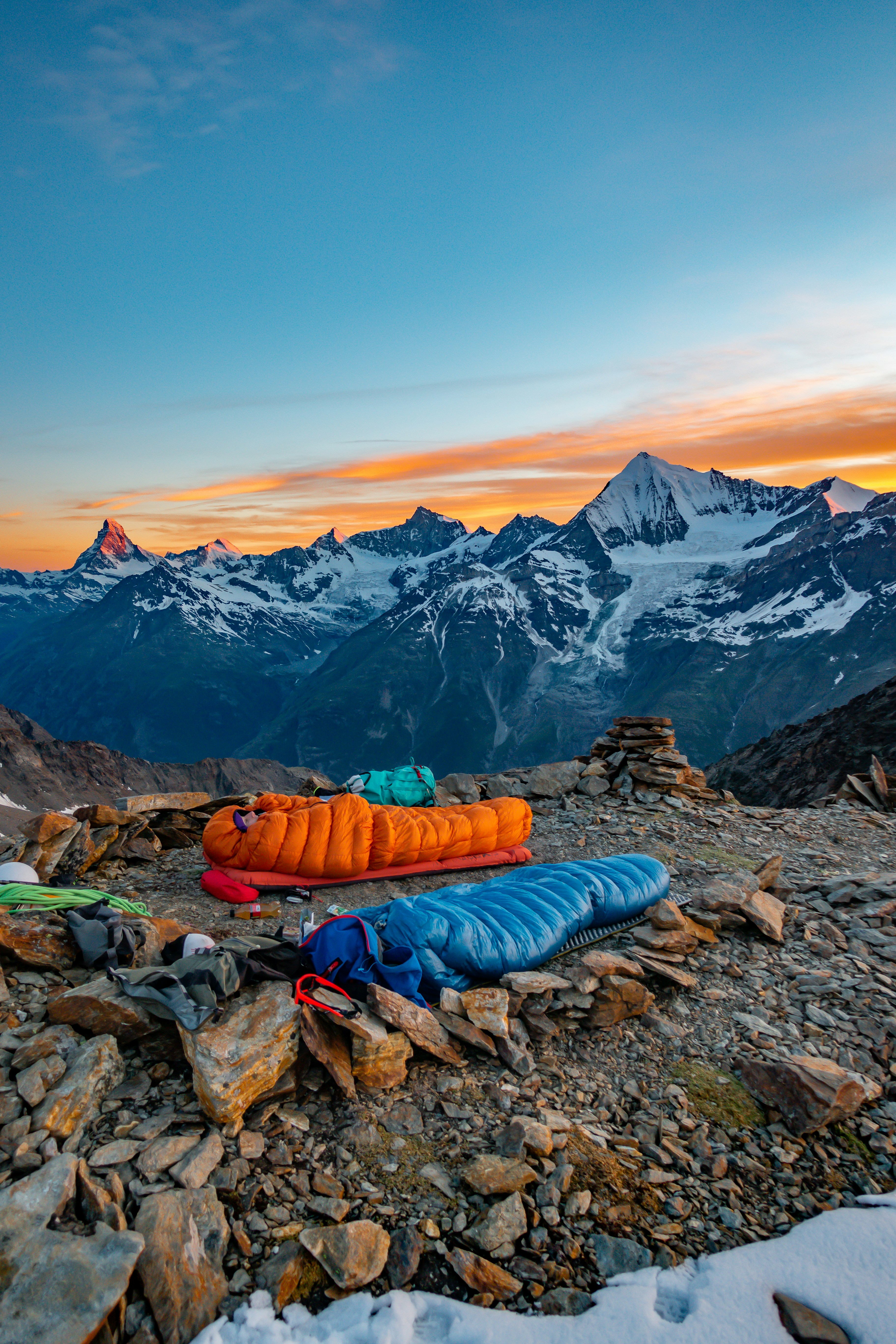
Camping in the mountains offers a unique experience that combines the thrill of outdoor adventure with the soothing tranquility of nature. This kind of camping appeals to many due to its breathtaking scenery, expansive vistas, and the opportunity to escape the daily grind. However, it also presents specific challenges and considerations that require careful planning and adequate equipment.
The mountainous terrain can be both beautiful and formidable. Climbs can be steep, trails can be rugged, and the weather can change rapidly. Furthermore, temperatures in higher altitudes tend to be significantly lower than in valleys, emphasizing the need for specialized camping gear that can withstand colder nights. Proper preparation is vital not only for comfort but also for safety. This is especially true in areas where temperatures can drop suddenly, even in warmer months.
Choosing the right camping gear is paramount when venturing into mountainous regions. Essential items may include high-quality sleeping bags rated for lower temperatures, tents designed to withstand wind and precipitation, and clothing made from moisture-wicking materials. It is also advisable to bring along a portable stove and adequate food supplies, as well as navigation tools like maps and compasses to ensure that exploration remains enjoyable and safe.
Engaging with nature in these elevated locations can be deeply rewarding. The peace of the mountains fosters contemplation, while the fresh air invigorates the spirit. Properly equipped, campers can enjoy the beauty and serenity that mountain camping offers without compromising safety or comfort. Understanding the unique aspects of camping in such environments is crucial for an enriching outdoor experience.
Essential Clothing for Cold Weather Camping
When embarking on mountain trips, particularly during the colder months, it is vital to dress appropriately for the variable weather conditions. The concept of layering is fundamental to effective cold weather camping, as it provides flexibility to adapt to changing temperatures and activity levels.
The first layer, known as the base layer, should be made from moisture-wicking materials such as merino wool or synthetic fabrics. This layer acts as a barrier between your skin and the elements, effectively transporting sweat away from your body to keep you dry. It is critical to avoid cotton, as it retains moisture and can lead to chills in colder conditions.
Additionally, the middle layer serves as insulation. Fleece or down materials are common choices, as they help trap warmth while remaining lightweight. This layer’s thickness can vary depending on expected temperatures, allowing you to customize your insulation to your comfort needs.
The outer layer is designed as a protective shell, safeguarding against wind, rain, and snow. Look for jackets and pants made with waterproof and breathable materials, which will help maintain body heat while preventing moisture intrusion. Features such as adjustable hoods, cuffs, and hem closures are also beneficial in optimizing warmth and water resistance.
Furthermore, do not overlook the importance of accessories; these can significantly impact your comfort during cold weather camping. A warm hat effectively prevents heat loss from your head, while gloves preserve warmth in your hands – essential for maintaining dexterity while handling gear. Thermal socks are equally important, as they keep your feet dry and warm, reducing the risk of frostbite.
Ultimately, the right clothing choices can make a significant difference in your comfort and safety levels when camping in colder conditions. By adopting a layering strategy and selecting suitable materials, outdoor enthusiasts can effectively enjoy their mountain adventures, regardless of the chill.
Choosing the Right Tent for Mountain Conditions
Selecting an appropriate tent for mountain camping, particularly in colder conditions, demands careful consideration of various factors. Mountain terrains present unique challenges, and thus, the chosen tent should exemplify qualities such as weather resistance, insulation, and durability against harsh elements like wind and snow.
When evaluating different types of tents, look for options that are specifically designed for extreme weather. Four-season tents, for instance, offer robust structures that can withstand heavy snow loads and strong winds. These tents typically feature a lower profile, reducing wind resistance, and are constructed with durable fabrics and strong poles. Conversely, three-season tents may suffice for mildly cold conditions, but may not adequately protect against severe mountain weather.
Material selection is crucial when choosing a tent for colder nights. Opt for tents made from ripstop nylon or polyester, as these materials are both lightweight and durable. A tent equipped with a waterproof rainfly is essential for keeping moisture at bay, while a durable floor material prevents water from seeping in from below. Additionally, consider tents with a thermal tent feature or built-in insulation to enhance warmth and comfort during frigid nights.
Another important aspect to consider is the tent’s size and weight. For mountain trips, prioritize lightweight options that are easily manageable during hikes. A tent designed for two to three people is typically an ideal choice for solo adventurers or small groups, striking a balance between space and portability. Also, ensure the tent is user-friendly in terms of setup; a quick and uncomplicated assembly process can be a significant advantage when battling inclement weather.
In conclusion, selecting the right tent for mountain conditions involves understanding your specific needs and the capabilities of different tent types. By assessing features such as material, design, and ease of setup, you can make an informed choice that will enhance your camping experience in the mountains.
Sleeping Gear: Sleeping Bags and Pads
When embarking on colder mountain trips, selecting suitable sleeping gear is paramount for warmth and comfort. The main components of this gear include sleeping bags and sleeping pads. A sleeping bag’s temperature rating is crucial; it indicates the lowest temperature at which the bag will keep you warm. It is advisable to choose a sleeping bag rated lower than the anticipated lowest temperature of your trip to ensure adequate insulation against the cold.
Insulation type is another critical consideration. There are generally two types of insulation used in sleeping bags: down and synthetic. Down insulation is lightweight and compressible, making it ideal for backpacking, while synthetic insulation retains its insulating properties even when wet, making it a better option in damp conditions. Understanding these differences will aid in selecting the best sleeping bag suited to your specific needs during mountain trips.
Equally important is the sleeping pad, which serves a dual purpose: providing cushioning from the hard ground and acting as insulation to prevent heat loss. It is essential to invest in a quality sleeping pad with a high R-value, as this rating indicates better insulation against cold surfaces. Closed-cell foam or inflatable pads are popular choices, each offering unique advantages based on personal preferences and the type of terrain encountered.
When packing your sleeping gear, consider rolling the sleeping bag with the air squeezed out to optimize space. Store your sleeping bag loosely in a mesh bag when not in use to maintain its loft and prolong its lifespan. Regular maintenance, such as checking for damages and cleaning according to the manufacturer’s instructions, will ensure your sleeping gear remains effective trip after trip.
Cooking Gear for Colder Nights
When embarking on a mountain camping trip, especially during colder nights, having the right cooking gear is crucial for both comfort and safety. A portable stove is an essential item that allows campers to prepare hot meals relatively quickly and efficiently. Lightweight options, such as butane or propane stoves, are ideal for this purpose, as they provide reliable heat in cold conditions. It is advisable to carry an extra fuel canister to ensure that cooking is uninterrupted even in colder temperatures, as fuel consumption can increase under these conditions.
In addition to a portable stove, the cookware selected for mountain camping should be durable and capable of withstanding low temperatures. Items made from materials like stainless steel or aluminum are recommended, as they conduct heat well and do not warp in cold conditions. A heavy-duty pot, a frying pan, and nesting cookware can significantly reduce packing space while providing versatility for different cooking methods.
Meal planning is another essential aspect that should not be overlooked. Focusing on high-calorie meals that are easy to prepare can ensure that energy levels remain stable during outdoor activities. Consider options such as instant oatmeal for breakfast, rice with beans for lunch, and hearty soups or stews for dinner, all of which are satisfying and warming. Including protein-packed snacks, such as nuts and energy bars, can also help to maintain warmth and vitality on colder nights.
Overall, investing in quality cooking gear and planning nutritious, warming meals are vital components of a successful mountain camping experience. With the right preparation, campers can enjoy delicious meals that nourish both body and spirit, even in the coldest environments.
Hydration Solutions in Mountain Environments
Staying hydrated while camping in mountainous regions is an essential aspect of maintaining overall health and ensuring a positive outdoor experience. It is critical to remember that even in colder weather, the body loses fluids through various means, such as breathing and physical activity. Hence, campers should always have effective hydration solutions on hand, tailored to the challenges presented by mountain environments.
One popular method for carrying water is using insulated water bottles. These bottles keep liquids hot or cold for extended periods, making them versatile for both warm and cool climates. Campers should opt for lightweight and durable materials to facilitate ease of transport. Stainless steel or BPA-free plastic options are both effective, adding to their portability.
An alternative to water bottles is the hydration reservoir, which consists of a flexible water pouch equipped with a tube for drinking. These systems are particularly advantageous during longer hikes, as they allow for hands-free hydration without having to stop and fumble with a bottle. When selecting a hydration reservoir, ensure that the material can withstand low temperatures, as freezing can damage the pouch and render it unusable.
Equally important is the consideration of water purification methods. In mountain environments, access to clean water can be unreliable, making it essential to have strategies for purifying drinking water from natural sources. Options include water filters, purification tablets, and UV light purifiers. Each method has its advantages and considerations, particularly regarding portability and effectiveness in colder temperatures.
Incorporating appropriate hydration solutions into a camping kit not only promotes well-being but also enhances the overall experience in the mountains. Being prepared and staying properly hydrated can mitigate risks associated with dehydration, allowing campers to fully enjoy their surroundings regardless of the conditions.
Safety Gear and Emergency Supplies
When venturing into the mountains for camping, prioritizing safety gear and emergency supplies is essential. These items play a crucial role in ensuring that campers are prepared for any unforeseen circumstances that may arise in remote locations. A well-stocked first aid kit is fundamental and should include essential items such as band-aids, antiseptics, gauze, and any personal medications. Knowing how to use these items effectively can make a significant difference in case of injury.
A multi-tool is another invaluable piece of safety gear that can serve numerous purposes, from preparing meals to making quick repairs. Its versatility ensures that campers are equipped to handle various situations without the need to carry multiple separate tools. Alongside this, a reliable source of navigation aids, such as a compass and a topographic map, is crucial when exploring mountain terrain. Modern gadgets like GPS devices or smartphone applications are beneficial, but it is advisable to carry traditional navigation tools as backups since electronic devices can fail or lose battery life.
Furthermore, signaling devices, such as whistles or reflective mirrors, can be lifesavers in emergencies, allowing campers to attract attention if they become lost or injured. Being situated in a remote area means that waiting for help may take time; therefore, equipping oneself with the right emergency supplies is critical. It is also prudent for campers to plan ahead by familiarizing themselves with the terrain and informing someone of their travel itinerary. Proper planning enhances safety and can provide peace of mind during your mountain getaway.
Tips for Staying Warm and Comfortable at Night
When embarking on camping trips in the mountains, especially during colder seasons, staying warm and comfortable at night is paramount. Here are some practical tips that will help ensure a cozy sleeping environment even in lower temperatures.
First, consider investing in a high-quality sleeping bag rated for colder weather. A sleeping bag with a lower temperature rating will help retain body heat. When selecting your sleeping bag, opt for one with insulation, such as down or synthetic materials, which can provide excellent thermal efficiency. Additionally, using a sleeping bag liner can add an extra layer of warmth and enhance comfort while sleeping.
Managing moisture is equally crucial for maintaining warmth. Avoid wearing damp clothing or socks to bed, as this can draw heat away from your body and lead to chilly nights. Instead, change into dry layers before settling down. Insulated sleeping pads also play a critical role; they prevent heat loss to the ground. Choose one with a high R-value, which indicates better insulation from cold surfaces.
Creating a cozy sleeping environment starts with your camp setup. Pitch your tent in a sheltered location, ideally near natural windbreaks such as trees or rocks. This method can help reduce cold wind exposure through the night. Additionally, using ground coverings like foam pads can further reduce heat loss.
Evening activities can play a vital role in keeping warm before heading to bed. Engage in light physical exercises, such as stretching or a brief hike within safe limits, to generate body heat. Concisely, gathering around a campfire with fellow campers can not only create warmth but also foster camaraderie before a restful night.
Conclusion and Final Thoughts on Mountain Camping Gear
In summary, preparing for mountain camping trips requires a thorough understanding of the essential gear needed for colder nights and unpredictable weather conditions. It is vital to invest in quality equipment, such as a reliable tent, sleeping system, and suitable clothing to ensure comfort and safety while navigating the rugged terrain. Packing multi-functional items can also enhance your outdoor experience while minimizing the weight of your gear, which is crucial for long hikes.
Additionally, a well-thought-out first aid kit, cooking supplies, and navigation tools cannot be overlooked. These components play a significant role in your well-being and overall adventure. Not only do they provide comfort and nourishment, but they also prepare you for unforeseen circumstances that may arise during your trek. Staying warm and protected from the elements should always be a top priority, as the mountains can present harsh conditions that can quickly turn dangerous.
Mountain camping not only offers the thrill of exploration but also the opportunity to connect with nature in a profound way. With that in mind, it is essential to approach your outdoor endeavors with preparation and mindfulness. Equip yourself with the right tools, familiarize yourself with the terrain, and respect the environment, and you will be well on your way to a rewarding and unforgettable experience. By prioritizing essential mountain camping gear, you can embrace the beauty of the wilderness while ensuring your safety and enjoyment on chilly nights under the stars.